

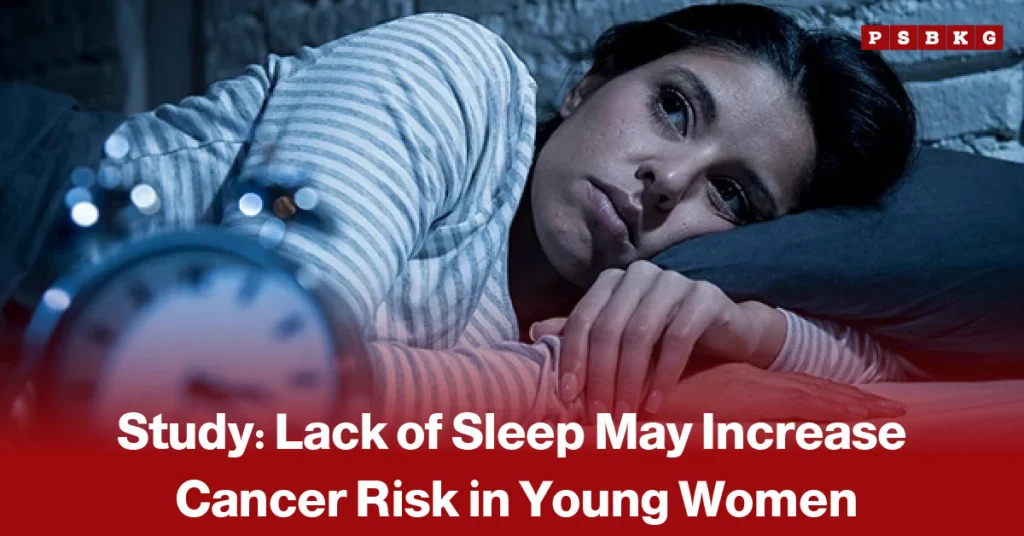
Latest News: A new study on Sleep Deprivation Cancer Risk has suggested that insufficient sleep may be linked to a higher risk of developing certain cancers in young women. Researchers say that poor sleep patterns could disrupt key biological processes in the body, potentially increasing long-term health risks if the condition persists over time.
Researchers Explore Sleep and Cancer Connection
How Sleep Affects the Body
Sleep plays a critical role in restoring energy, repairing cells, and regulating hormones. When sleep is insufficient, the body may struggle to maintain these essential functions, leading to inflammation and weakened immune defense. Researchers believe these disruptions could, over time, create conditions that increase vulnerability to serious illnesses.
Focus on Young Women in the Study
The study specifically focused on young women due to hormonal fluctuations and lifestyle factors that may influence sleep quality. Experts noted that irregular sleep patterns are increasingly common among younger populations due to stress, screen time, and demanding schedules. This makes sleep health an important area of concern for long-term wellbeing.
Immune System and Cell Repair Impact
One of the key findings suggests that lack of sleep may weaken the immune system’s ability to detect and repair damaged cells. This process is essential in preventing abnormal cell growth that can lead to cancer development. Researchers emphasized that maintaining regular sleep cycles supports the body’s natural defense mechanisms.
Lifestyle Factors Contributing to Poor Sleep
Experts point to several reasons behind sleep deprivation, including excessive use of mobile devices, late-night work routines, stress, and irregular daily schedules. These habits are becoming more common, especially among younger individuals. Improving sleep hygiene is seen as a crucial step in reducing potential health risks.
Importance of Healthy Sleep Habits
Health professionals recommend 7 to 9 hours of quality sleep per night for adults. Maintaining a consistent sleep schedule, reducing screen exposure before bedtime, and managing stress can all help improve sleep quality. These changes may support overall health and reduce long-term risks.
Need for Further Research
Scientists stress that more long-term studies are needed to fully understand the relationship between sleep deprivation and cancer risk. While early findings are concerning, they are not enough to establish a direct cause-and-effect relationship. Future research will help clarify how sleep impacts disease development.
Conclusion
The study highlights a possible link between lack of sleep and increased cancer risk in young women, emphasizing the importance of healthy sleep habits. While more research is needed, experts agree that maintaining proper sleep is essential for overall health and disease prevention.