

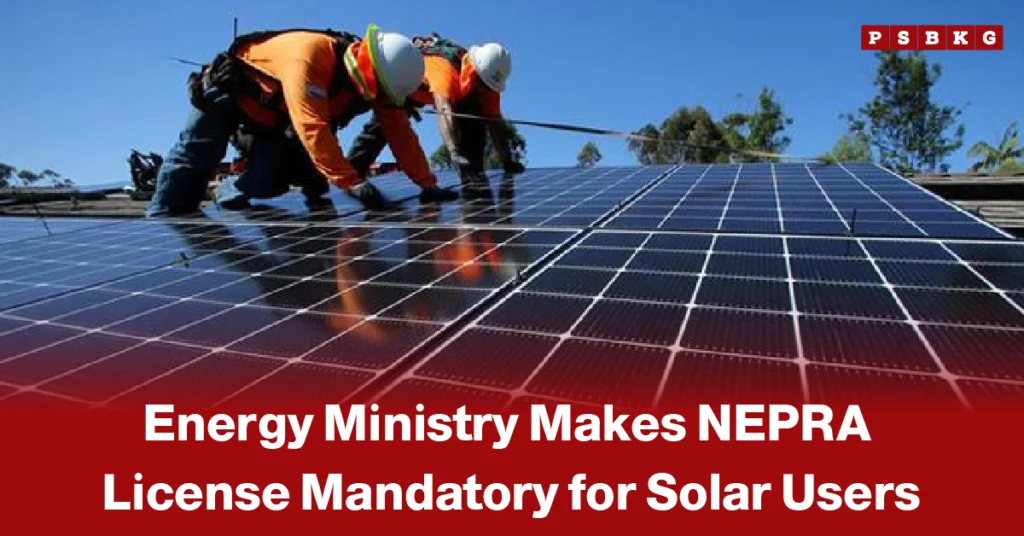
Latest News: Pakistan’s energy sector is once again in the spotlight after reports emerged that NEPRA license solar Pakistan has become mandatory for solar users. The move, linked to new amendments in solar regulations, has sparked confusion and debate across the country. Many people are still trying to understand what exactly has changed.
What the New Rule Says
According to recent reports, all consumers installing solar systems will now need a formal license to generate electricity. This requirement applies to both residential and commercial users. Earlier, smaller systems had fewer regulatory hurdles. Now, the framework appears more structured and centralized.
Fee Structure Raises Questions
One of the biggest changes is the introduction of a fee based on system capacity. Users may have to pay around Rs1,000 per kilowatt when applying for a license. Previously, systems up to 25kW were often exempt from such charges. This shift could increase the initial cost of going solar.
Shift Toward Net Billing
The updated policy also reflects a transition from traditional net metering to a net billing system. Under this approach, excess electricity supplied to the grid is compensated differently. Experts say this could affect the overall return on investment for solar users.
Not All Reports Agree
Interestingly, the situation is not entirely clear. The Power Division has denied claims that the government directly imposed a new blanket licensing requirement. Officials clarified that licensing already falls under NEPRA’s regulatory framework and is not a new directive from the federal government.
What About Existing Users
There is some relief for current solar users. Existing net metering agreements are expected to remain protected under earlier rules. This means people who already have approved systems may not face immediate changes, at least until their contracts expire.
Impact on Solar Adoption
The policy shift could slow down the rapid growth of solar installations in Pakistan. Higher upfront costs and stricter regulations may discourage some new users. At the same time, authorities argue that better regulation is needed as solar adoption continues to rise.
Why the Government Is Doing This
Officials say the goal is to bring more oversight and standardization to the energy sector. With thousands of new solar users joining every year, managing grid stability has become more complex. Licensing may help authorities track and regulate distributed electricity generation more effectively.
Mixed Public Reaction
Public response has been divided. Some see the move as necessary for long-term planning, while others believe it could discourage clean energy adoption. On social media, many users have raised concerns about increasing costs and policy uncertainty.
What Happens Next
For now, clarity is still evolving. More official guidelines and explanations are expected in the coming days. Until then, potential solar users are advised to stay updated before making any major investment decisions.