

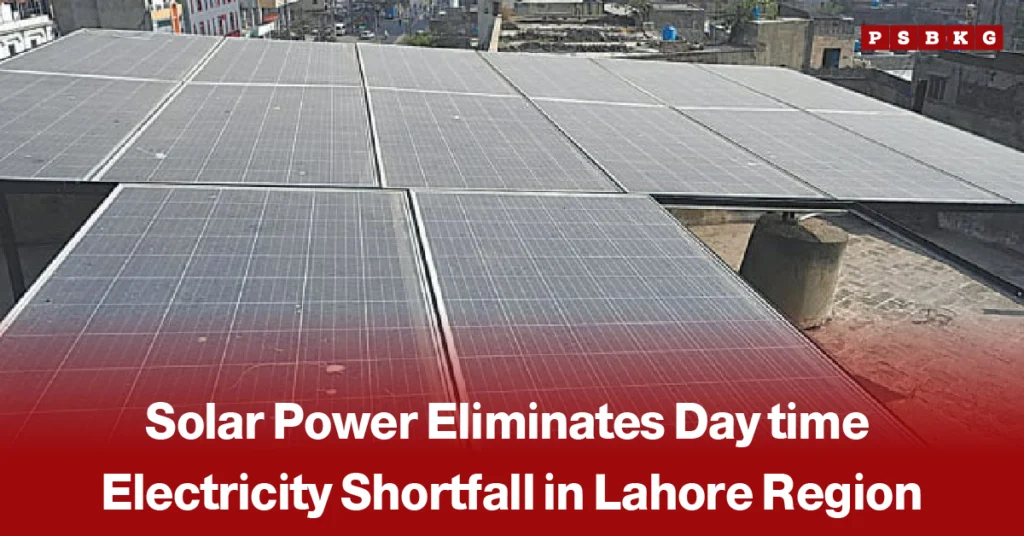
Latest News: A noticeable shift is taking place in the Lahore region as solar energy begins to reduce the daytime electricity shortfall. For years, power cuts during peak daylight hours were a common complaint. Now, things seem to be changing, slowly but clearly. The growing use of solar energy is playing a key role in this improvement.
How the Shortfall Was Reduced
Officials say the increase in solar installations, both at household and commercial levels, has helped balance demand during the day. When sunlight is strongest, solar panels generate the most electricity. This directly reduces pressure on the national grid. As a result, fewer power shortages are being reported during daylight hours.
Rise in Solar Adoption
Over the past few years, more people in Lahore have shifted toward solar systems. Rising electricity bills and unreliable supply pushed consumers to look for alternatives. Solar energy offered a long-term solution, even if the initial cost was high. Now, that investment is beginning to show results.
Relief for Consumers
For households and businesses, this change is significant. Daytime outages used to disrupt work, studies, and daily routines. With improved supply, many people are experiencing more stability. It also reduces reliance on generators, which are both costly and noisy.
Impact on the National Grid
The reduced load during the day allows the grid to operate more efficiently. Power distribution companies can better manage supply without constant overload. This shift also highlights how decentralized energy solutions can support the overall system.
Challenges Still Remain
Despite this progress, challenges have not disappeared. Night-time electricity demand still relies heavily on traditional power sources. Solar energy alone cannot fully replace the grid. Storage solutions like batteries are still expensive and not widely adopted.
A Sign of Energy Transition
Experts see this development as a sign of Pakistan’s gradual move toward renewable energy. Solar power is becoming a practical choice rather than a luxury. It reflects changing consumer behavior and growing awareness about energy efficiency.
Government and Policy Role
Government policies encouraging net metering and solar adoption have also contributed to this shift. Incentives and easier installation processes have made it more accessible. Continued support will be important for sustaining this trend.
What Lies Ahead
The coming years will determine how far this transition can go. If adoption continues, solar energy could play an even bigger role in reducing power shortages. For now, the daytime relief in Lahore offers a glimpse of what is possible.