

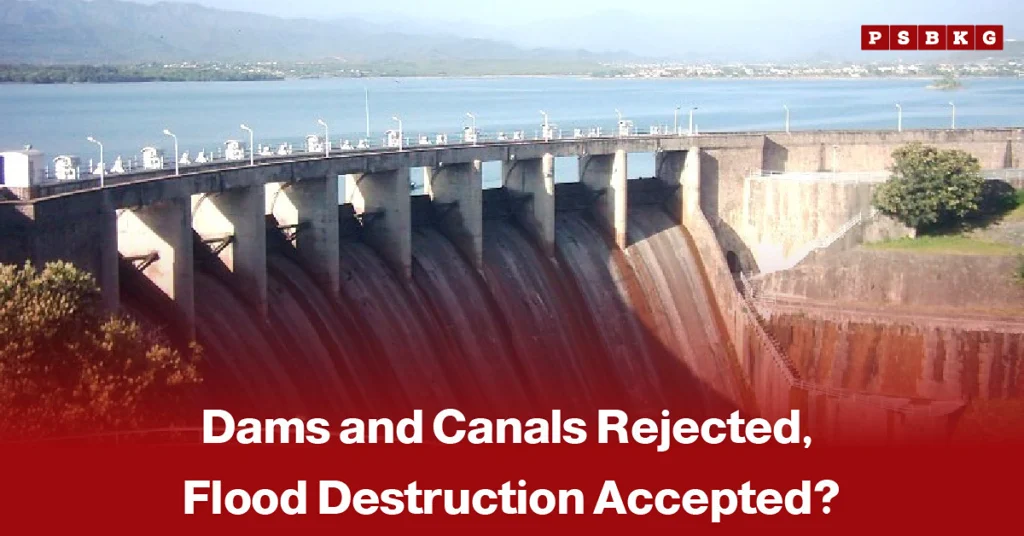
A Question Raised by Pakistan’s Flood Crisis
As Pakistan continues to face devastating floods, a difficult question is being raised: if dams, canals, and other water infrastructure projects are repeatedly rejected or delayed, how will the country protect lives, farmland, and cities from future flood disasters? Flooding is a recurring challenge for Pakistan, particularly during intense monsoon seasons. Recent disasters have once again exposed weaknesses in drainage systems, flood channels, and other infrastructure.
Flood Protection Needs Long-Term Planning
Dams and reservoirs can play an important role in water storage and, in some situations, help reduce flood peaks. However, experts and officials also recognize that dams alone cannot prevent every type of flooding. Pakistan’s Senate Standing Committee on Water Resources was recently informed that existing dams could mitigate only a limited portion of flood flows, making early warning systems, drainage, embankments, and broader flood management equally important.
Canals and Drainage Infrastructure Also Matter
Canals are mainly designed for irrigation, but properly planned water infrastructure can also help manage excess water during emergencies. A recent Punjab Irrigation Department report linked severe flooding in parts of the Lahore and Gujranwala divisions to factors including blocked culverts, poorly planned infrastructure, and drainage systems being overwhelmed by exceptional rainfall. This shows that rejecting infrastructure without developing effective alternatives can leave vulnerable communities exposed.
Punjab Moves Towards New Water Projects
The Punjab government has announced plans for new water infrastructure, including small dams, canal rehabilitation, and flood protection schemes. The provincial government approved plans for 17 mini dams and said these projects would help reduce flood losses. The 2026–27 budget also includes major allocations for irrigation infrastructure, reservoirs, flood protection, and canal rehabilitation.
Infrastructure Alone Is Not the Answer
At the same time, Pakistan’s flood problem cannot be solved simply by building more dams and canals. Heavy rainfall can overwhelm drainage networks, while flash floods and urban flooding require different solutions. Experts and government institutions have stressed the importance of flood forecasting, early-warning systems, protecting natural waterways, and preventing construction in river passages.
The Cost of Doing Nothing
The real debate should not simply be whether Pakistan needs dams or canals. The more important question is whether the country can afford to delay long-term water and flood management projects. When floodwaters destroy homes, crops, roads, and businesses, the cost is ultimately paid by ordinary citizens. Pakistan has already spent billions on relief, rehabilitation, and compensation after recent flood disasters.
A Balanced Approach Is Needed
Pakistan needs a combination of solutions, including:
New reservoirs where technically and environmentally suitable
Rehabilitation of canals and drainage systems
Stronger flood protection embankments
Protection of natural waterways and floodplains
Better weather forecasting and early-warning systems
Modern river monitoring technology
Strict action against illegal construction in flood zones
The Punjab government has already moved towards clearing flood zones and restricting construction in river passages and waterways, recognizing that infrastructure planning and land management must work together.
Rejecting Solutions Has Consequences
Every major flood brings the same debate back into focus. Development projects may face political, environmental, or technical objections, and such concerns should be properly examined. However, rejecting every major infrastructure proposal without offering practical alternatives does not remove the threat of floods. The real challenge for Pakistan is to develop scientifically sound, environmentally responsible, and long-term solutions before the next disaster arrives.
The Question Remains
If dams and canals are rejected, what is the alternative plan to protect people from repeated flood destruction? Pakistan cannot prevent rainfall, but better planning, infrastructure, drainage, monitoring, and disaster preparedness can reduce the damage caused when extreme weather strikes. The choice should not be between development and environmental protection. Pakistan needs both.