

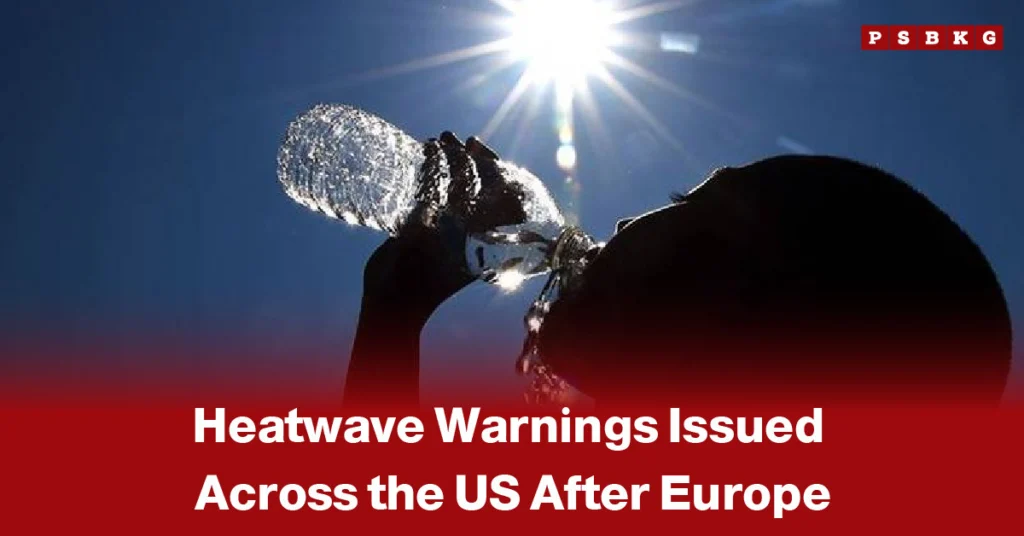
After days of record-breaking heat across several European countries, weather authorities in the United States have now issued widespread heatwave warnings as temperatures continue to rise. Millions of Americans are expected to experience unusually hot weather, prompting officials to urge residents to take precautions against heat-related illnesses. The warnings come as many parts of the Northern Hemisphere face another intense summer, with climate experts pointing to increasingly frequent and prolonged periods of extreme heat. Authorities are closely monitoring weather conditions and advising people to stay informed as temperatures continue to climb.
Heat Spreads Across the United States
Several regions of the United States are expected to experience dangerously high temperatures over the coming days. Weather agencies have warned that daytime temperatures, combined with high humidity in some areas, could increase the risk of heat exhaustion and heatstroke. Officials have advised residents to avoid prolonged outdoor activities during the hottest hours of the day and to remain hydrated, particularly children, older adults, and people with existing health conditions.
Europe Faces Another Extreme Summer
The US warnings follow an intense heatwave that has affected several European countries in recent days. High temperatures have disrupted daily life, increased the risk of wildfires, and placed additional pressure on healthcare services and electricity networks. In some areas, authorities opened cooling centers and issued emergency health alerts as residents struggled to cope with prolonged periods of extreme heat.
Health Experts Urge Extra Caution
Medical professionals say heatwaves can quickly become dangerous if proper precautions are not taken. Prolonged exposure to high temperatures may lead to dehydration, heat exhaustion, and, in severe cases, heatstroke, which requires immediate medical attention. Experts recommend drinking plenty of water, wearing lightweight clothing, staying in shaded or air-conditioned places, and checking regularly on older family members and neighbors.
Climate Change Raises Concerns
Scientists have repeatedly warned that climate change is making heatwaves more frequent, more intense, and longer lasting. Rising global temperatures are increasing the likelihood of extreme weather events across many parts of the world. While researchers cannot always link individual weather events directly to climate change, they say the overall trend of rising temperatures is becoming increasingly clear with each passing year.
Authorities Prepare for Rising Temperatures
Emergency services and local governments across affected areas have begun implementing response plans to reduce the impact of the heat. Public health agencies are sharing safety advice, while utility providers are preparing for increased electricity demand as more people rely on cooling systems. Officials are also encouraging communities to look out for vulnerable individuals who may need assistance during periods of extreme heat.
Staying Safe During a Heatwave
Simple precautions can make a significant difference during extremely hot weather. Health experts advise limiting outdoor activities during peak afternoon hours, drinking water regularly even when not thirsty, and never leaving children or pets inside parked vehicles. Health officials encourage anyone who experiences dizziness, confusion, a rapid heartbeat, or fainting to seek medical attention immediately, as these symptoms may indicate a serious heat-related illness.
Conclusion
As Europe recovers from an intense spell of extreme temperatures, heatwave warnings have now spread across large parts of the United States. With millions expected to face dangerously hot conditions, authorities are urging people to stay alert and follow safety guidance. The latest weather alerts serve as another reminder of the growing challenges posed by extreme heat and the importance of preparing for increasingly frequent heatwaves.