

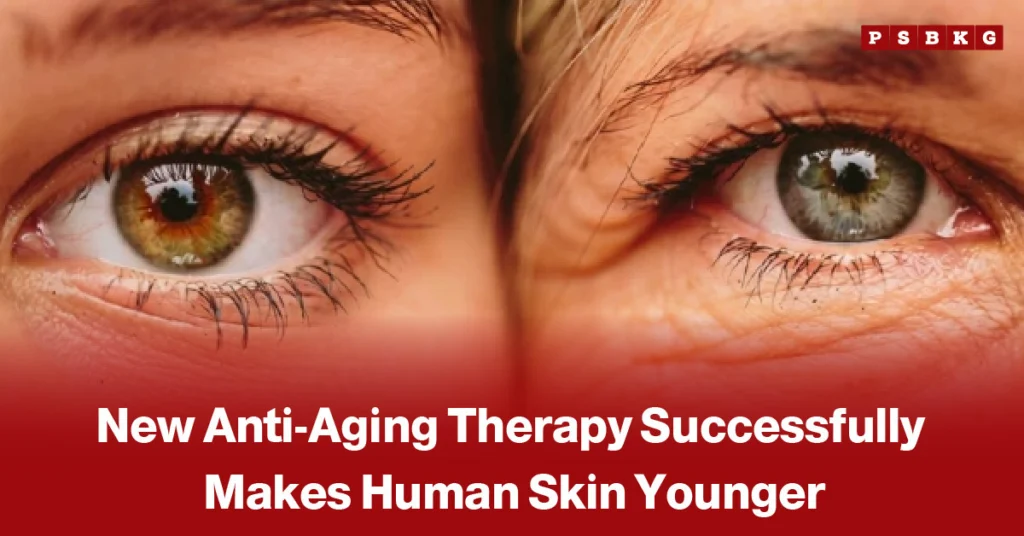
Latest News: Scientists have reported early success in a new anti-aging therapy that may help reverse visible signs of skin aging by making human skin appear younger at a cellular level. The findings have sparked global interest in dermatology and regenerative medicine, as researchers continue exploring ways to slow or potentially reverse age-related changes in the skin.
Breakthrough in Skin Regeneration Research
The study suggests that the therapy works by targeting aging cells and encouraging the regeneration of healthier skin tissue. Researchers observed improvements in skin elasticity, texture, and overall appearance during early trials. While still in experimental stages, the results are being described as a promising step forward in anti-aging science.
How the Therapy Works
According to researchers, the treatment focuses on reactivating certain biological pathways linked to cell repair and regeneration. By stimulating these processes, the therapy may help restore skin function similar to that seen in younger individuals. Experts believe this approach could be more effective than traditional cosmetic treatments that only address surface-level signs of aging.
Early Trial Results Show Improvement
Initial testing showed measurable improvements in skin hydration, firmness, and wrinkle reduction. Participants in early-stage studies reportedly experienced noticeable changes after undergoing treatment over a controlled period. However, scientists emphasize that larger clinical trials are needed to confirm long-term safety and effectiveness.
Growing Interest in Anti-Aging Science
The global demand for anti-aging treatments continues to rise, driven by advancements in biotechnology and cosmetic medicine. Researchers are increasingly focusing on therapies that go beyond cosmetic enhancement and target the biological causes of aging. This new development adds to a growing list of experimental treatments aimed at extending healthy skin function.
Experts Urge Caution Despite Promising Results
Medical professionals have advised caution, noting that many anti-aging therapies show promising early results but require extensive testing before approval for public use. They stress that safety, side effects, and long-term outcomes must be carefully evaluated before the treatment becomes widely available.
Potential Future Applications
If proven successful, the therapy could be used in dermatology clinics to treat age-related skin conditions, sun damage, and other cosmetic concerns. It may also open the door to further research into reversing aging at a cellular level in other parts of the body. Scientists believe this could represent a major shift in regenerative medicine.
Ethical and Scientific Questions Remain
As with many breakthroughs in anti-aging research, the study raises ethical and scientific questions about how far such technologies should go. Researchers are discussing the implications of extending youthfulness and the potential social impact of advanced longevity treatments.