
Researchers Look at a Different Approach
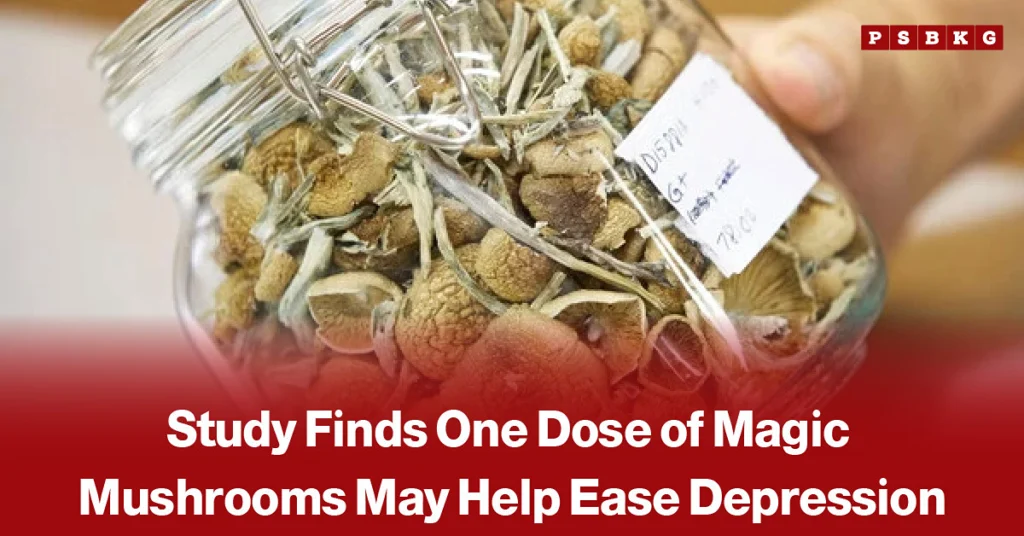
A new study has drawn attention to the potential use of psilocybin, the psychedelic compound found in certain “magic mushrooms”, as a possible treatment for depression. Researchers found that a single dose was linked with improvements in depressive symptoms in some participants. The findings are interesting, but they do not mean that magic mushrooms should be used as a home treatment. Psilocybin remains a powerful substance, and researchers are still trying to understand its benefits, risks, and long term effects.
What the Study Found
The research focused on people experiencing depression and examined how symptoms changed after receiving psilocybin in a controlled setting. Some participants reported noticeable improvements after just one treatment. Researchers say the results add to growing evidence that psychedelic assisted therapy could have a role in mental health treatment, particularly for people who have not responded well to conventional approaches.
Why One Dose Matters
Traditional antidepressants often need to be taken regularly over an extended period before their full effects become clear. The possibility that one carefully administered dose of psilocybin could produce longer lasting changes is therefore attracting scientific interest. Still, the response was not identical for everyone. Some participants benefited more than others, which means further research is needed before the treatment can be considered suitable for wider use.
The Brain May Work Differently
Scientists believe psilocybin may affect brain networks involved in mood, perception, and emotional processing. Once converted in the body, the compound interacts with serotonin receptors, potentially changing the way different areas of the brain communicate. Researchers are particularly interested in whether these changes could help people break out of persistent patterns of negative thinking associated with depression.
Therapy Is Part of the Process
One important point is that clinical studies do not simply involve giving someone psilocybin and sending them home. Treatment is usually carried out in a carefully controlled environment, with trained professionals monitoring the participant. Psychological preparation and support are also important parts of psychedelic assisted treatment. The setting can influence how a person experiences the drug and how they process the experience afterward.
It Is Not Risk Free
Psilocybin can cause intense changes in perception, mood, and thinking. Some people may experience anxiety, confusion, fear, or other unpleasant effects, particularly without proper supervision. For people with certain psychiatric or medical conditions, psychedelic substances may carry additional risks. This is why researchers stress the importance of medical screening and professional supervision in clinical settings.
More Research Is Needed
Although the latest findings are encouraging, researchers are still studying how long the benefits last and which patients are most likely to respond. Larger studies will be needed to confirm the results and establish safe treatment guidelines. The research also needs to determine how psilocybin compares with existing depression treatments and whether combining it with structured therapy provides the greatest benefit.
A Potential New Direction
The growing interest in psilocybin reflects a wider change in how scientists are exploring treatments for depression. A single dose producing meaningful improvement would be a significant development if future research confirms the findings. For now, however, psilocybin remains an experimental treatment in many places. The study offers a reason for further research, not a reason for people to self medicate with magic mushrooms.