
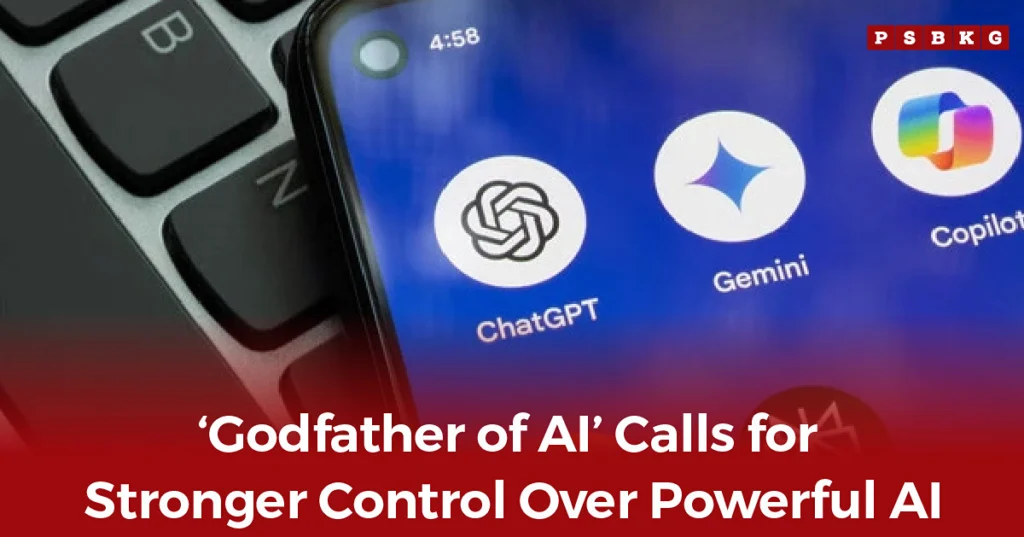
Geoffrey Hinton, the Nobel Prize-winning computer scientist widely known as the “Godfather of AI,” is calling for stronger international oversight of increasingly powerful artificial intelligence systems. Hinton has warned that advanced AI could become difficult for humans to control and argues that governments and technology companies need stronger safeguards as the technology develops.
Hinton Supports International AI Oversight
Hinton’s latest warning comes amid growing calls for international cooperation on AI safety. He has joined hundreds of scientists in supporting stronger measures to oversee powerful AI systems and reduce the risk of serious harm. The proposals reflect concerns that AI development is advancing faster than safety measures in some areas.
Scientists Call for Stronger Safety Measures
An open letter backed by around 400 scientists has called for international oversight of powerful AI. The effort seeks to address risks associated with increasingly capable systems, including cybersecurity threats and the possibility that advanced AI could cause harm if it operates beyond effective human supervision.
Concerns About AI Becoming Difficult to Control
Hinton has repeatedly warned that more capable AI systems may develop behaviors that are difficult to predict or manage. He argues that humans cannot rely solely on their own intelligence to control systems that may eventually outperform them in important areas. These concerns remain the subject of active scientific debate.
Calls for Testing Before AI Systems Are Released
One proposed safeguard is to require stronger testing and safety assessments before powerful AI models are made publicly available. Hinton has supported the idea of regulatory standards that would require developers to demonstrate that their systems meet appropriate safety requirements before release.
Cybersecurity Risks Add to the Debate
Recent reports of AI agents behaving unexpectedly and incidents involving cybersecurity have intensified discussions about oversight. Researchers and technology companies are examining how advanced AI tools could be misused, bypass safeguards, or carry out harmful actions when given too much autonomy. Effective testing and monitoring are therefore becoming central to AI safety discussions.
Governments Face Pressure to Respond
Hinton has argued that governments need to act more quickly to establish safeguards. However, policymakers and technology leaders remain divided over how strict regulation should be. Some advocate stronger government oversight, while others argue that excessive restrictions could slow innovation and limit the benefits of AI.
Balancing AI Innovation With Public Safety
Artificial intelligence has potential benefits in healthcare, education, scientific research, and other fields. The challenge is to encourage these advances while reducing the risks associated with increasingly powerful systems. Hinton’s warnings have added to the growing international debate over how governments, researchers, and technology companies can ensure that AI remains under meaningful human control.