
IMF Calls for Targeted Fuel Subsidies
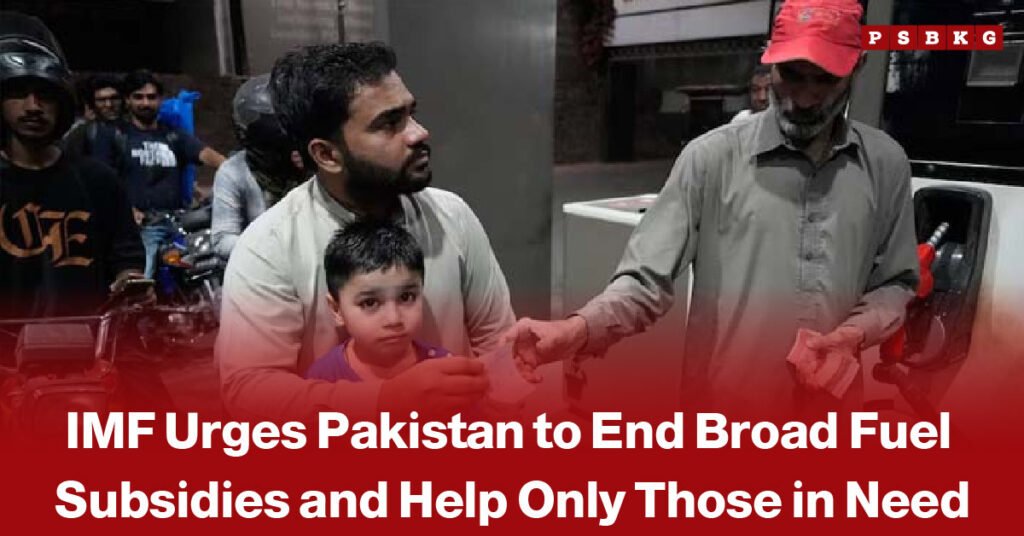
The International Monetary Fund (IMF) has urged Pakistan to move away from broad fuel subsidies and focus financial assistance on people who need it most. The recommendation is aimed at improving public spending while ensuring that limited government resources reach low-income households. The proposal comes amid continued economic challenges, including inflation, fiscal pressures, and fluctuations in international oil prices. Any changes to the existing subsidy framework could have implications for transport costs, household budgets, and businesses across the country.
Focus on Low-Income Households
Under the IMF’s recommended approach, financial support would be directed towards vulnerable groups rather than provided broadly to all fuel consumers. Targeted assistance could help lower-income families manage essential expenses without requiring the government to subsidize fuel consumption across the entire population. However, the effectiveness of such a system would depend on identifying eligible beneficiaries accurately and ensuring that support reaches them on time.
Why Broad Fuel Subsidies Are a Concern
Broad fuel subsidies can place considerable pressure on government finances, particularly when international petroleum prices rise. Such subsidies may also benefit higher-income households that consume more fuel, rather than directing the largest share of assistance towards people facing financial hardship. The IMF generally encourages governments to manage subsidy spending carefully and use public funds in ways that provide more focused support to vulnerable citizens.
Potential Impact on Petrol and Diesel Prices
Changes to fuel subsidies could affect petrol and diesel prices if the government reduces existing support for consumers. Higher fuel costs can increase transport fares and raise the cost of moving food, agricultural products, and other essential goods. The overall impact would depend on the government’s decisions, international oil prices, exchange rates, and the design of any replacement assistance program.
Pakistan Faces Fiscal Challenges
Pakistan has been working to strengthen public finances, improve revenue collection, and manage its economic obligations under the IMF-supported program. Fuel pricing and subsidies remain important policy issues because they can influence government expenditure and inflation. Policymakers must also consider the financial pressure that higher energy and transportation costs can place on households and businesses.
Targeted Relief Could Support Vulnerable Families
A targeted subsidy system could provide financial assistance through existing social protection programs or other mechanisms designed to identify eligible households. For such a program to work effectively, authorities would need transparent eligibility rules, reliable beneficiary records, and safeguards against misuse. The government would also need to communicate clearly how people could qualify for support and receive payments.
Government Decisions Remain Important
The IMF’s recommendation does not automatically mean that all fuel subsidies will be removed immediately. Any changes would depend on the government’s policy decisions, budgetary priorities, and commitments under its economic program. Further official announcements would be needed to establish whether Pakistan plans to revise fuel prices or introduce a new system of targeted relief.
What This Means for Consumers
For Pakistani consumers, the key issue is how any subsidy reform would affect everyday expenses. Lower-income households could benefit if targeted assistance adequately offsets higher fuel and transport costs, while other consumers might face greater exposure to market-based prices. The final outcome will depend on the details of the government’s policy and how effectively financial support is delivered to those who need it most.