

A New Defense Partnership Takes Shape
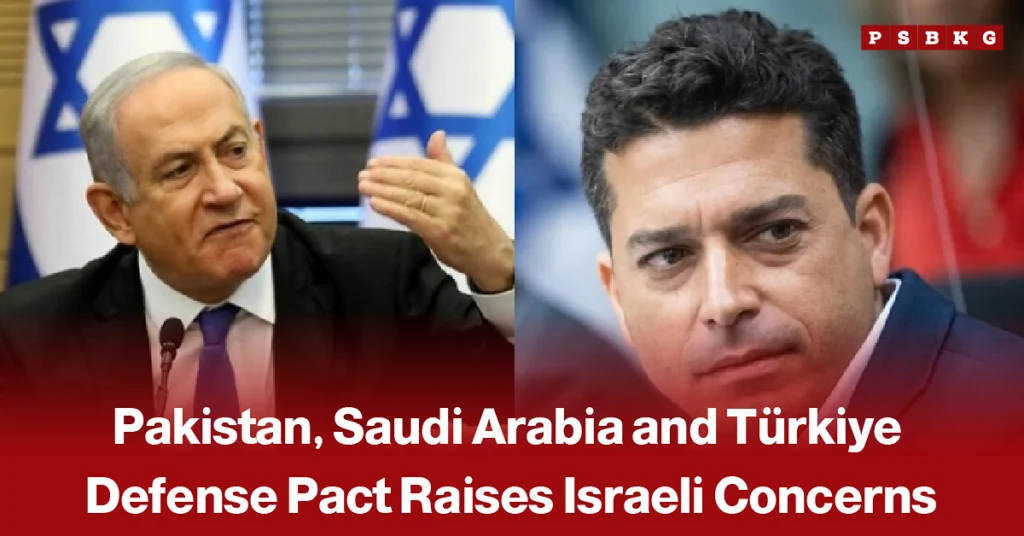
Pakistan, Saudi Arabia, and Türkiye have signed a joint defense agreement, creating a new security partnership among three influential Muslim majority countries. The agreement was signed in Makkah as tensions across the Middle East remain high. The pact has attracted international attention, particularly in Israel, where officials and analysts are assessing what the new arrangement could mean for the region’s security balance.
What the Agreement Means
The three countries have agreed to strengthen defense cooperation and coordinate their response to security threats. Reports describe the arrangement as a mutual defense framework, meaning an attack against one member could trigger support from the others. However, officials have not made all the exact military commitments and implementation details public, leaving some important questions about how the pact would work in practice.
Why Israel Is Watching Closely
Israel has shown concern over the development because Pakistan, Saudi Arabia, and Türkiye all have complicated relations with Israel. The combination of their military capabilities and political influence could create a different strategic environment in the wider region. Israeli commentary has described the agreement as a potentially significant development, although the three countries have not officially presented the pact as an alliance directed against Israel.
Pakistan Brings Military Experience
Pakistan’s role is particularly important because of its long standing defense relationship with Saudi Arabia. The two countries already signed a Strategic Mutual Defense Agreement in September 2025, committing them to treat aggression against one as aggression against both. Pakistan also has extensive military experience and a long history of defense cooperation with Gulf states. Bringing Türkiye into the framework expands that relationship into a wider regional arrangement.
Türkiye Adds Another Dimension
Türkiye brings its own significant military capabilities, including a large defense industry and experience in regional security operations. Ankara has also maintained an active diplomatic role in Middle Eastern affairs. Its participation means the agreement is not simply an extension of Pakistan and Saudi Arabia’s existing defense ties. It creates a broader strategic connection between South Asia, the Gulf, and Türkiye.
Iran Factor Also Matters
The agreement comes during a period of major regional uncertainty, including tensions involving Iran. Interestingly, Iranian officials have said there is no reason for Tehran to fear the new pact, describing it instead as part of a broader move toward regional security cooperation. That response suggests that different countries may view the agreement differently, depending on their security concerns and relationships.
A Changing Regional Balance
For Saudi Arabia, closer defense ties with Pakistan and Türkiye could provide another layer of security at a time when Gulf countries are reassessing their regional relationships. For Pakistan and Türkiye, the partnership could also open opportunities for deeper military cooperation. Analysts have previously noted that such arrangements reflect wider changes in the Middle East and growing interest in regional security mechanisms.
What Comes Next
The real importance of the pact will depend on how it is implemented. Joint exercises, defense production, intelligence sharing, and future security commitments could determine whether the agreement develops into a deeper military partnership. For now, the pact has already changed the regional conversation. Israel is watching closely, Iran is responding cautiously, and Pakistan, Saudi Arabia, and Türkiye appear ready to expand their defense cooperation at a time when the Middle East is going through another major security shift.