
Rising Tensions Bring Strong Words from Tehran
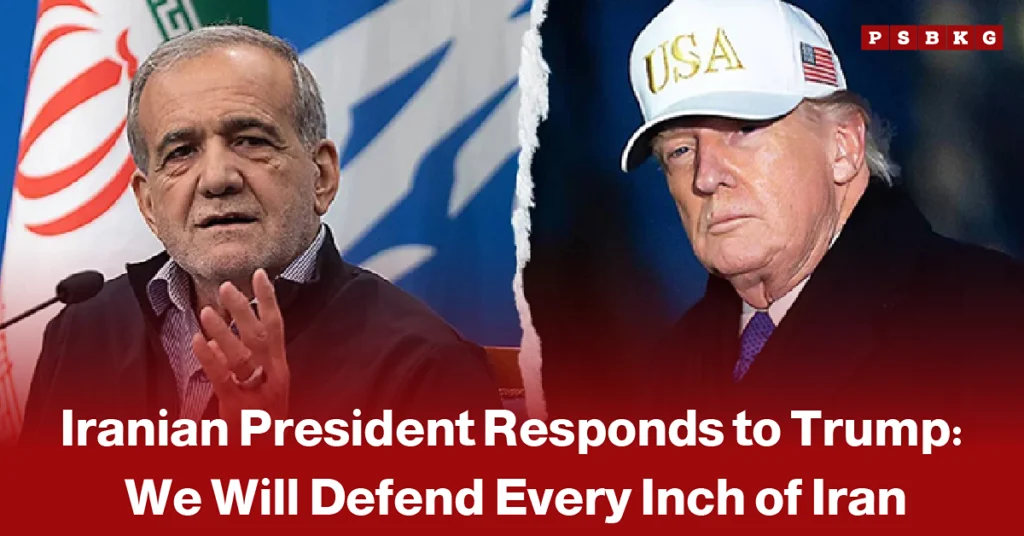
Iranian President responds to Trump as the latest exchange between Iran and the United States once again draws international attention. Iranian President Masoud Pezeshkian delivered a firm response to remarks made by former US President Donald Trump, stating that Iran would defend every inch of its territory against any threat. Speaking at a time of heightened regional tensions, Pezeshkian reaffirmed Iran’s long-standing national security policy. Although political exchanges between Tehran and Washington are not new, statements like these continue to fuel discussions about Middle East stability and the potential for further diplomatic tensions.
Iran Stands Firm on Its National Sovereignty
Addressing the issue, the Iranian president made it clear that the country’s independence and territorial integrity are not open to compromise. He stressed that Iran would respond to any aggression with determination and would not hesitate to protect its borders. Such statements are often aimed at both domestic and international audiences. At home, they reinforce national unity during periods of uncertainty. Abroad, they signal that Iran intends to maintain its position despite growing pressure from outside powers. The remarks also come at a time when the region continues to deal with the aftereffects of military confrontations and political disputes that have kept global attention focused on the Middle East.
Trump’s Remarks Add Fuel to an Already Sensitive Situation
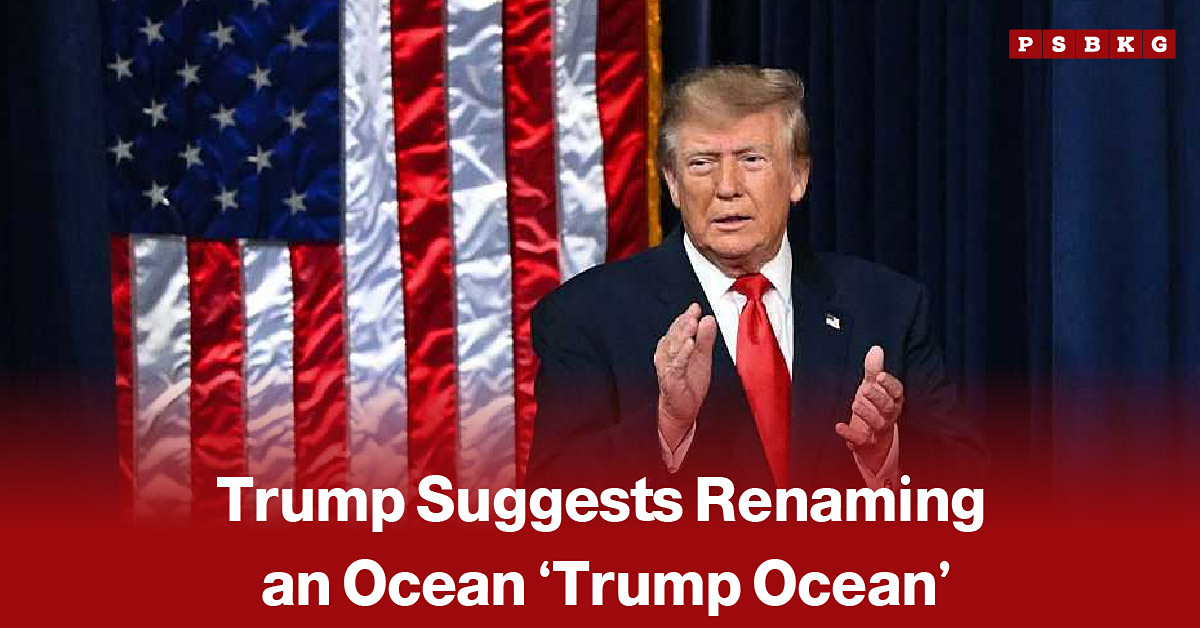
Donald Trump has frequently taken a tough stance on Iran, both during his presidency and in his public appearances afterward. His latest comments once again brought the relationship between the two countries into the spotlight. Although disagreements between Washington and Tehran have existed for decades, every new exchange of strong words tends to raise concerns about how events could unfold. Political analysts often note that public statements from leaders can influence diplomatic efforts, even when leaders announce no immediate policy changes. Sanctions, negotiations, military incidents, and repeated diplomatic efforts to manage tensions have shaped the history between the two countries. That background gives added weight to every official statement made by either side.
Why the World Is Watching Closely
The Middle East remains one of the world’s most strategically important regions. Any increase in tensions involving Iran has the potential to affect neighboring countries, international trade, and global energy markets. Investors, governments, and security experts usually monitor these developments carefully because uncertainty in the region can quickly influence oil prices and broader economic confidence. Even without immediate military action, political rhetoric alone can create concern across international markets. Many countries are therefore encouraging restraint and dialogue, hoping that disagreements can be managed through diplomatic channels instead of confrontation.
Diplomacy Still Remains the Preferred Path
Despite the strong language used by political leaders, diplomatic communication continues behind the scenes. History has shown that periods of heightened tension are often followed by renewed efforts to reduce risks through negotiations. Analysts believe that while firm public statements are common during geopolitical disputes, they do not always translate into direct military action. Governments frequently use such messages to demonstrate resolve while keeping diplomatic options open. For the international community, the priority remains preventing further instability in a region that has already experienced years of conflict and political uncertainty.
What Comes Next
As the Iranian President responds to Trump, his declaration that Iran will defend every inch of its territory highlights Tehran’s determination to safeguard its sovereignty. At the same time, Trump’s remarks once again underscore the deep divisions that continue to shape US-Iran relations.
The latest exchange, in which the Iranian President responds to Trump, has renewed global attention on the future of relations between the two countries. Whether this development leads to greater confrontation or renewed diplomatic engagement will depend on the actions both sides take in the coming weeks. For now, the world continues to watch closely, recognizing that developments involving Iran and the United States often carry consequences far beyond the Middle East.
UK Proposes Midnight-to-6 AM Social Media Curfew for 17-Year-Olds