

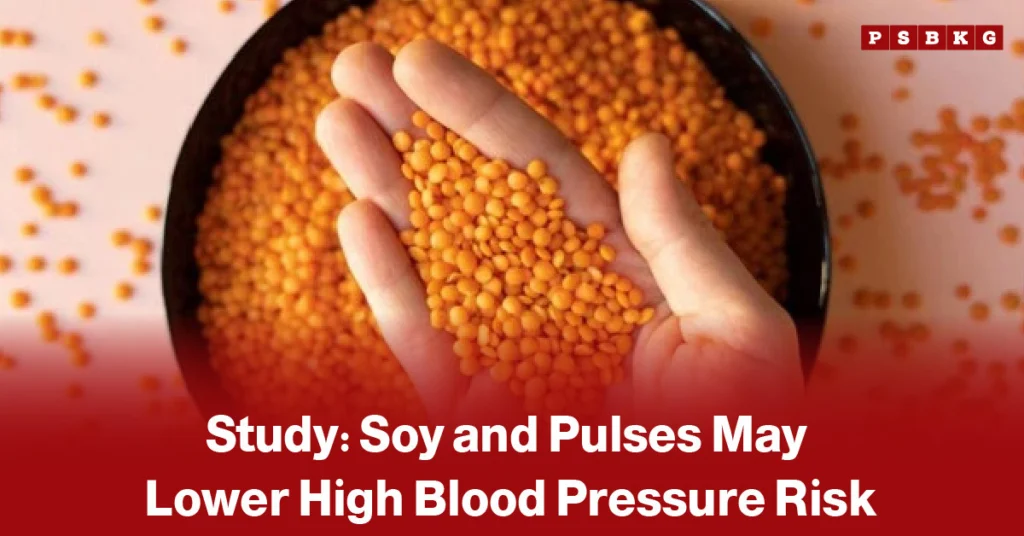
Latest News: A recent study has highlighted the potential health benefits of soy products and pulses, suggesting that regular consumption may help reduce the risk of developing high blood pressure. Researchers believe that the nutrients found in these plant-based foods can contribute to better heart health and support healthy blood pressure levels.
Researchers Explore Benefits of Plant-Based Foods
The study examined the relationship between dietary habits and cardiovascular health, focusing on the impact of soybeans, lentils, chickpeas, beans, and other pulses. Findings indicated that individuals who regularly included these foods in their diets were less likely to experience elevated blood pressure compared to those who consumed them less frequently.
Nutritional Value of Soy and Pulses
Soy products and pulses are rich sources of protein, fiber, vitamins, minerals, and antioxidants. They are also naturally low in saturated fat, making them a popular choice for individuals seeking healthier dietary options. These nutritional qualities are believed to play a role in supporting cardiovascular wellness.
How These Foods May Support Blood Pressure Control
Researchers suggest that the high fiber content in soy and pulses may improve blood vessel function and help regulate blood pressure. Additionally, minerals such as potassium and magnesium found in these foods are known to contribute to maintaining healthy blood pressure levels and overall heart function.
Potential Benefits for Heart Health
High blood pressure is a major risk factor for heart disease, stroke, and other cardiovascular conditions. By incorporating soy and pulses into a balanced diet, individuals may not only support healthier blood pressure but also reduce the likelihood of developing other heart-related health issues.
Growing Interest in Plant-Based Nutrition
The findings add to a growing body of research supporting plant-based diets. Health experts increasingly recommend consuming more legumes, beans, and soy products as part of a balanced eating plan due to their potential benefits for cardiovascular health, weight management, and overall well-being.
Experts Recommend a Balanced Approach
While the study highlights promising results, researchers emphasize that no single food can prevent high blood pressure on its own. Maintaining a healthy lifestyle that includes regular exercise, a balanced diet, adequate sleep, and stress management remains essential for long-term health.
Practical Ways to Include Soy and Pulses in Your Diet
Nutritionists suggest adding lentils to soups, incorporating beans into salads, consuming chickpeas as snacks or in meals, and choosing soy-based foods such as tofu and edamame. These simple dietary changes can help increase nutrient intake while supporting heart health goals.
Need for Further Research
Although the findings are encouraging, scientists note that additional studies are needed to better understand the long-term effects of soy and pulse consumption on blood pressure and cardiovascular health across different populations.
Conclusion
The latest research suggests that soy products and pulses may play a valuable role in reducing the risk of high blood pressure. As part of a balanced and healthy diet, these nutrient-rich foods could contribute to improved heart health and better overall well-being. Experts, however, continue to emphasize the importance of maintaining a comprehensive healthy lifestyle for optimal results.