
Deadly Incident Shocks the Nation
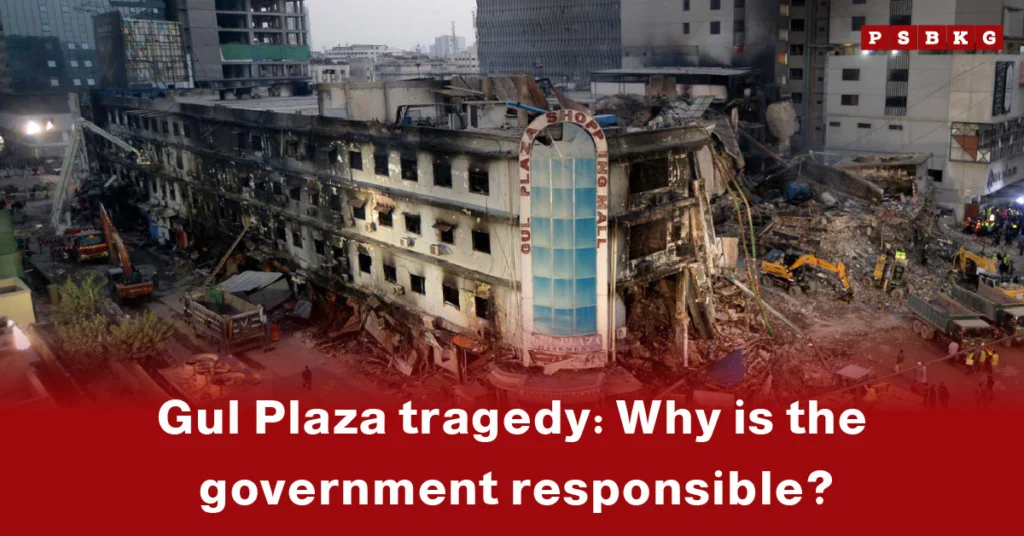
Latest News: The Gul Plaza tragedy exposes serious flaws in urban safety and governance. The fire claimed multiple lives and left dozens injured, triggering nationwide outrage. Families of victims demand accountability, while questions surface about negligence. Investigators focus on the role of government authorities. Many believe proper enforcement of safety laws could have prevented the tragedy. The incident symbolizes systemic failure rather than an isolated accident.
Lack of Fire Safety Enforcement
One of the biggest concerns highlighted by the Gul Plaza tragedy is the lack of fire safety enforcement. Many commercial buildings operate without proper safety certifications despite existing laws. Reports show Gul Plaza lacked adequate fire exits, alarms, and emergency response systems. Government departments responsible for inspections failed to identify or address these deficiencies. Authorities either ignored or poorly conducted regular safety audits. This failure raises serious questions about regulatory oversight.
Failure of Building Approval Authorities
Government bodies responsible for approving building plans face scrutiny after the Gul Plaza tragedy. Many buildings receive approvals without meeting safety standards. Weak monitoring allows illegal modifications to go unchecked. Gul Plaza reportedly had structural issues that should have raised red flags. Authorities did not take corrective action despite visible violations. This reflects a broader problem of poor governance and lack of accountability within regulatory institutions.
Ignored Warnings and Past Incidents
The Gul Plaza tragedy is not the first of its kind, yet authorities fail to learn lessons from previous incidents. Several similar fires in the past prompted temporary crackdowns, but long-term reforms never materialized. Experts say warnings from safety officials and civil society were repeatedly ignored. Government response often fades once public attention dies down. This pattern of negligence contributes to recurring disasters. Gul Plaza reflects years of inaction.
Emergency Response and Rescue Failures
The government’s responsibility extends to emergency preparedness and response during the Gul Plaza tragedy. Witnesses report delays in firefighting and rescue operations. Poor coordination among emergency services worsens the situation. Lack of equipment and training hampers rescue efforts. Such delays often determine the difference between life and death. Authorities now face criticism for inadequate disaster management planning.
Corruption and Weak Accountability
Analysts say corruption plays a major role in incidents like the Gul Plaza tragedy. Safety inspections often serve as formalities rather than serious evaluations. Bribes and political influence allow unsafe buildings to operate freely. Weak accountability mechanisms let negligence go unpunished. The absence of strict penalties encourages repeated violations. Gul Plaza highlights how corruption undermines public safety.
Legal Responsibility of the State
Under the law, the state holds responsibility for citizen safety during incidents like the Gul Plaza tragedy. This includes enforcing building codes, conducting inspections, and responding effectively to emergencies. Neglecting these duties makes the government legally and morally accountable. Legal experts say failing to enforce regulations constitutes negligence. Victims and their families have the right to seek justice. The tragedy renews calls for stronger legal action against responsible authorities.
Public Trust and Governance Crisis
Incidents like the Gul Plaza tragedy severely damage public trust in government institutions. Citizens expect the state to protect their lives, especially in public and commercial spaces. When tragedies occur due to negligence, confidence in governance erodes. Public anger reflects frustration with repeated failures. Trust returns only through transparency and reform. The government now faces a credibility challenge.
Calls for Reforms and Accountability
Civil society groups and experts demand structural reforms following the Gul Plaza tragedy. They call for independent safety audits, strict penalties, and transparent investigations. Activists urge the government to publicly release inspection records. Experts also demand modernization of fire safety systems nationwide. Without meaningful reforms, similar incidents will recur, they warn. The tragedy has become a rallying point for change.
Conclusion
The Gul Plaza tragedy was not merely an accident but a consequence of systemic government failure. From weak enforcement to poor emergency response, multiple layers of negligence contributed to the loss of lives. The government’s responsibility lies in its failure to prevent a foreseeable disaster. Accountability, reforms, and strict enforcement are now essential to prevent future tragedies. Without decisive action, public safety will remain at risk. The true test lies in whether lessons are finally learned.