
Escalating Rhetoric on Iran Threatens Stability
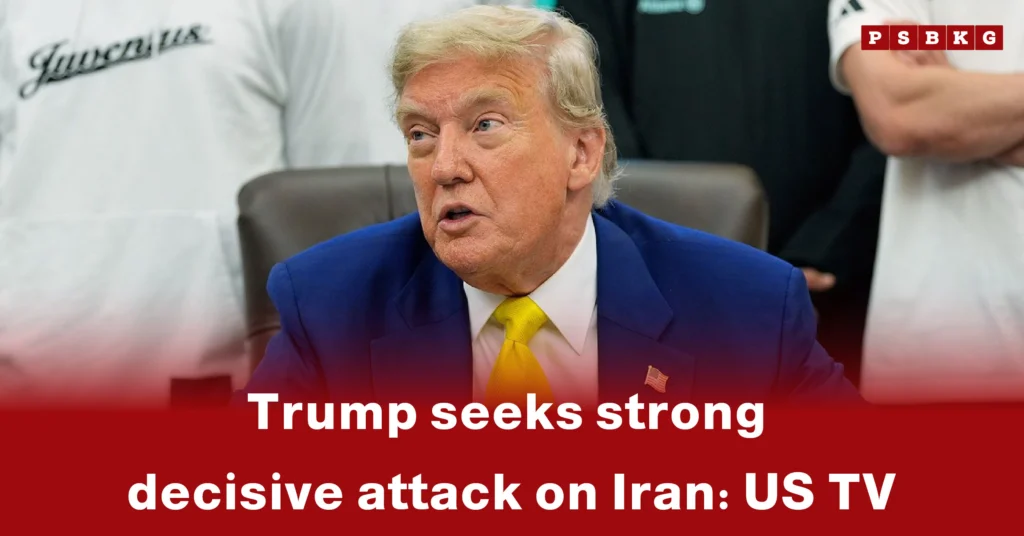
Latest News: Recent reports from U.S. television outlets say President Donald Trump is considering a strong attack on Iran amid ongoing unrest. The Iranian government faces fierce protests and intense global scrutiny. Trump has warned Tehran that if the regime continues violent crackdowns, especially executions of protesters, the United States may respond with military force or other decisive measures. This move raises tensions between Washington and Tehran and sparks global concern over the risk of a broader conflict.
America’s Focus Amid Iranian Unrest
Iran has seen some of its largest demonstrations in years, fueled by economic hardship and social grievances. Rights groups report that thousands have died in protests and crackdowns. Trump’s administration has repeatedly urged Iranian authorities to show restraint and avoid violent repression. U.S. officials have suggested that more assertive measures, including targeted strikes on strategic sites, could be justified if the situation worsens. Media coverage highlights these discussions, fueling debate over a possible Trump strong attack on Iran and how far America should go in responding.
What Trump Has Said Publicly
In recent remarks from the Oval Office and on social media, Trump has issued mixed statements. He has hinted that force may be needed, especially if executions resume or innocent people are killed. At the same time, he noted that violence in Iran might be easing and said the U.S. could monitor the situation before taking military action. Despite this, Trump keeps the door open to strong measures. Officials say the U.S. is weighing all options, including a Trump strong attack on Iran, to protect human rights and regional security.
Calls from Congress for a Forceful Response
Trump’s stance has gained support from some U.S. lawmakers. A few hardline Republican senators have urged him to take dramatic action against the Iranian regime. They propose military strikes, cyber operations, and strategic pressure to weaken Tehran’s leadership and aid protesters. Supporters argue that a strong approach could send a clear message and potentially save lives. Critics warn, however, that a Trump strong attack on Iran could escalate the conflict and widen regional tensions.
International Reaction and Regional Risks
Global reactions remain mixed. Some allied nations urge restraint and diplomacy, warning that military action could further destabilize the region. Gulf states, concerned about the fallout from any U.S. strike, emphasize peace and negotiations. Meanwhile, Tehran warns it is ready for all options, including war, if Washington “tests” it, according to Iranian officials. This tense back-and-forth raises fears that a Trump strong attack on Iran could trigger a wider Middle Eastern conflict.
Tehran’s Response and Threats
Iran’s government has responded firmly. Officials warn that any foreign attack would trigger retaliation against U.S. interests, allies, and bases across the Middle East. State media have issued direct threats, including warnings aimed at Trump himself. These developments show that Tehran is preparing for confrontation and will respond forcefully. Experts say a Trump strong attack on Iran could provoke serious retaliation rather than force Tehran to yield.
Military Preparedness and Strategic Options
While Trump debates all options, reports say the U.S. military is preparing plans without fully committing to a strike. Forces in the region remain on alert, and commanders want more time to refine operations. Analysts note that possible actions include air strikes on military infrastructure, cyber operations to disrupt command systems, or symbolic moves to weaken Iran’s capabilities. Each choice carries serious risks, and experts warn that a Trump strong attack on Iran could trigger regional escalation.
Balancing Diplomacy and Force
Despite the tough talk, experts stress that diplomacy must remain a priority. They warn that military escalation could spark a costly and unpredictable war, harming U.S. interests and global economic stability. For now, Trump balances pressure with ongoing diplomatic dialogue while warning of severe consequences if Iran crosses red lines. Analysts say a Trump strong attack on Iran remains a possible option, reflecting deep divisions within U.S. policy circles on managing Tehran.
Economic and Humanitarian Concerns
Beyond strategic debate, the violence in Iran has massive humanitarian implications. Thousands of protesters have been killed or detained, and rights groups are calling for international investigations. Trump has positioned himself as a supporter of Iranian protesters, urging them to continue pushing for change, even as he weighs the consequences of intervention. The U.S. has also implemented economic measures against Tehran, including tariffs and sanctions aimed at weakening the regime’s financial base.
Looking Ahead: Caution or Conflict?
As the situation evolves, global leaders are watching closely. The U.N. Security Council and other diplomatic bodies have expressed concern and are seeking pathways for peaceful resolution. Trump’s next moves will be closely analyzed by allies and adversaries alike, with every statement scrutinized for signs of intent. For now, the world remains on edge, hoping that intense rhetoric does not turn into open conflict but preparing for all eventualities as tensions with Iran continue.