
Intense Cold Grips the Province
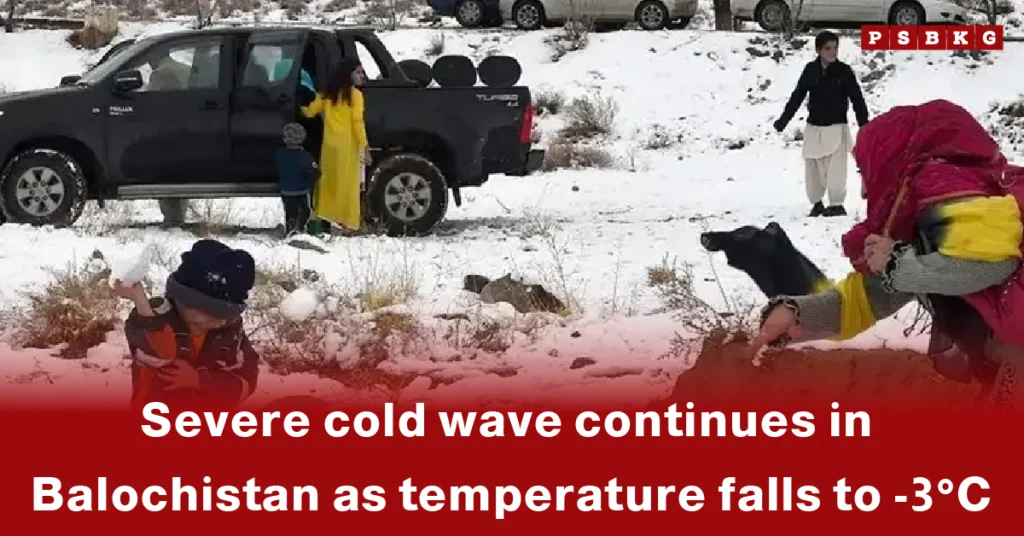
Latest News: The Balochistan cold wave continues to grip the region as temperatures in several areas dropped to minus 3 degrees Celsius. Freezing weather intensifies hardships for residents, particularly in northern and high-altitude districts. Cold winds and dry conditions worsen the situation. People struggle to cope with extreme cold, disrupting daily life. Authorities advise citizens to take precautionary measures. The cold wave will persist for several more days.
Quetta Records Sub-Zero Temperatures
Quetta, the provincial capital, experienced extremely low temperatures during the night amid the Balochistan cold wave. The mercury dipped below freezing, freezing water pipelines in some areas. Residents struggled to commute during early morning hours. Markets opened late as shopkeepers waited for the cold to ease. Many people relied on heaters and warm clothing to stay safe. Prolonged power outages increased discomfort for households.
Northern Districts Face Harsh Conditions
Districts such as Ziarat, Kalat, Zhob, and Chaman face even harsher conditions amid the Balochistan cold wave. Snowfall and icy winds make roads slippery and dangerous. In Ziarat, higher elevation causes temperatures to drop further. Locals report shortages of fuel wood and gas. Transportation between towns slows significantly. These regions remain among the most affected by the ongoing cold spell.
Impact on Daily Life and Livelihoods
The Balochistan cold wave severely affects daily routines across the province. Outdoor laborers and farmers struggle to work in freezing conditions. Schools in colder regions report low attendance. Livestock owners worry about the health of animals exposed to extreme cold. Many low-income families lack adequate heating facilities. The situation increases pressure on already vulnerable communities.
Health Risks Increase Amid Freezing Weather
Doctors warn that the Balochistan cold wave increases health risks with prolonged exposure to extreme cold. Hospitals report cases of flu, chest infections, and hypothermia. Older people and children remain especially vulnerable. Medical experts advise avoiding unnecessary outdoor exposure. Citizens must stay warm and hydrated. Health facilities continue to stay alert.
Power and Gas Shortages Add to Problems
Frequent electricity outages and gas shortages worsen hardships amid the Balochistan cold wave. Many households rely on electric heaters or gas for warmth. Load-shedding during freezing nights frustrates residents. In some areas, people use alternative fuels like wood and coal. Authorities acknowledge the issue and promise improvements. Residents say relief remains limited.
Authorities Issue Cold Weather Advisory
The Provincial Disaster Management Authority (PDMA) issued an advisory amid the Balochistan cold wave, urging citizens to remain cautious. Officials advised people to wear warm clothing and avoid travel to hilly areas unless necessary. Motorists received warnings about icy roads, especially at night. Local administrations remain prepared for emergencies. Rescue teams stay on alert. The advisory remains in effect until temperatures rise.
Farmers and Livestock Owners on Alert
The Balochistan cold wave raises concerns among farmers and livestock owners. Frost damages crops and reduces agricultural output. Livestock exposed to freezing temperatures risk illness and death. Farmers use traditional methods to protect animals. Agricultural experts advise extra care during night hours. The cold spell may have lasting effects on rural livelihoods.
Weather Forecast for Coming Days
The Meteorological Department warns that the Balochistan cold wave will continue. Night temperatures may stay below freezing in northern districts. Daytime temperatures remain low with chilly winds. Officials do not expect significant rainfall in the immediate future. They say gradual improvement may occur later in the week. Until then, citizens must exercise caution.
Residents Urged to Stay Prepared
As the cold wave persists, residents are urged to remain vigilant and prepared. Stocking essential supplies and staying informed is advised. Community cooperation is encouraged to help vulnerable individuals. Authorities emphasize collective responsibility during harsh weather. While winter is a recurring challenge, preparedness can reduce risks. The focus remains on safety and resilience.