
Restrictions Return to Karachi Roads
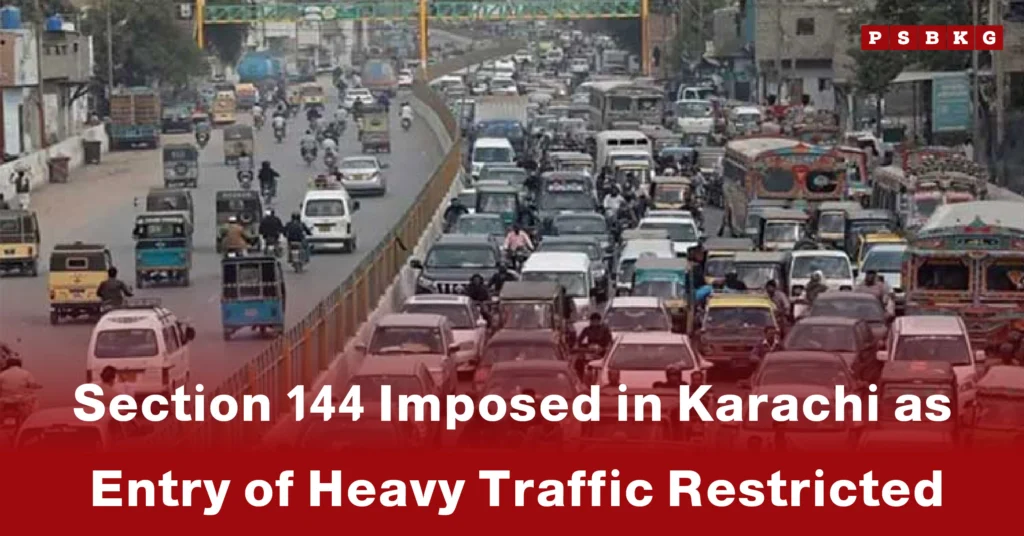
Latest News: Authorities impose Section 144 in Karachi, restricting the entry of heavy traffic into the city. Officials aim to manage congestion, improve road safety, and control traffic issues that have long troubled residents. For many Karachiites, these restrictions are familiar but cause immediate disruption to daily routines.
What Section 144 Means for the City
Section 144 in Karachi allows authorities to impose temporary bans to maintain public order. In this case, officials focus on limiting the movement of heavy vehicles during specific hours. Trucks, dumpers, and large cargo vehicles must comply with the order. Authorities say they implemented the decision to reduce accidents and ease pressure on already overcrowded roads.
Why Heavy Traffic Is Being Restricted
Karachi has seen a rise in traffic accidents involving heavy vehicles in recent months. Poor road conditions, overloading, and reckless driving have contributed to several fatal incidents. Authorities believe that enforcing Section 144 in Karachi to restrict heavy traffic during peak hours will reduce risks for commuters. The measure also aims to ensure smoother flow for public transport and private vehicles.
Impact on Transporters and Businesses
Transporters and goods carriers have expressed concerns over the restrictions. Many argue that the limited entry hours under Section 144 in Karachi disrupt supply chains and increase operational costs. Businesses dependent on timely deliveries fear delays. However, officials maintain that they provided alternative routes and designated timings to minimize disruption while ensuring safety.
Public Reaction on the Streets
Public response to Section 144 in Karachi has been divided. Some residents welcome the decision, hoping it will reduce congestion and accidents. Daily commuters say heavy vehicles make driving stressful and dangerous. Others, especially those linked to logistics and transport sectors, worry about the economic impact. Social media discussions reflect both relief and frustration over the announcement.
Traffic Police and Enforcement Plans
Traffic police have been deployed across major entry points to enforce Section 144 in Karachi. Officials say they will take strict action against violators. Fines, vehicle impoundment, and legal measures form part of the enforcement strategy. Authorities have urged drivers to cooperate, warning that non-compliance could worsen traffic conditions rather than improve them.
Safety Concerns Behind the Decision
Road safety remains a major concern in Karachi. Heavy vehicles often operate without proper fitness certificates or trained drivers. Pedestrians, motorcyclists, and small car drivers face the highest risk. Officials say Section 144 in Karachi serves as a temporary measure while long-term solutions, such as improved regulation and infrastructure upgrades, are implemented.
Economic Balance vs Public Safety
The restriction highlights the ongoing struggle between economic needs and public safety. Karachi, Pakistan’s commercial hub, relies heavily on cargo movement. At the same time, Section 144 in Karachi addresses the serious risks posed by unchecked heavy traffic. Analysts say sustainable solutions require better urban planning, improved freight corridors, and stricter enforcement of traffic laws.
Calls for Long-Term Traffic Reforms
Urban planners and citizens are calling for lasting reforms rather than short-term bans. Suggestions include dedicated lanes for heavy vehicles, improved public transport, and better driver training programs. Experts argue that without structural changes, temporary restrictions like Section 144 will only offer limited relief.
What Residents Should Expect Next
Authorities will keep the restriction in place for a specified period and will review the situation afterward. Residents should stay updated through official notifications. Transporters must follow designated routes and timings. While the inconvenience is real, officials insist the measure aims to save lives.
Conclusion
The imposition of Section 144 in Karachi and the restriction on heavy traffic reflects the city’s ongoing struggle with congestion and road safety.The move has disrupted transport operations but has also sparked hope for safer roads. Whether this step leads to meaningful improvement depends on enforcement and future planning. For now, Karachi braces itself for adjusted routes, tighter checks, and another attempt to bring order to its busy streets.