
Tension Grips Streets After Tragic Death
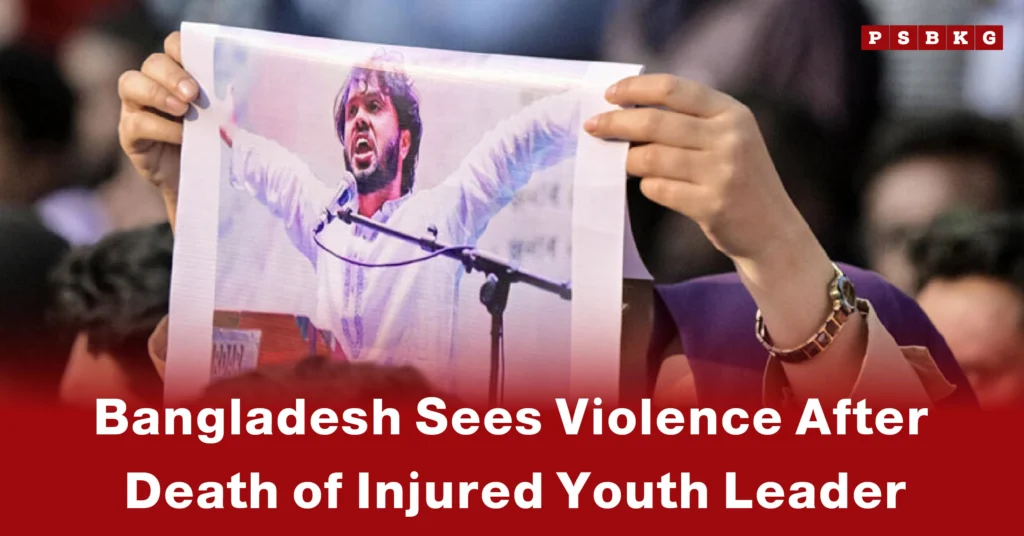
Latest News: Bangladesh faced fresh unrest after an injured youth leader died, sparking anger and grief across several areas. News of his death spread quickly, and supporters took to the streets. Mourning turned into protests, and some places saw violent clashes. Shops closed early, traffic slowed, and fear gripped neighborhoods already tense from political uncertainty. Bangladesh violence youth leader dominated headlines as the situation escalated.
Who the Youth Leader Was
The youth leader played an active role in student and grassroots politics. Supporters described him as outspoken and deeply connected to local communities. Earlier unrest had injured him, and he remained in critical condition for days. His death symbolized growing political frustration, especially among young people who feel unheard. The case of Bangladesh violence youth leader drew widespread attention.
Protests Turn Violent
Soon after authorities confirmed his death, demonstrators erupted in multiple districts. Protesters blocked roads, set fires, and clashed with law enforcement. Police used baton charges and tear gas to control the crowds. Some gatherings stayed peaceful, but others escalated quickly. Several people suffered injuries, increasing the sense of instability. The events highlighted Bangladesh violence youth leader incidents nationwide.
Heavy Police Presence Across Cities
Authorities increased security across major cities to prevent further unrest. Police set up checkpoints and intensified patrols in sensitive areas. Officials urged citizens to stay calm and avoid spreading rumors. They also monitored the internet closely as misinformation circulated, fueling more anger and confusion. The situation reflected ongoing concerns over Bangladesh violence youth leader incidents.
Political Reactions and Blame
Political leaders traded accusations as tensions rose. Opposition figures blamed the government for failing to maintain law and order, while officials accused rival groups of exploiting the tragedy for political gain. Parties issued competing statements, each presenting a different version of events. Amid the disputes, calls for an impartial investigation into the Bangladesh violence youth leader incident grew louder.
Families Caught in the Middle
Ordinary citizens faced fear and frustration. Parents worried about children returning home late, shopkeepers feared damage to their businesses, and commuters dealt with long delays. For many families, the unrest disrupted daily life again. The death of the youth leader served as a stark reminder of how political conflict affects those with no direct involvement, highlighting the impact of Bangladesh violence youth leader events.
Youth Anger and Uncertainty
The incident highlighted rising anger among Bangladesh’s youth. Many young people feel disillusioned by limited opportunities and political polarization. Analysts say this frustration often erupts during crises. The death of the youth leader amplified these emotions, turning private grief into collective rage that authorities struggled to contain, underscoring the significance of Bangladesh violence youth leader events.
Calls for Justice and Accountability
Human rights groups and civil society voices called for transparency and accountability. They urged the government to investigate the circumstances leading to the youth leader’s injury and death. Without clarity, they warned, mistrust would deepen. Several groups also appealed for restraint, stressing that violence would only worsen divisions.
Regional Stability Concerns
Observers noted that prolonged unrest could affect Bangladesh’s broader stability. Political violence has economic and social costs, from disrupted trade to damaged investor confidence. Analysts say unresolved tensions may continue to flare unless meaningful dialogue takes place. The situation is being closely watched both domestically and internationally.
Conclusion
The violence following the death of the injured youth leader has exposed deep cracks in Bangladesh’s political and social fabric. What began as mourning quickly turned into unrest, reflecting widespread frustration and mistrust. As authorities attempt to restore order, many are calling for justice, accountability, and dialogue. The coming days will be critical in determining whether calm returns or tensions continue to simmer. For now, the country stands at a fragile moment, hoping grief does not turn into lasting instability.