

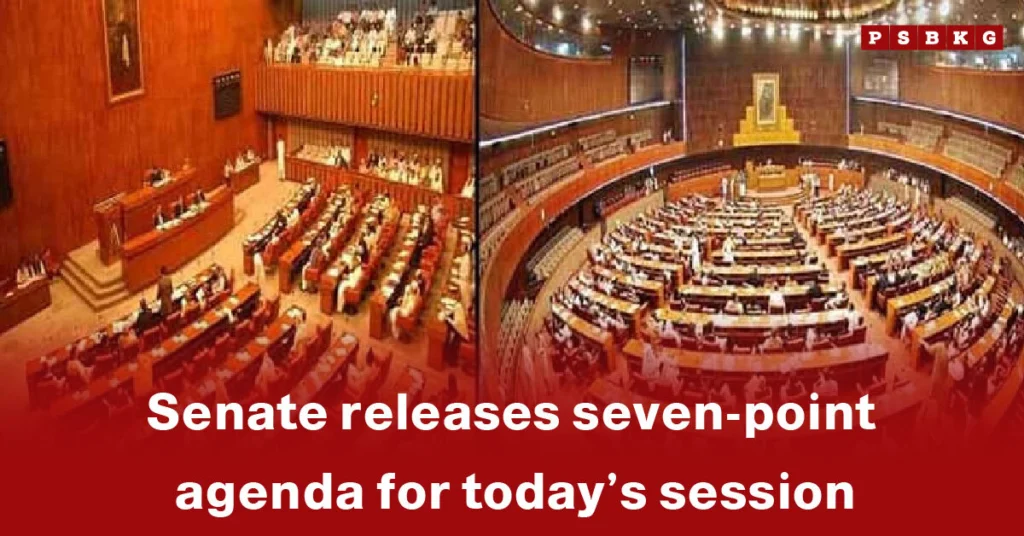
A Busy Day Ahead in the Upper House
Latest News: The Senate enters its new session today with a seven-point Senate agenda. The list looks simple at first glance. Lawmakers know each item carries weight. Political tensions quietly sit beneath the surface. Senators arrived early, exchanging brief conversations in the hallways. Each one knows today’s topics might shape discussions for weeks. The air carries a mix of routine and anticipation. Sessions are expected to draw pointed questions and heavy scrutiny. Nothing about the day feels ordinary, even in a standard agenda format.
Legislative Work Takes Priority
One of the leading items on the Senate agenda is the review of legislative drafts circulating through committees for months. These bills may not seem dramatic, but their impact is wide. They touch administrative reforms, institutional performance, and regulatory changes. Senators from both sides have prepared notes, knowing even minor amendments can spark long debates. Today’s session tests how efficiently the house can handle complex legislative work without getting bogged down in political quarrels. As the chamber settles, lawmakers are ready, though outcomes remain unpredictable.
Question Hour Expected to Be Lively
The question hour on the Senate agenda is likely to draw the liveliest exchanges of the day. Senators have lined up queries for ministries handling finance, security, and public services. Public pressure in these areas has steadily grown. Lawmakers want concrete answers, not vague promises. Some plan to raise concerns about inconsistencies in government performance. Others will highlight gaps left unaddressed for too long. These sessions often reveal more than formal reports. Direct questions force ministries to respond openly. The tone may stay courteous, but moments of tension are expected.
Committee Reports Add Depth to the Session
Several standing committees will present their reports today as part of the Senate agenda. These reports summarize weeks of technical work and consultations. They include assessments, recommendations, and evaluations that help the Senate see the broader picture before acting on any policy. Lawmakers consider them essential, reflecting detailed work done away from the spotlight. The public may not follow committee discussions closely, but these findings often shape future debates. Today’s reports are expected to cover economic concerns, governance issues, and institutional challenges. Senators see them as the backbone of informed decision-making.
Government Updates Anticipated on National Issues
Another significant item on the Senate agenda is the briefing from government representatives. These updates cover ongoing national matters, some under public discussion for weeks. Senators expect questions on administrative performance, financial conditions, and policy directions needing clarity. The government’s explanations may shape the session’s tone, calming concerns or prompting tougher follow-ups. Lawmakers want transparency and accountability, especially in areas affecting citizens directly. The briefings, though formal, often reveal government priorities more clearly than prepared statements.
Public Interest Motions Reflect Ground Realities
A number of motions raised by individual senators are part of the Senate agenda. They focus on issues affecting people across the country. These motions highlight challenges like rising costs, service shortages, and regional concerns needing attention. Senators see this as a chance to show what citizens experience outside parliament. It is when national conversations enter the legislative space, turning everyday struggles into debate. These motions may not bring immediate solutions. They create pressure for future action and ensure public concerns are formally recorded.
Political Implications Behind Routine Proceedings
While the Senate agenda looks procedural, analysts see deeper political implications. The session comes at a time of shifting alliances and growing criticisms. Every party aims to project stability. Senators may use the opportunity to send messages to their leadership, rivals, and constituencies. Even small exchanges can hint at political trends. A routine agenda often becomes a platform for positioning, and today’s session fits that pattern. Observers say the real story may not be the agenda itself but how debates unfold and what tone dominates the chamber.
An Important Session That Sets the Week’s Direction
The Senate agenda signals a busy day that could shape political discussions in the near future. Lawmakers hope debates remain focused, constructive, and grounded in national interest .The session, whether it ends with breakthroughs or steady progress, will add to the ongoing narrative of governance. The day seems long. Senators appear ready to navigate it with patience and purpose. As the session begins, the country watches closely, eager to see how elected representatives handle their responsibilities.