

A development that drew attention
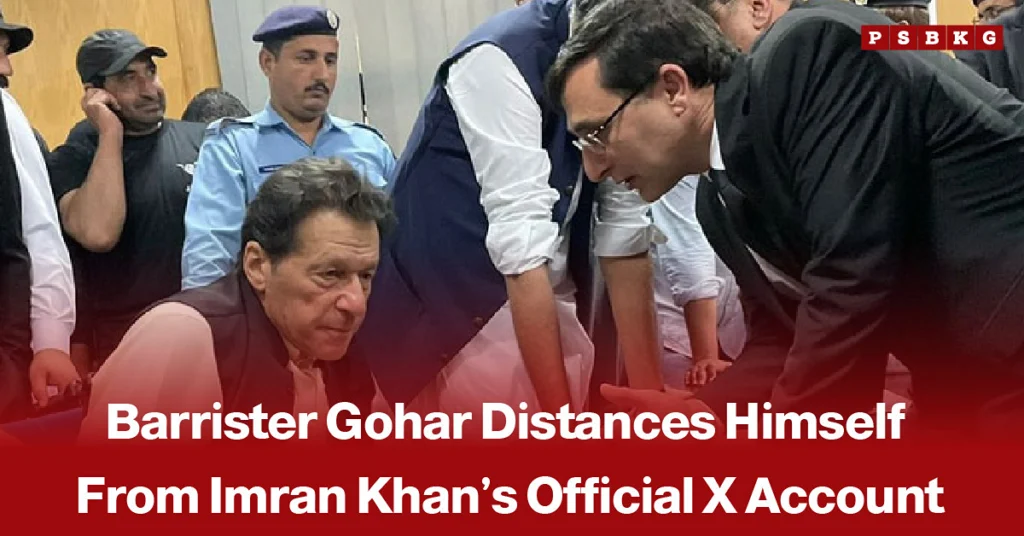
Latest News : A new political move surfaced this week as a list of party leaders was officially sent to Adiala Jail authorities. The purpose was clear, to seek permission for a PTI founder meeting, as the party’s founder remains incarcerated there. Such requests are not uncommon in Pakistan’s political landscape, but each time they emerge, they carry an air of significance. The decision raised questions about what kind of conversations could take place behind closed doors and what signals it might send to the broader political arena.
Who gets access matters
In politics, access is power. Not every leader is allowed to meet a party founder or a jailed figure of influence. The list sent to Adiala is therefore more than a simple administrative formality. It reflects internal dynamics within PTI and perhaps attempts to maintain unity at a time of turbulence. For observers, the selection of names is a story in itself. Who made it to the list, and who did not, often becomes a window into ongoing shifts in loyalty and influence.
Political temperature still high
The country’s political climate remains intense, with rallies, speeches, and shifting alliances dominating headlines. Against this backdrop, the attempt to arrange a PTI founder meeting inside Adiala Jail adds another layer. The PTI founder’s role in shaping narratives is still powerful, despite incarceration. Leaders who get to meet him are likely to emerge with instructions, endorsements, or strategies that will echo beyond prison walls. For a party grappling with challenges, such communication channels are critical.
The symbolism of Adiala
Adiala Jail has, over the years, become more than just a prison. It has hosted many political figures, turning into a backdrop for Pakistan’s turbulent democratic journey. Each time leaders walk in or out, it sparks discussions that go far beyond routine jail protocols. Sending a list of names for approval carries a symbolic weight, reminding the nation that politics in Pakistan often unfolds in unusual settings. For PTI, this moment, especially tied to the PTI founder meeting, is about keeping their founder’s influence intact and visible.
Reactions and interpretations
As soon as news of the list circulated, reactions came quickly. Supporters viewed it as a necessary step to ensure the PTI founder remains connected to his team through a PTI founder meeting. Critics, however, raised concerns about privileges and questioned whether such access should be so easily arranged. In Pakistan’s polarized atmosphere, even procedural moves like this become subject to heated debate. The framing of the news, who reported it and how it was discussed, also reflects the deep divisions in public opinion.
What it signals going forward
The approval or rejection of the list will have consequences. If meetings are allowed, PTI leaders will have the chance to coordinate strategies directly with their founder. If the request is delayed or denied, it could deepen frustrations within the party and spark political messaging about suppression. Either way, the list is not just about names on paper. It is a marker of how politics continues to adapt, even under constraint, and how leadership tries to maintain control in challenging circumstances.
A reminder of shifting times
Ultimately, this development reflects the evolving nature of Pakistani politics. Communication, access, and symbolism are all tools that parties use to keep momentum. Sending a list of leaders to Adiala Jail for a PTI founder meeting may appear small on the surface, but beneath it lies the weight of internal cohesion, public messaging, and political strategy. In moments like these, it becomes clear that politics in Pakistan rarely rests. It reshapes itself constantly, whether in parliament, on the streets, or even within the walls of a jail.