
Petrol Price Includes More Than Oil Cost
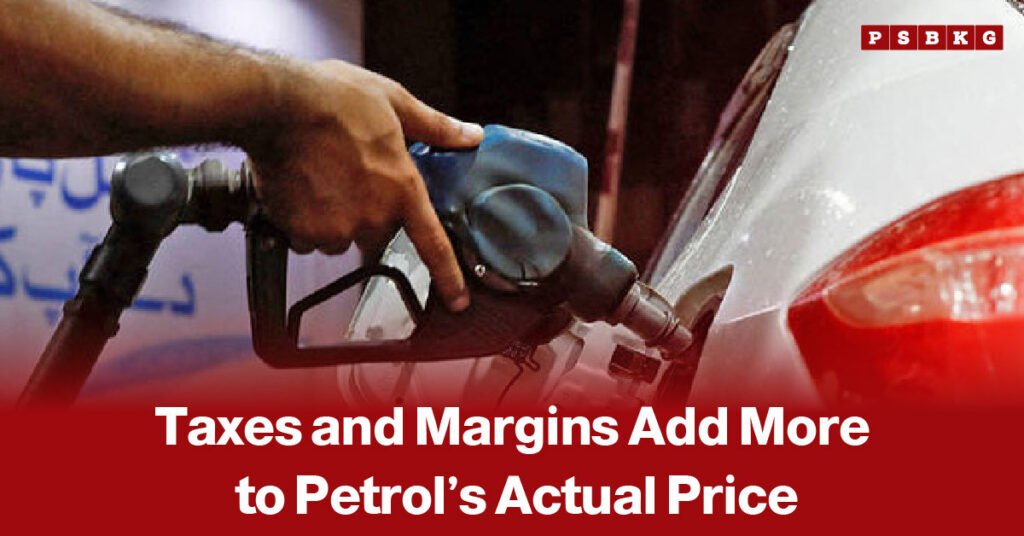
The price people pay for petrol in Pakistan is much higher than the basic cost of the fuel. Taxes, dealer margins, distribution costs, and other charges are added before petrol reaches consumers. These additional costs can make up a significant part of the final price.
Taxes Increase the Final Price
Government taxes are one of the main factors behind the higher petrol price. The price of petrol is calculated after adding different taxes and levies to the base fuel cost. As international oil prices change, the government adjusts the overall price accordingly. Consumers therefore pay not only for the petrol itself but also for several government-imposed charges.
Dealer and Oil Marketing Margins
Petrol dealers and oil marketing companies also receive regulated margins. These margins cover the costs of transporting, storing, and selling fuel. Although the amounts may appear small on a per-liter basis, they add to the final price paid by consumers. The margins are included in the official pricing formula used to determine petrol prices.
International Oil Prices Also Matter
Global crude oil prices have a direct impact on Pakistan’s petrol prices. When crude oil becomes more expensive in international markets, the cost of importing petroleum products generally rises. This puts pressure on domestic fuel prices. Exchange rate movements can also affect the amount Pakistan pays for imported oil and petroleum products.
Why Petrol Costs More at the Pump
By the time petrol reaches a filling station, several costs have been added to its basic price.
These can include:
International fuel cost
Freight and transportation charges
Government taxes and levies
Oil marketing company margins
Petrol dealer margins
Other regulated costs
The combined effect determines the final retail price.
Higher Costs Affect Consumers
An increase in petrol prices does not only affect vehicle owners. Higher fuel costs can also increase transportation expenses and raise the cost of moving goods across the country. This can eventually put pressure on prices of food and other everyday items. For people who use motorcycles and cars for work, even a small increase in petrol prices can add to monthly expenses.
Government Controls Part of the Price
The government has control over a major portion of the petrol price through taxes, levies, and regulated margins. Changes in these charges can therefore affect the price consumers pay, even when international oil prices remain stable. The government sometimes adjusts taxes or provides targeted relief to reduce the impact of higher fuel prices on consumers.
Petrol Price Remains a Major Issue
The breakdown of petrol prices shows why the amount paid at the pump can be significantly higher than the basic fuel cost. International oil prices are important, but taxes, margins, and other charges also play a major role in determining the final price. For consumers, these additional costs mean that changes in petrol prices can have a wider impact on household budgets and the overall cost of living.