
Major Difference Between Fuel Prices and Actual Cost
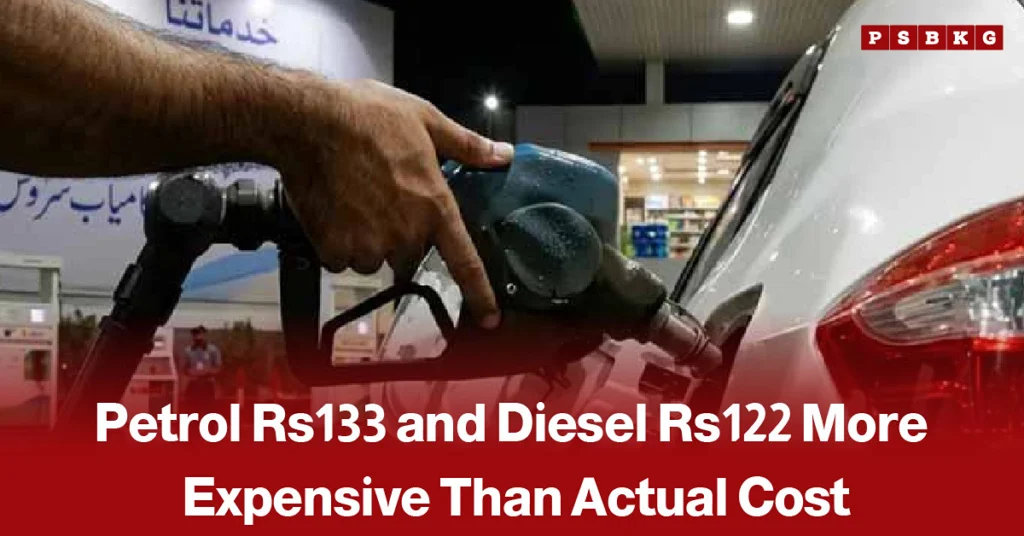
Petroleum prices in Pakistan have once again come under discussion after a report highlighted a significant difference between the actual cost of petrol and diesel and the prices consumers pay at fuel stations. According to the reported figures, petrol is being sold at around Rs133 per litre above its actual cost, while high-speed diesel is approximately Rs122 per litre more expensive than its underlying cost. The issue has renewed debate over the taxes, duties, and other charges included in petroleum prices and the financial burden placed on consumers.
Taxes Make Up a Large Part of Fuel Prices
A major component of the difference is the government’s petroleum-related taxation. Recent official pricing data shows that the government is currently collecting around Rs114 per litre in taxes and duties on petrol, while the levy on high-speed diesel stands at approximately Rs100 per litre. These charges are added on top of the underlying petroleum cost and other components used to determine the final price at petrol stations. As a result, international oil prices can fall without consumers necessarily seeing an equivalent reduction in local fuel prices.
Petrol and Diesel Prices Continue to Change
Pakistan introduced a daily petroleum pricing mechanism in 2026 because of sharp fluctuations in international oil markets. Under the new system, authorities adjust fuel prices more frequently based on changes in international petroleum prices and other relevant factors.. The government has been using a rolling average of international prices for determining the local rates. This has resulted in frequent changes in petrol and diesel prices during September. For example, petrol fell to Rs345.87 per litre on September 5, while high-speed diesel rose to Rs378.05. Authorities subsequently raised prices again as international market conditions changed.
Latest Petrol and Diesel Rates
The government increased petrol and diesel prices again on September 9. Under the latest notification, petrol prices increased by Rs3.40 per litre to Rs367.75, while high-speed diesel prices rose by Rs6.72 to Rs392.67 per litre. The revised rates took effect on September 10. These repeated changes demonstrate how closely domestic fuel prices now follow movements in global oil markets.
Why Consumers Are Concerned
Fuel prices have a direct impact on almost every part of the economy. When petrol and diesel become more expensive, transportation costs generally rise. This can eventually affect the prices of food, agricultural products, public transport, and other everyday goods. Diesel plays a particularly important role in the agricultural and transport sectors, as farmers and businesses widely use it to power heavy vehicles, machinery, and equipment. For ordinary consumers, the difference between the actual petroleum cost and the final retail price therefore remains an important economic issue.
Government Revenue From Petroleum
The government also relies heavily on petroleum taxation as a source of revenue. While these charges help generate funds for the national budget, high petroleum taxes can put greater financial pressure on consumers, particularly when international oil prices remain elevated.. The current figures show that a substantial amount of the price paid at fuel stations consists of government taxes and duties rather than the basic cost of the petroleum product itself.
Impact on the Economy
Higher fuel prices can create a chain reaction across the economy. Transporters may face higher operating costs, businesses can experience increased expenses for moving goods, and farmers may have to spend more on diesel-powered machinery and transportation. These additional costs can eventually reach consumers through higher prices for goods and services. The debate over petroleum pricing is therefore not limited to motorists. It affects businesses, farmers, transporters, and households across Pakistan.
What Consumers Can Expect
With the daily pricing mechanism now in place, fuel prices are likely to remain sensitive to international oil prices and currency-related factors. The government says the new system aims to align domestic prices more closely with international market movements. However, the level of taxes and duties will continue to play a major role in determining what consumers ultimately pay. For motorists and businesses, the key question remains whether authorities will pass on future reductions in international oil prices quickly enough to provide meaningful relief at petrol stations.