

Petrol Prices Affect Everyday Life
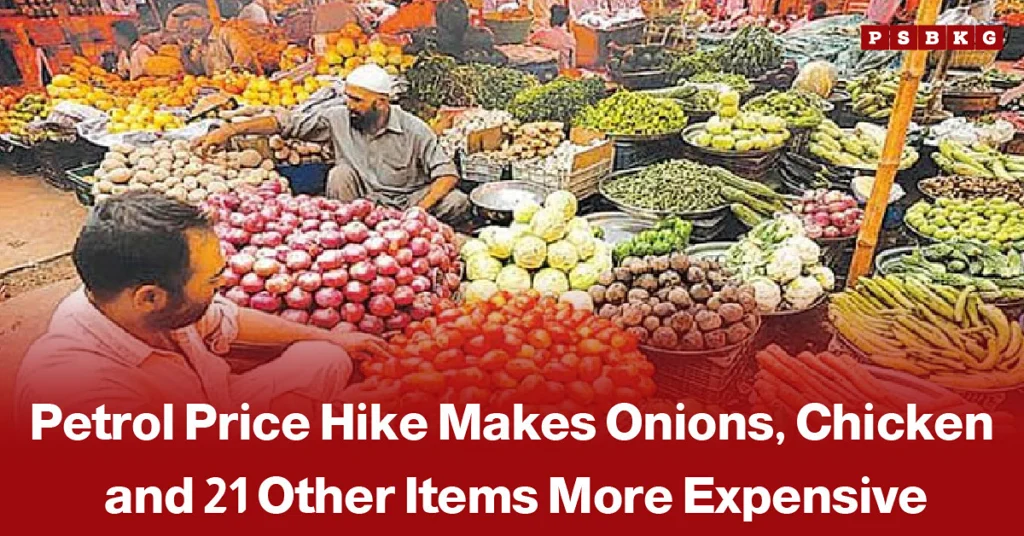
A rise in petrol prices rarely stays limited to fuel stations. When transportation becomes more expensive, its impact can gradually reach markets, shops, and household budgets. The latest increase in petroleum prices has reportedly pushed up the prices of onions, chicken, and 21 other commonly used items. For ordinary families, this means another round of pressure on monthly expenses.
Why Food Prices Go Up
Transport plays an important role in getting food from farms and suppliers to markets. Vegetables, meat, poultry, and other products often travel considerable distances before reaching consumers. When fuel costs increase, transporters face higher expenses. Those additional costs can eventually be reflected in wholesale and retail prices, leaving consumers to pay more.
Onions Among Affected Items
Onions are one of the everyday kitchen essentials affected by the latest price increase. The vegetable is used in a wide range of Pakistani dishes, so even a moderate rise can be noticed by households. For families already trying to manage tight budgets, increases in basic ingredients can make weekly grocery shopping considerably more difficult.
Chicken Prices Add More Pressure
Chicken is another important item facing higher prices. It has become a common source of protein for many households, particularly when other meat options are more expensive. A rise in poultry prices can therefore have a wider effect on food budgets. Restaurants and small food businesses may also face higher costs, which can eventually influence menu prices.
More Than Just Food
The reported increase has not been limited to onions and chicken. A total of 23 items have reportedly become more expensive following the petrol price hike. When several products rise at the same time, consumers can feel the impact much more strongly. Even small increases can add up when households purchase these products regularly.
Household Budgets Under Pressure
For many families, food and transportation already take up a significant share of monthly income. Higher petrol prices can put pressure on both sides of the household budget. People who travel to work or school may spend more on transport, while the same fuel increase can raise the cost of groceries. It becomes difficult to absorb the extra expense without cutting spending somewhere else.
Small Businesses Also Feel the Impact
The effect can also be seen among shopkeepers, restaurant owners, delivery workers, and other small businesses. Higher transportation and supply costs can reduce profit margins if businesses are unable to immediately increase their own prices. Some may eventually pass the additional cost on to customers, creating another layer of pressure for consumers.
Inflation Remains a Concern
The latest price movement highlights how closely fuel prices are connected with the wider cost of living. Petrol is used throughout the supply chain, so changes in its price can influence many parts of the economy. For consumers, the concern is not simply the price at the petrol pump. It is how that increase eventually appears in everyday shopping bills.
What Consumers Can Expect
The impact of the petrol price increase will depend on how long higher fuel costs remain in place and how markets respond. Prices can also vary between cities and markets depending on supply, demand, and transportation costs. For now, households are likely to keep a close eye on grocery prices as they adjust their spending to manage the additional burden.