
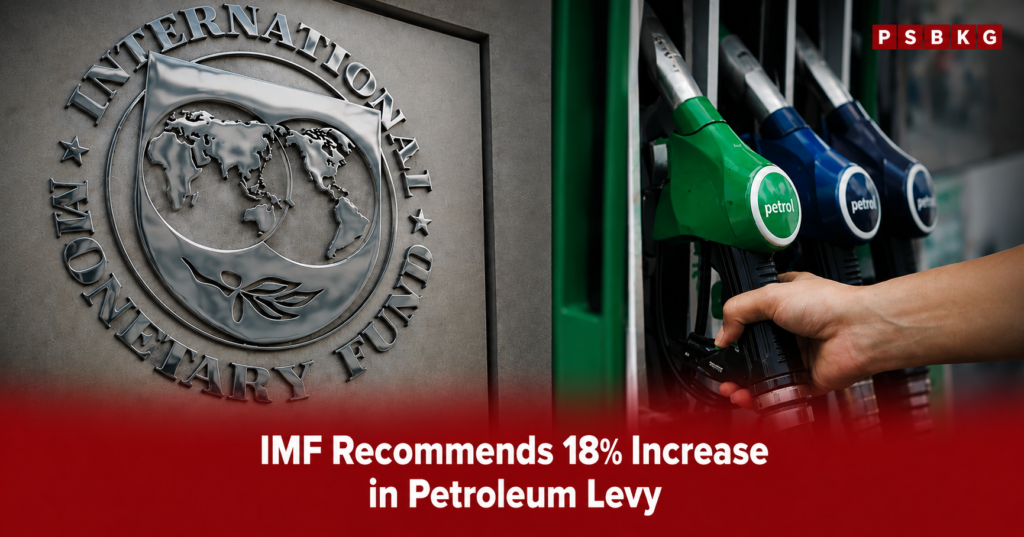
Latest News: The International Monetary Fund (IMF) has reportedly recommended an 18 percent increase in Pakistan’s petroleum levy, a proposal that could further impact fuel prices, inflation, and the country’s overall economic environment. The recommendation comes as Pakistan continues discussions related to economic reforms, revenue generation, and financial stabilization measures, and IMF recommends levy increase as part of broader fiscal adjustment considerations.
IMF Pushes for Higher Revenue Collection
According to reports, the IMF has advised Pakistan to increase the petroleum levy as part of broader efforts to strengthen government revenue. Petroleum levies are considered an important source of income for the national treasury, helping authorities manage fiscal deficits and meet financial obligations. The recommendation reflects the IMF’s focus on improving Pakistan’s tax and non-tax revenue framework. Officials believe stronger revenue collection is essential for maintaining economic stability and meeting reform targets agreed under international financial programs.
What Is Petroleum Levy and Why It Matters?
Petroleum levy is a government-imposed charge applied on petroleum products such as petrol and diesel. Unlike some taxes that fluctuate, this levy directly contributes to government revenue generation. In Pakistan, fuel prices are already a major concern for consumers because changes in petroleum costs affect transportation, electricity generation, industrial production, and daily household expenses. Any increase in levy can eventually influence the final price consumers pay at fuel stations.
Possible Impact on Fuel Prices and Inflation
Economic analysts warn that an increase in petroleum levy could place additional pressure on fuel prices. If implemented, higher petroleum charges may raise transportation costs, which often have a ripple effect across multiple sectors of the economy. Rising fuel expenses can lead to increased prices of food items, logistics services, manufacturing operations, and public transport fares. This chain reaction may contribute to inflation, making everyday necessities more expensive for ordinary citizens already facing financial challenges.
Public Concerns Over Cost of Living
The recommendation has sparked concern among consumers and businesses worried about the growing cost of living. Households across Pakistan continue dealing with inflationary pressure, rising utility bills, and increasing food prices. Many citizens fear that higher petroleum charges could further reduce purchasing power and increase financial strain on low- and middle-income families. Businesses, especially transport operators and manufacturers, are also monitoring the situation due to possible increases in operational costs.
Government Balancing Reforms and Public Pressure
Pakistan’s government faces the difficult task of balancing international financial commitments with domestic economic realities. While IMF-backed reforms often aim to improve long-term economic health, they can also create short-term challenges for consumers and businesses. Officials are expected to carefully review any recommendations before final policy decisions are taken. Authorities may also consider relief measures or pricing strategies to manage public reaction and economic impact.
IMF Program and Pakistan’s Economic Strategy
Pakistan’s engagement with the IMF has focused on fiscal discipline, structural reforms, and improving economic management. Recommendations involving taxation, subsidies, and revenue measures are often linked to broader economic stabilization goals. Supporters argue that such reforms are necessary for strengthening financial credibility and attracting investment. Critics, however, caution that excessive taxation or price increases can place heavy burdens on citizens during periods of economic hardship.
What Happens Next?
For now, discussions around the proposed petroleum levy increase remain closely watched by markets, policymakers, and the public. Any official decision regarding implementation could significantly influence fuel pricing, inflation trends, and economic sentiment in the coming months. As Pakistan continues navigating economic reforms, the balance between revenue generation and consumer affordability is likely to remain a major national issue.