

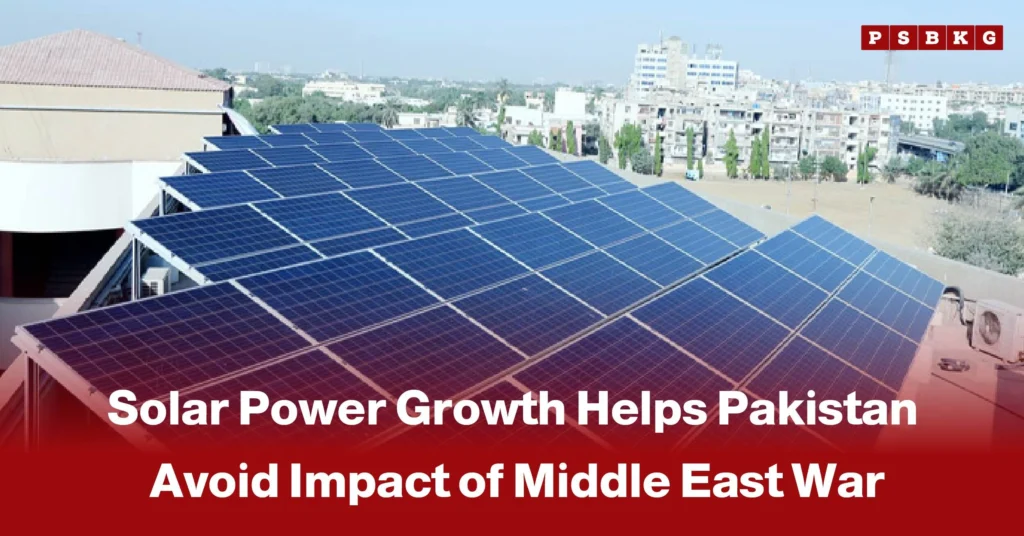
Solar Power Shields Pakistan
Latest News : Pakistan’s solar energy sector is quietly making a big difference. While tensions in the Middle East are driving fuel prices up globally, Pakistan has been able to stay relatively stable. Homes and industries relying on solar power are less affected. Experts say the timing couldn’t have been better. People are noticing the benefits without even realizing it. The country’s investment in solar energy seems to be paying off.
Rising Global Tensions
The ongoing conflict in the Middle East has sent shockwaves through energy markets. Oil and gas prices are rising, affecting many nations dependent on imports. Pakistan, however, has a growing renewable energy infrastructure. Solar and wind projects have reduced the reliance on expensive fuels. Analysts point out that such foresight is helping the economy stay afloat. Citizens feel the impact in a smaller, more manageable way.
Growth of Solar Projects
In recent years, Pakistan has seen a surge in solar installations. Rooftop panels in urban areas are becoming common. Large-scale solar farms are also coming online, providing electricity to cities and towns. This growth has created jobs and encouraged private investment. Communities are slowly embracing renewable energy. It’s a practical solution that also protects the country from external shocks.
Impact on Households
For many families, solar power means fewer worries about rising bills. People notice consistent electricity supply even when global fuel costs spike. Some households even generate extra energy they can sell back to the grid. The stability brings relief in a time when energy prices elsewhere are unpredictable. Children and students can study without power interruptions. The benefits are immediate and tangible.
Industries and Businesses
Manufacturing and commercial sectors are also seeing advantages. Solar energy helps keep production costs lower than competitors in fuel-dependent nations. Businesses can plan without worrying about sudden electricity surges. Many companies are adopting solar solutions voluntarily. Economists suggest that this could make Pakistan more resilient economically. Investors are paying attention to the shift.
Government Initiatives
The government has played a key role in promoting solar energy. Incentives, tax breaks, and supportive policies encourage both citizens and businesses to invest. Regulatory frameworks are gradually improving to streamline adoption. Officials stress that renewable energy is not just environmental, it’s strategic. Policies today are shaping a more energy-secure future.
Lessons from Solar Growth
The situation shows how local solutions can buffer global shocks. Pakistan’s solar adoption is not just about clean energy, it’s about resilience. Other nations are watching as an example of planning and foresight. Citizens see the tangible impact in bills, supply, and stability. It’s a reminder that investing in technology and infrastructure pays off, especially in uncertain times.
The Road Ahead
While challenges remain, the solar sector continues to expand. New projects, community initiatives, and innovative technologies are on the horizon. The combination of public and private efforts is crucial. Analysts suggest that renewable energy will remain a cornerstone of Pakistan’s energy strategy. The country can face external crises with confidence.