

Stylized logo showcasing "Breaking News" in bold red and black text, emphasizing urgency and importance of current events. latest news
Solar Power Eliminates Daytime Electricity Shortfall in Lahore Region 88th Death Anniversary of Allama Iqbal Being Observed Today

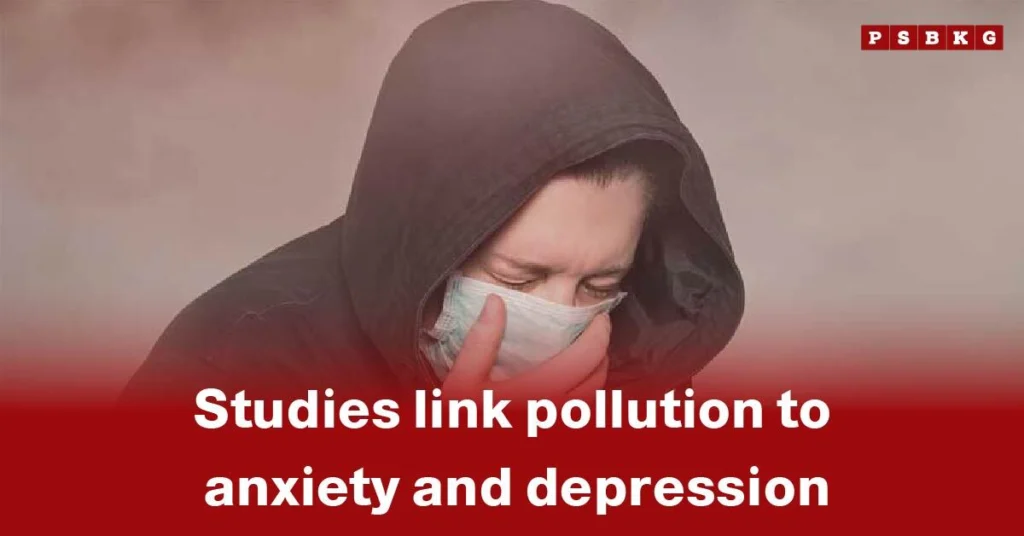
Studies link pollution to anxiety and depression

A person in a hooded jacket surrounded by a hazy atmosphere, illustrating how pollution is linked to anxiety and depression.

Studies Link Pollution to Anxiety and Depression

Latest News: Growing evidence shows that pollution linked to anxiety and depression affects mental health. Long-term exposure to polluted air, noise, and toxic chemicals can harm the brain and emotional well-being. As urban pollution rises, experts warn that mental health risks may increase.

Research Shows Strong Mental Health Connection

Several large studies show that pollution linked to anxiety and depression affects mental health. Research of thousands of participants found that people in areas with higher air pollution were more likely to develop depression and anxiety, with cases rising as pollution levels increased.

Fine Particles Pose the Biggest Risk

Experts say PM2.5, tiny particles in polluted air, have the strongest link to mental health issues, highlighting pollution linked to anxiety and depression. These particles come from vehicle exhaust, factories, and burning fuels. Long-term exposure can increase the risk of anxiety and depression, as they can enter the bloodstream and reach the brain.

Long-Term Exposure Raises Depression Risk

Scientific reviews show that pollution linked to anxiety and depression increases mood disorder risks. People exposed to higher pollution levels long-term may be up to 16% more likely to develop depression compared with those in cleaner environments.

Pollution May Trigger Brain Inflammation

Scientists believe pollution linked to anxiety and depression affects mental health through biological processes. Toxic particles can cause brain inflammation and oxidative stress, disrupting neurotransmitters that regulate mood and emotions. This can lead to anxiety, fatigue, irritability, and trouble concentrating.

Noise and Environmental Stress Also Play a Role

Air pollution isn’t the only concern—pollution linked to anxiety and depression also includes environmental noise. Traffic, trains, and aircraft noise can slightly increase the risk of anxiety and depression and contribute to long-term psychological stress.

Impact on Cities and Urban Populations

Urban residents face higher risks as pollution linked to anxiety and depression affects those exposed to traffic emissions, industrial pollution, and dense populations. Mental health professionals report that city dwellers often experience sleep disturbances, stress, and mood changes, especially during periods of poor air quality.

Children and Vulnerable Groups at Higher Risk

Children, older adults, and individuals with existing mental health conditions may be more vulnerable to pollution’s psychological effects. Studies show that early exposure to pollutants can affect brain development and emotional regulation, potentially increasing mental health challenges later in life.

Calls for Stronger Environmental Policies

Experts emphasize that improving environmental conditions could help reduce both physical and mental health problems. Scientists say stricter pollution control policies, cleaner transportation systems, and better urban planning could significantly lower the risk of pollution-related health issues worldwide.

Conclusion

Research increasingly shows that pollution is not just an environmental problem but also a mental health concern. Long-term exposure to polluted air and noise may increase the risk of anxiety, depression, and other psychological disorders. As awareness grows, many experts believe tackling pollution could become an important step in improving global mental health.


Share With Others

Popular Posts

Advertisement

Black Friday

Social Share

Facebook
Twitter
LinkedIn
Pinterest
WhatsApp
A smiling woman with long hair, wearing a pink cap and purple shirt, promotes a 50% off discount on new fashion styles. latest news

Related Articles: