

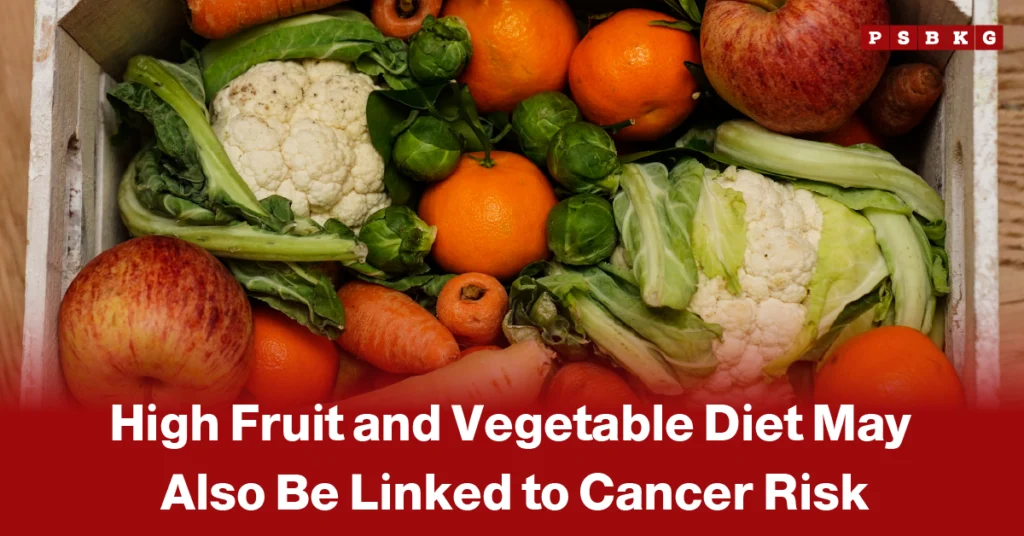
Latest News: Fruit Vegetable Cancer Study highlights a new discussion in nutrition research that has sparked attention after suggesting that even diets high in fruits and vegetables may have complex links with cancer risk. The idea is not that these foods are harmful, but that overall dietary patterns and balance may play a more important role than previously thought.
What the Study Suggests
Researchers exploring long-term eating habits have observed that extremely unbalanced diets, even when rich in plant foods, may not always guarantee lower cancer risk. The findings do not challenge the benefits of fruits and vegetables, but instead highlight the importance of variety and moderation in daily nutrition.
Role of Diet Balance
Experts emphasize that health outcomes depend on the full diet, not just one food group. A diet heavily focused on any single category, even healthy ones, may miss essential nutrients found elsewhere. Balance between proteins, fats, fiber, and micronutrients remains key to overall health.
Understanding the Cancer Link
Cancer risk is influenced by many factors, including genetics, environment, lifestyle, and diet. While fruits and vegetables contain antioxidants and protective compounds, they cannot alone eliminate risk. Scientists caution against oversimplifying nutrition science into “good” or “bad” foods.
Importance of Food Variety
Nutrition specialists often recommend a diverse diet that includes grains, proteins, dairy or alternatives, and healthy fats along with fruits and vegetables. This variety helps the body receive a broader range of nutrients needed for cell repair and immune function.
Misinterpretation of Findings
Some early interpretations of such studies can lead to confusion. Experts stress that fruits and vegetables remain essential for health and are strongly associated with reduced risk of many chronic diseases. The concern is about imbalance, not consumption itself.
What Health Experts Say
Medical professionals continue to recommend increasing fruit and vegetable intake as part of a healthy lifestyle. However, they also advise avoiding extreme dietary patterns that eliminate or overly depend on one food group.
Lifestyle Matters Too
Diet is only one part of cancer prevention. Physical activity, avoiding smoking, limiting alcohol, and maintaining a healthy weight are equally important. Health outcomes depend on a combination of long-term habits.
The Bigger Picture
Overall, the research adds nuance rather than contradiction to existing dietary advice. Fruits and vegetables remain beneficial, but they work best as part of a balanced and varied diet rather than in isolation.