
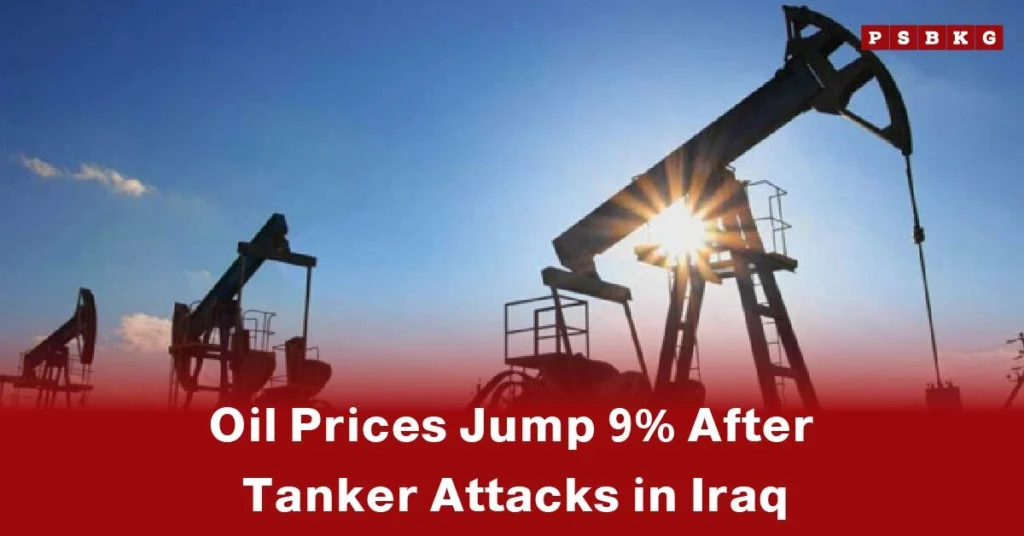
Latest News: Rising tensions in the Middle East pushed global oil markets into sudden turbulence after reports of tanker attacks in Iraq. Within hours of the incident, Oil Prices Rise After Attacks, climbing nearly nine percent in international trading. Energy analysts say the spike reflects growing fears about supply disruptions in one of the world’s most sensitive oil regions. While investigations into the attacks are ongoing, the market reaction shows how quickly geopolitical tensions can shake global energy stability.
Tanker Attacks Shake Energy Markets
The incident involved several oil tankers near key shipping routes linked to Iraq’s export infrastructure. Initial reports suggested explosions or damage from suspected attacks, though officials have not confirmed the cause. Traders reacted quickly, pushing benchmark oil prices higher amid concerns over supply line safety. The Middle East is a crucial oil-producing region, so even a limited attack can trigger global market shocks. This event contributed to Oil Prices Rise After Attacks.
Oil Prices Climb Nearly 9 Percent
Following the news, international crude oil prices jumped about nine percent in a single trading session. Brent crude and other major benchmarks saw their strongest daily rise in months. Market experts said investors quickly factored in the risk of further disruptions to tanker traffic and export facilities. Whenever transport routes become uncertain, traders often expect shortages, which alone can push prices higher. The surge reflects Oil Prices Rise After Attacks.
Concerns Over Supply Disruption
Energy analysts warn that tanker attacks could threaten a critical part of the oil supply chain: maritime transport. Iraq depends heavily on sea routes to export crude to international buyers. If tanker movements slow or insurance costs rise due to security concerns, shipments could face delays. Even short-term interruptions can tighten global supply, especially while demand remains strong in major economies. This risk contributes to Oil Prices Rise After Attacks.
Middle East Tensions Add Pressure
The attacks occurred amid already high geopolitical tensions in the Middle East. Ongoing conflicts, military activity, and political rivalries have created uncertainty for energy markets. Investors see such incidents as warnings that broader instability could disrupt oil production or transportation. As a result, traders react quickly to protect positions, which can amplify price movements. These factors help explain why Oil Prices Rise After Attacks.
Global Markets React Quickly
Financial markets worldwide reacted quickly after the reports surfaced. Energy stocks rose in some regions as oil companies could benefit from higher prices. Meanwhile, fuel-dependent industries, such as airlines and transportation companies, faced pressure from the prospect of increased costs. The ripple effect highlights how closely global economic activity ties to changes in oil prices. The situation reflects Oil Prices Rise After Attacks.
Governments Monitoring the Situation
Several governments and international agencies have started closely monitoring the developments. Officials are working to determine whether the tanker attacks were isolated incidents or part of a broader security threat. Maritime authorities are also assessing the safety of shipping lanes used for transporting crude oil. Ensuring safe passage for energy supplies remains a top priority for both regional governments and global markets.
Uncertainty Keeps Markets on Edge
For now, oil markets remain sensitive to any new information coming from the region. If further attacks occur or tensions escalate, prices could continue to climb. On the other hand, if authorities quickly restore confidence in shipping security, the market may stabilize. Energy analysts say the next few days will be crucial in determining whether the surge in oil prices is temporary or the start of a longer trend.
What This Means for Consumers
Higher oil prices often translate into higher fuel costs for consumers around the world. When crude prices rise sharply, petrol, diesel, and transportation costs tend to follow. Economists say this could add pressure on inflation in many countries if the price surge continues. For now, the tanker attacks serve as another reminder of how fragile the global energy system can be when geopolitical tensions escalate.