

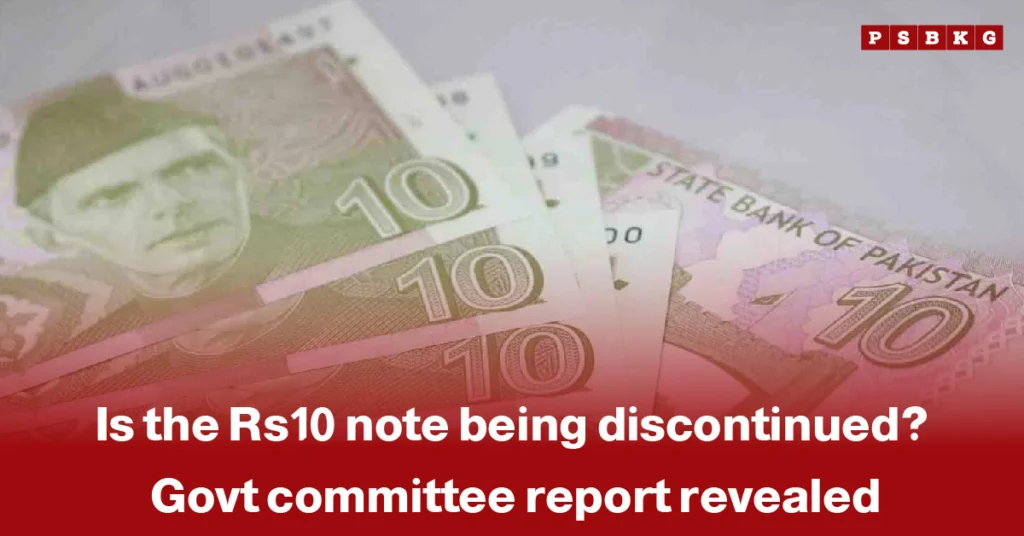
Govt committee report revealed
Latest News : There’s been growing chatter recently about whether the Rs10 note is being taken out of circulation in Pakistan, with many referring to it as a possible Rs10 note ban in Pakistan. A government committee has now shared its report on the matter, and it has stirred discussion among economists, shopkeepers, and everyday citizens. The idea of discontinuing a denomination always catches attention because it touches so many aspects of everyday life. After all, the Rs10 note is one of the most widely used pieces of currency in the country. The debate around a potential Rs10 note ban in Pakistan raises important questions about the reasons behind the move, the possible timeline, and what it would mean for the public.
What the Committee Report Says
According to the committee’s findings, the idea to discontinue the Rs10 note has been discussed, but no final decision has yet been made. Members of the report highlighted issues such as the rising cost of printing and maintaining lower-value notes. They also noted that coins and digital payments are gradually replacing small denomination notes in many transactions. However, the committee stopped short of recommending an immediate withdrawal. Instead, it suggested further study and public consultation before any major move. The report has therefore added fuel to a debate that was already gaining pace.
Why Smaller Notes Lose Ground
Lower denomination notes like the Rs10 note often face pressure from inflation and changes in spending habits. Over time, as prices rise, smaller notes become less useful for daily transactions. Many shopkeepers already prefer giving change in coins or rounding off amounts. Banks also spend money on printing, distributing, and replacing worn notes. The committee’s report noted that coins are more durable and cost-effective in the long run. Still, shifting away from a note that people have come to rely on requires careful planning and gradual changes in public behavior.
What This Means for Cash Users
For many Pakistanis, especially in rural areas and informal markets, cash is still king. The Rs10 note is used for chai, daily groceries, transport fares, and tips. Losing that note might not seem like a big deal to some, but for others it’s practical. People worry about whether enough coins will be available, or if they’ll face confusion when shopping. Digital payments are rising, but not everyone uses mobile wallets or cards regularly. The committee’s suggestion that public feedback is needed reflects these ground-level concerns.
Responses from the Public
Once details of the report on the possible Rs10 note ban in Pakistan began circulating, reactions poured in. Some people welcomed the idea, saying coins or digital systems would be easier in the long run. They argue that coins last longer and save government money over time if the Rs10 note ban in Pakistan moves forward. Others were skeptical, worried about shortages of coins or confusion among those less familiar with digital payments. Older citizens especially wondered whether change would become inconvenient at shops, tea stalls, and transport hubs. As always with money matters, opinions vary widely.
Views from Economists and Banks
Economic experts who’ve weighed in note that countries around the world gradually phase out smaller banknotes as economies modernize. They point to the cost of printing and security issues with low-value notes. Some say moving to coins or digital alternatives makes sense from a policy perspective. Banks, meanwhile, say they are ready to support whatever transition the government decides, but they urge clear communication and planning. The central bank has not yet announced any firm schedule or official policy change.
What Happens Next
For now, the Rs10 note continues to be legal tender and in use across the country. The committee report has not triggered an immediate ban or withdrawal. Instead, authorities are expected to review feedback from stakeholders before making any final call. More discussions between the finance ministry, central bank, and parliament are likely in the weeks ahead. Whatever eventually happens, officials say the process would be gradual and public-friendly to avoid disruption.
Everyday Impact and User Tips
If discontinuation does eventually happen, people may need time to adjust. Shops could start encouraging coins for small purchases. Banks might increase coin circulation and educate customers. Many users may adopt mobile payments even more quickly for low-value transactions. For now, though, the message from officials is simple: nothing has changed yet. The note is still valid, and there’s no sudden deadline looming. That reassurance matters for millions who use small notes every day.