
Rising Fuel Taxes Raise Concerns
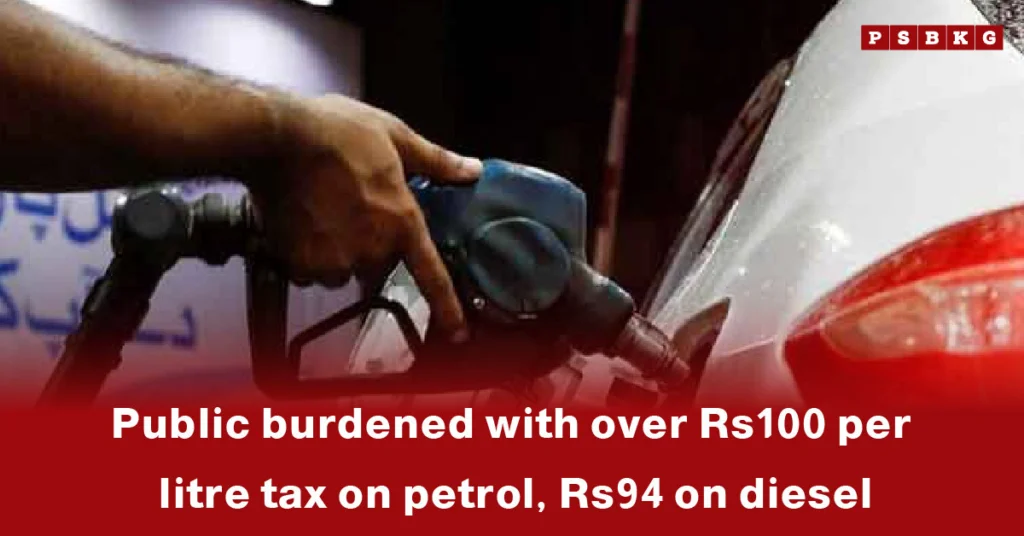
Latest News : Fuel prices in Pakistan have once again become a major topic of public concern, as reports suggest consumers are paying over Rs100 per litre in taxes on petrol and around Rs94 on diesel. The rising burden has added pressure on households already struggling with inflation and increasing living costs. For many citizens, fuel is not just about vehicles, it directly affects food prices, transport fares, and daily expenses. The revelation has sparked debate about petrol taxes in Pakistan and their impact on ordinary people. Questions are now being raised about whether such heavy taxes are sustainable for the public.
What Makes Up the Fuel Price
A significant portion of fuel prices comes from government taxes and levies rather than the base cost of petroleum itself. These include petroleum development levies, sales tax components, and other charges imposed by the Government of Pakistan. While authorities often justify these taxes as necessary for national revenue and economic management, critics argue that the burden falls disproportionately on common citizens. Understanding the structure of fuel pricing helps explain why even small increases in global oil prices can translate into sharp rises locally.
Impact on Daily Life
For ordinary people, higher fuel taxes mean more than just expensive petrol at the pump. Transportation costs rise, which in turn increases the prices of essential goods such as vegetables, flour, and other basic commodities. Public transport fares often increase, placing additional strain on low and middle income families. Small businesses that rely on delivery services also feel the pressure, as operational costs climb steadily. The ripple effect of fuel prices spreads quickly across the economy, touching nearly every aspect of daily life.
Businesses Feel the Pressure
The business community has also expressed concern over the growing tax burden on fuel. Industries that depend heavily on transportation and logistics face rising operational expenses, which can reduce profits or force price increases. Manufacturers, traders, and service providers often pass these costs to consumers, further contributing to inflation. Economic analysts warn that sustained high fuel taxes may slow business activity and reduce competitiveness. For a developing economy, balancing revenue generation with economic growth remains a delicate challenge.
Government’s Revenue Needs
Authorities maintain that fuel taxes are an important source of revenue for national development and fiscal stability. Funds generated through petroleum levies contribute to infrastructure projects, debt management, and public sector spending. Officials argue that reducing taxes could widen budget deficits and limit the government’s ability to provide services. However, critics say transparency in how these funds are used is essential to maintain public trust. The debate reflects the broader tension between revenue collection and public affordability.
Public Reaction and Debate
Public reaction to the high tax rates has been mixed but largely critical. Many citizens have voiced frustration over the rising cost of living, calling for relief measures and price reductions. Social media discussions highlight growing concern about economic pressures on households. Some economists suggest targeted subsidies or gradual tax adjustments to ease the burden. Others argue that structural reforms in the energy sector are necessary to achieve long term stability. The issue continues to fuel political and economic debate across the country.
Wider Economic Consequences
Fuel pricing plays a crucial role in shaping the overall economic environment. When energy costs rise, inflation often follows, reducing purchasing power and slowing consumption. Higher fuel prices can also affect investment decisions, as businesses become cautious about expansion. Experts warn that persistent increases may weaken economic recovery efforts and deepen financial challenges for vulnerable groups. The broader impact goes beyond immediate expenses, influencing long term economic trends and development prospects.
Calls for Policy Review
The growing concern over petrol taxes in Pakistan has led to calls for a comprehensive review of fuel pricing policies. Experts recommend exploring alternative revenue sources, improving energy efficiency, and reducing dependence on imported fuel. Policymakers face the challenge of balancing fiscal needs with public welfare. For citizens, the hope is for relief that eases financial pressure without compromising economic stability. As discussions continue, petrol taxes in Pakistan remain at the center of debates about affordability, fairness, and economic justice.