

A Big Promise for a Digital Future
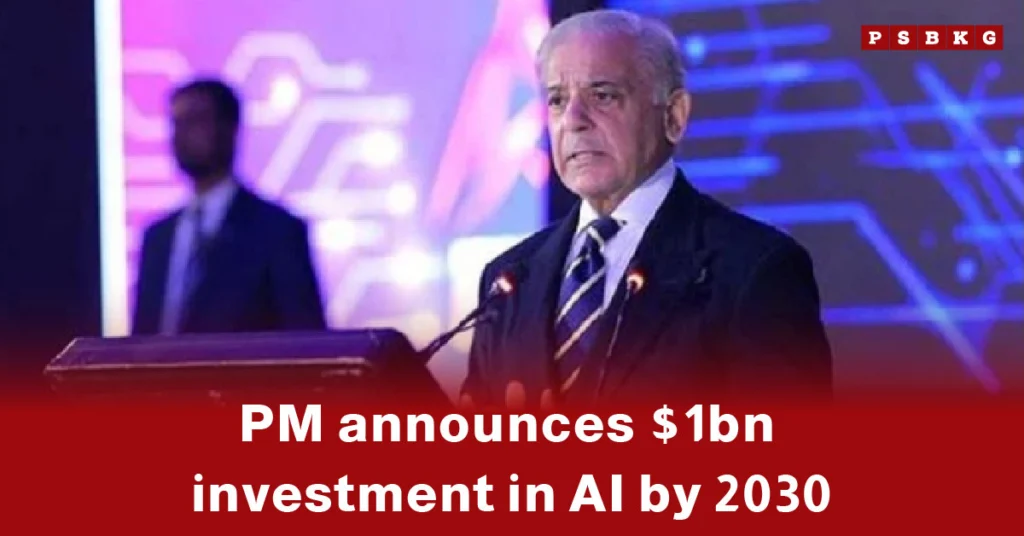
Latest News: The Prime Minister announced a one billion dollar Pakistan AI investment by 2030, marking a significant moment for the country’s technology ambitions. He spoke with optimism, positioning AI as a key driver of future growth. For a country still balancing basic infrastructure challenges with digital aspirations, the figure stands out. The government plans to spread the investment over several years, sending a clear message: Pakistan does not want to remain on the sidelines as the world moves deeper into automation, data-driven systems, and intelligent technologies.
Why AI Now
Artificial intelligence is no longer a distant concept reserved for advanced economies. It already shapes healthcare diagnostics, financial systems, agriculture planning, and public administration. The Prime Minister emphasized that delaying a Pakistan AI investment would widen the global gap further. He highlighted the country’s young population and growing tech workforce as strengths that can support this transition. The idea is simple but ambitious: invest now, build skills, and create systems that can compete regionally and globally. The announcement reflects a clear understanding that economic growth in the coming decades will rely heavily on technology rather than traditional industries alone.
What the Investment Aims to Do
According to initial outlines, the proposed Pakistan AI investment will focus on infrastructure, education, and innovation. The plan includes developing AI research centers, upgrading digital infrastructure, and supporting startups working in emerging technologies. Universities will play a central role, producing skilled graduates who can work with data, algorithms, and machine learning tools. The government also plans to apply AI within departments to improve efficiency and transparency. While these plans remain broad for now, they point toward a long-term vision rather than short-term gains.
Opportunities for Youth and Startups
For Pakistan’s tech youth, the Pakistan AI investment brings cautious hope. Many young developers already work in global markets through freelancing and remote jobs. An organized AI push could create local opportunities, reducing the need to seek work abroad. Startups focused on health tech, fintech, and agritech can benefit if funding and policy support reach them. However, expectations remain measured. Past initiatives have sometimes struggled with execution, and the success of this investment will depend on whether resources reach innovators on the ground or stay limited to policy documents.
Challenges That Cannot Be Ignored
Despite the positive tone, challenges for the Pakistan AI investment remain significant. AI development requires reliable internet, high-quality data, and sustained funding. Pakistan still faces issues with electricity, digital access, and uneven education standards. Experts warn that without addressing these basics, the investment may not deliver the expected results. Regulators also need to focus on ethical use, data privacy, and cybersecurity as AI systems expand. These areas require strong frameworks, not just financial commitments.
Global Context and Competition
Globally, countries race to secure leadership in AI, investing billions annually and integrating AI into defense, industry, and governance. Pakistan’s one billion dollar Pakistan AI investment may be modest in comparison, but it carries symbolic importance. It signals participation rather than dominance. The challenge lies in identifying niche areas where Pakistan can compete effectively. Regional collaboration, targeted research, and partnerships with private firms can help maximize the impact of limited resources. The Prime Minister’s announcement places Pakistan firmly within this global conversation, even as the road ahead remains demanding.
From Announcement to Action
As with many policy declarations, the real test lies in implementation. Timelines, transparency, and accountability will determine whether the investment reshapes Pakistan’s tech landscape or fades into rhetoric. Stakeholders, including educators, entrepreneurs, and policymakers, will need to coordinate closely. If managed well, the initiative could strengthen digital governance, create jobs, and boost exports. If mismanaged, it risks becoming another missed opportunity. For now, the announcement sets a direction. The next few years will reveal whether Pakistan can turn ambition into measurable progress in artificial intelligence.