

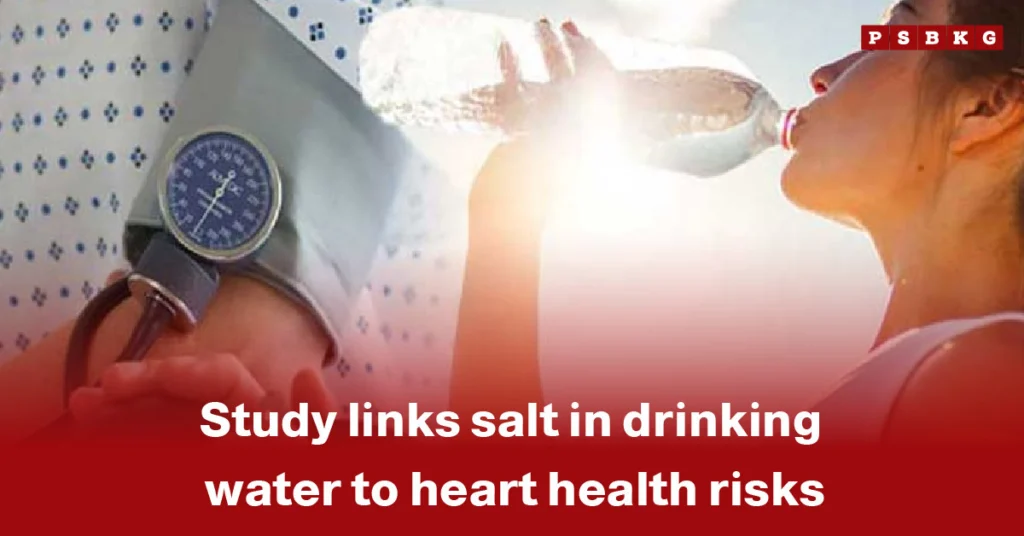
New Research Highlights Hidden Danger
Latest News : A recent study has found that high levels of salt in drinking water may pose serious risks to heart health. Researchers observed that prolonged consumption of saline water can contribute to hypertension and other cardiovascular problems. The study emphasizes that even moderate salt levels in water, when consumed over years, may increase the risk of heart disease. Scientists warn that people living in areas with naturally high water salinity should be particularly cautious. The findings add to growing evidence linking environmental factors to chronic illnesses. Experts say preventive measures are crucial.
Impact on Blood Pressure
One of the primary concerns raised by the study is the effect of salt-laden water on blood pressure. Increased sodium intake from drinking water can elevate blood pressure levels, putting extra strain on the heart. Hypertension is a well-known risk factor for heart attacks, strokes, and other cardiovascular conditions. The study notes that communities relying on groundwater or river water with high salinity are especially vulnerable. Health specialists recommend monitoring blood pressure regularly. Awareness about hidden sodium intake is key to prevention.
Long-Term Cardiovascular Risks
The research indicates that long-term exposure to salty drinking water can lead to serious cardiovascular issues. Over time, excess sodium affects arterial walls, reduces elasticity, and increases the risk of heart failure. The study highlights that even healthy individuals may experience cumulative effects after years of consumption. Scientists call for urgent public health interventions in high-risk areas. Education and community awareness programs are necessary to minimize long-term health impacts. Cardiologists stress early detection and lifestyle management.
Regions Most Affected
Areas with naturally saline groundwater or inadequate water treatment are most affected by this issue. Coastal and arid regions, where salt contamination is common, show higher incidences of heart-related illnesses. Researchers analyzed data from multiple regions to identify patterns linking water salinity to heart disease prevalence. They found a clear correlation between long-term salt exposure and increased cardiovascular events. Local authorities are being urged to provide safe drinking water. Public health policies need to prioritize water quality monitoring.
Recommendations for Residents
Experts recommend that residents in high-salinity areas take precautionary measures. Using water purification systems or reverse osmosis filters can significantly reduce salt content. Limiting additional dietary sodium can also help lower overall intake. Authorities advise regular health checkups and blood pressure monitoring. They should also educate communities about the risks of consuming untreated saline water. Authorities may need to subsidize filtration systems in vulnerable regions. Simple steps can substantially reduce cardiovascular risks.
Government and Policy Implications
The study underscores the importance of government intervention to address water salinity. Public health agencies are urged to monitor water quality across regions and implement treatment solutions. Policies should focus on providing safe drinking water and raising awareness about hidden health risks. Scientists recommend strict regulations for industries and agriculture that contribute to water contamination. Government initiatives can play a crucial role in protecting heart health at the population level. Strategic planning is essential for long-term impact.
Connection Between Diet and Environment
While dietary salt intake is well-known, the study highlights environmental sodium as an underestimated contributor to heart disease. Experts stress that drinking water can be a significant source of hidden sodium. This link reinforces the need for a comprehensive approach to cardiovascular health. Balancing diet, lifestyle, and environmental exposure is essential. Researchers suggest integrating water quality assessments into routine health screenings. Public understanding of environmental risks is still limited, making education crucial.
Future Research Directions
The study calls for further research to explore long-term health effects of saline water consumption. Scientists aim to develop region-specific guidelines for safe water consumption. Advanced monitoring techniques can help identify high-risk areas. Collaboration between health authorities, environmental scientists, and policymakers is essential. Longitudinal studies are needed to assess cumulative impacts over decades. Research can guide interventions that protect vulnerable populations. Evidence-based strategies are vital for effective prevention.
Conclusion
The link between salt in drinking water and heart health risks is gaining recognition among scientists and public health experts. Prolonged consumption of saline water can elevate blood pressure and increase cardiovascular risks. Residents in high-salinity areas must take preventive measures, including water purification and lifestyle adjustments. Governments and health authorities are urged to monitor water quality and implement protective policies. Public education and early intervention are key to reducing long-term health consequences. Ensuring safe drinking water is not just an environmental issue but a vital step in protecting heart health.