

Stylized logo showcasing "Breaking News" in bold red and black text, emphasizing urgency and importance of current events. latest news
Oil Prices Rise Globally After Israeli, US Actions Against Iran Trump Claims US Killed 48 Top Iranian Figures, Destroyed Military Command

Is Vegetable-Based Diet Healthy or Risky for Children?

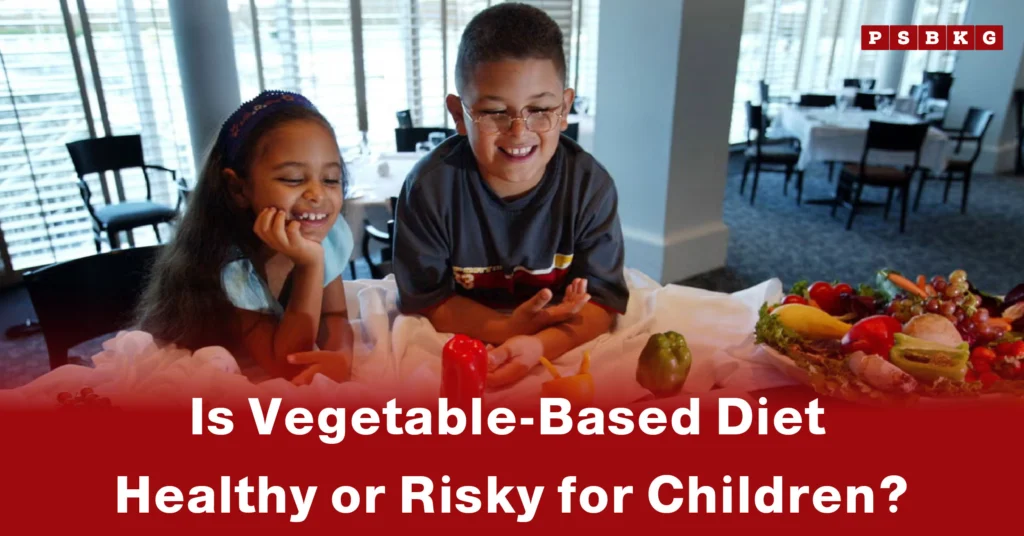
Two children sit at a table with an array of fruits and vegetables, highlighting the effects of a vegetable-based diet for children.

Rising Popularity of Plant-Based Diets

Latest News: In recent years, a vegetable-based diet for children has become increasingly popular among families. Many parents choose vegetarian or vegan diets for their children due to health, ethical, or environmental reasons. While these diets can be nutritious, questions arise about whether children can get all the nutrients they need without meat or dairy.

Nutrients That Matter Most

Children require a balance of proteins, fats, vitamins, and minerals for proper growth and development. Meat, eggs, and dairy naturally provide nutrients like vitamin B12, iron, calcium, and omega-3 fatty acids. In a vegetable-based diet for children, these nutrients are present in smaller amounts or in forms less easily absorbed by the body. Experts caution that without careful planning, deficiencies may arise.

Potential Benefits of Vegetable-Based Diets

When planned correctly, a vegetable-based diet for children can offer benefits. Vegetables, fruits, legumes, and whole grains provide fiber, antioxidants, and healthy carbohydrates. Such diets are associated with lower risks of obesity, diabetes, and heart disease later in life. Parents who focus on variety and fortified foods often see positive outcomes in their children’s health and energy levels.

Challenges and Risks

However, a poorly planned vegetable-based diet for children can be risky. Children may develop iron deficiency anemia, low vitamin B12 levels, or inadequate protein intake. Fat-soluble vitamins like A, D, and K may also be insufficient without supplementation. Growth, cognitive development, and immune function could be affected if nutrient gaps persist over time.

Strategies for Safe Plant-Based Eating

Pediatric nutritionists suggest careful planning for a vegetable-based diet for children to ensure they receive adequate nutrients. Including legumes, tofu, nuts, seeds, whole grains, and fortified dairy alternatives is essential. Vitamin B12 supplements, omega-3 from flaxseed or algae, and iron-rich foods like spinach or lentils can help. Regular monitoring of growth, blood tests, and dietary consultations are highly recommended.

Balancing Flexibility and Nutrition

Some families adopt a “flexitarian” approach, combining mostly plant-based foods with occasional eggs, dairy, or fish in a vegetable-based diet for children. This approach often reduces the risk of deficiencies while maintaining the health benefits of vegetables. Flexibility also makes it easier for children to enjoy a variety of foods and reduces the chance of picky eating or nutrient gaps.

Parental Observations and Challenges

Parents often face practical challenges in maintaining a vegetable-based diet for children. Children may resist certain foods or struggle to meet daily protein requirements. Family meals may require additional planning and creativity. Despite the challenges, many parents report positive effects on digestion, energy, and overall health when the diet is carefully managed.

Expert Opinions on Child Nutrition

Pediatricians generally agree that a vegetable-based diet for children can be healthy if properly structured. Experts stress that parents must understand nutrient requirements and provide supplementation where needed. Monitoring weight, growth patterns, and lab tests is critical to identify deficiencies early and prevent long-term health issues.

Cultural and Ethical Considerations

For some families, vegetarianism is not just a health choice but a cultural or ethical decision. Respecting these values while safeguarding children’s nutrition requires careful planning. Education about suitable food combinations, fortified products, and supplements can make the diet both ethical and nutritionally adequate.

Conclusion

Vegetable-based diets for children can be healthy, but they are not without risks. Careful planning, variety, and supplementation are key to ensuring proper growth and development. Parents considering such diets must be mindful of essential nutrients and consult healthcare professionals. With the right approach, children can enjoy the benefits of plant-based eating while staying strong and healthy.


Share With Others

Popular Posts

Advertisement

A promotional graphic featuring a stylish motorcycle helmet, urging riders to protect their heads and wallets with discounts. latest news.

Black Friday

Bold text advertises a "Big Sale" with discounts up to 30% off, set against a soft pastel background. Latest News.

Social Share

Facebook
Twitter
LinkedIn
Pinterest
WhatsApp
A smiling woman with long hair, wearing a pink cap and purple shirt, promotes a 50% off discount on new fashion styles. latest news

Related Articles: