
Tension on the Water
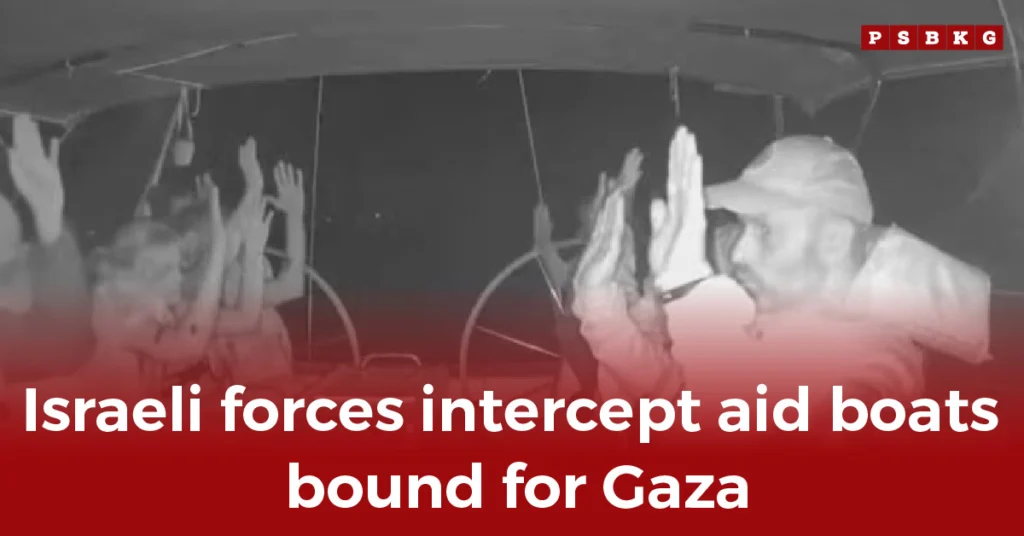
Latest News : The sea has become another front line in the Gaza crisis. Reports confirmed that Gaza aid boats intercepted by Israeli forces were attempting to reach Gaza, a move that instantly drew attention from activists, governments, and humanitarian organization’s around the world. The incident highlights the growing desperation in Gaza, where shortages of food, fuel, and medicine have become unbearable. It also underscores the difficulty of delivering aid in one of the most tightly controlled regions on earth.
The Background of the Blockade
For years, Gaza has lived under a blockade that limits the flow of goods and people. Israel defends the blockade as a necessary security measure, arguing that weapons could otherwise enter the territory under the cover of humanitarian supplies. Palestinians and aid groups, however, say it amounts to collective punishment, strangling civilian life and deepening the humanitarian crisis. The recent Gaza aid boats intercepted incident is part of a larger history of activists trying to break through the restrictions, often sparking dramatic confrontations at sea.
What Happened During the Interception
Details of the latest incident remain contested. Activist groups claim their boats carried only food and medical supplies, destined for families trapped in Gaza. Israeli officials say the interception was carried out to ensure that no prohibited materials were being smuggled. The vessels were reportedly redirected to an Israeli port for inspection. No major clashes were reported, but the symbolism of the act was powerful. For those on board, the journey was about more than aid, it was a protest against policies they see as unjust and inhumane.
International Response and Criticism
Almost immediately, reactions poured in. Human rights organizations condemned the Gaza aid boats intercepted, calling it another example of how Gaza’s humanitarian needs are sidelined by security concerns. Several governments expressed worry that blocking aid efforts will only fuel tensions further. On social media, images of the boats and testimonies from passengers spread quickly, reigniting debates about the legality and morality of the blockade. For Israel’s allies, the event created uncomfortable questions about balancing support for Israeli security with concerns about humanitarian suffering.
Gaza’s Worsening Crisis
The backdrop to all this is Gaza’s deepening humanitarian crisis. Hospitals run short of medicine, electricity is limited to a few hours a day, and unemployment remains staggering. For families, survival has become a daily struggle. Aid convoys through land crossings often face delays, leaving sea routes as a symbolic alternative, even if rarely successful. Every intercepted boat becomes a reminder of how trapped the population feels. Activists argue that even if the supplies are small, the act of challenging the blockade keeps global attention on Gaza’s plight.
The Political Ripple Effect
Incidents like the recent Gaza aid boats intercepted rarely remain isolated. They ripple outward into politics and diplomacy. For Israel, allowing any breach of the blockade is seen as a security risk that could embolden militants. For Palestinians, each interception strengthens the narrative of being isolated and unheard. Internationally, allies and critics alike are forced to respond, sometimes reluctantly. The episode illustrates how every move in this conflict, even a small boat carrying food, becomes a political event with consequences far beyond the shores of Gaza.
What Comes Next
The interception may not be the last. Activist groups often pledge to try again, saying that the moral weight of delivering aid outweighs the risks. For Israel, the commitment to enforce the blockade remains firm. The people of Gaza, meanwhile, continue to wait for solutions that never arrive. Whether through negotiation, international pressure, or grassroots movements, the struggle over aid deliveries, including the recent Gaza aid boats intercepted, is far from finished. What is clear is that the sea, like the land, remains a contested space where humanitarian needs clash with security fears, leaving ordinary people to bear the burden.