
A diplomatic remark with weight
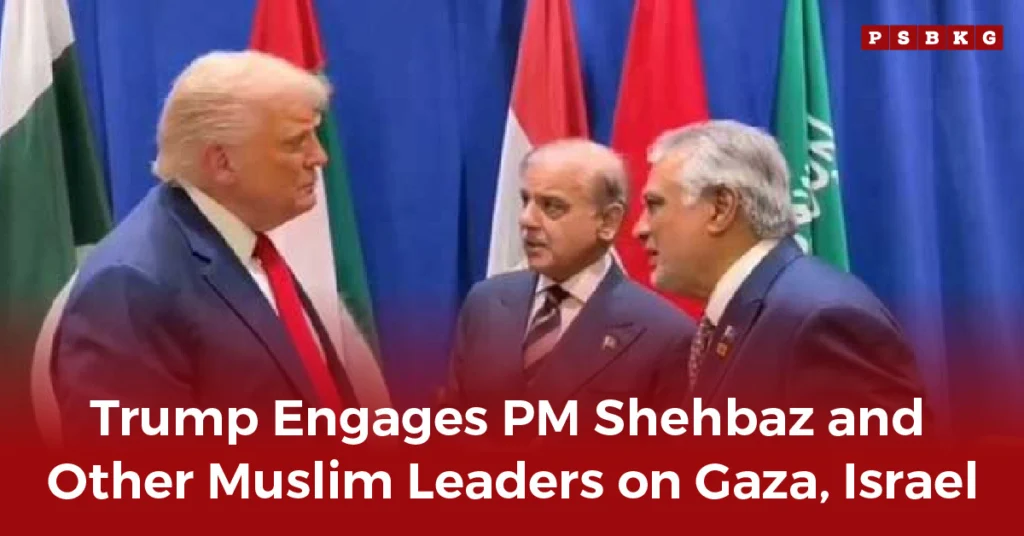
Latest news : Prime Minister Shehbaz Sharif described the US President as a “proponent of peace,” a statement that drew attention both at home and abroad. The words were delivered in a calm, diplomatic tone, yet they carried significance, especially given the turbulence of global politics. Pakistan and the United States have shared a long and complicated relationship, and Shehbaz’s remark signaled that Islamabad sees value in acknowledging Washington’s role in promoting stability.
Context behind the statement
The comment came during a moment when global conflicts dominate headlines, from Ukraine to Gaza. Pakistan has often found itself balancing its foreign policy between major powers, carefully weighing words to avoid leaning too far to one side. By calling the US President a voice of peace, Shehbaz Sharif not only expressed respect but also positioned Pakistan as supportive of diplomacy over confrontation. Analysts believe the statement was as much about maintaining strong bilateral ties as it was about global affairs.
A gesture toward stronger ties
In Pakistan’s diplomatic culture, words matter deeply. Praising a world leader, especially the US President, is rarely accidental. Shehbaz Sharif’s remark was read as a gesture of goodwill, possibly aimed at improving communication and cooperation between the two countries. Economic challenges at home, as well as regional security concerns, make Washington an important partner for Islamabad. Acknowledging the US President’s role in advocating peace may help build a bridge for dialogue on trade, defense, and regional stability.
Linking peace to Pakistan’s priorities
For Pakistan, peace is not an abstract principle but a practical necessity. The country has faced decades of conflict, instability, and economic hardship. When Shehbaz Sharif referred to the US President as a voice of peace, he also linked the idea of peace to Pakistan’s own goals. Stability in South Asia, a resolution in Afghanistan, and calm in the Middle East all directly affect Pakistan’s future. Aligning with global leaders who emphasize peace strengthens Islamabad’s message that diplomacy, not conflict, must guide international relations.
Reactions at home and abroad
Reactions to the statement were varied. Supporters said it was wise for Shehbaz Sharif to highlight the positive role of the US President, noting that Pakistan needs international support during its economic recovery. Critics, however, questioned whether such praise might dilute Pakistan’s independent stance, particularly on sensitive issues like Palestine or its relationship with China. On social media, the statement sparked debates, with some users welcoming a softer tone in foreign relations while others called for more cautious language.
Historical backdrop of Pak-US relations
Pakistan’s relationship with the United States has been full of ups and downs. From Cold War alliances to post-9/11 cooperation, to more recent disagreements over regional security, the partnership has often been complicated. Yet through it all, Washington has remained a major player in Islamabad’s foreign policy. By framing the US President as a voice of peace, Shehbaz Sharif added a conciliatory note to a long and sometimes strained history. Observers believe it was a deliberate attempt to highlight common ground rather than differences.
The peace narrative in global politics
What it means for Pakistan’s image
For Pakistan, international perception matters. Positive remarks about the US President signal that Islamabad is willing to engage constructively with global powers. It sends a message to investors, partners, and allies that Pakistan is not isolated but part of the broader push for diplomacy. While words alone cannot resolve complex issues, they help create an environment where dialogue becomes possible. Shehbaz Sharif’s statement, therefore, was not just about complimenting a leader but about shaping Pakistan’s image.
Looking toward future engagement
Whether this statement leads to tangible outcomes remains to be seen. Pakistan faces urgent challenges at home, from inflation to governance, while also navigating regional complexities. Strong ties with Washington could provide economic and diplomatic benefits. By presenting the US President as a promoter of peace, Shehbaz Sharif may have laid groundwork for future discussions. The real test, however, will be whether both countries can turn words into action.