
Voting day brings local contests into focus
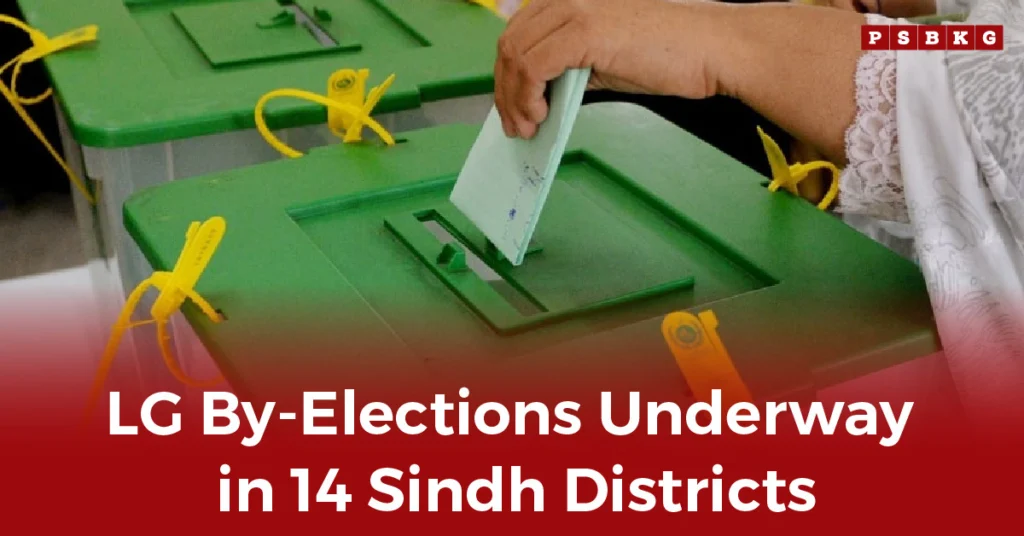
Latest news : The local government Sindh LG by-elections are taking place across 14 districts of Sindh, drawing thousands of voters to polling stations. From early morning, men and women were seen queuing outside schools and community halls that have been turned into polling sites. These contests might not carry the glamour of national elections, but they matter deeply to people at the grassroots. It is here, in the day-to-day lives of residents, that the impact of local representatives is most visible.
A democratic exercise in smaller towns and villages
By-elections usually happen when seats fall vacant because of resignations, disqualifications, or other shifts in the political landscape. In Sindh, the significance grows larger because so many communities rely on local councils to raise their concerns. Roads, water supply, garbage collection, even local health facilities often come under the watch of these councils. For many citizens, the national leadership feels distant, while the local councillor is the one they expect to respond. That makes today’s voting far more than a routine exercise.
Security and polling arrangements
Why these by-elections carry weight
Political analysts believe that while these polls won’t shift provincial power dramatically, they still carry symbolic weight. For ruling parties, the results are a test of credibility. For the opposition, they are a chance to show presence and reconnect with voters. In districts where margins are narrow, even a single ward can determine control of a local council. These contests also serve as a preview of what might happen in bigger electoral battles ahead. It’s a political temperature check in Sindh, and both sides are watching closely.
Grassroots politics in action
Local government elections have always been about direct engagement. Unlike provincial or national assemblies, where representatives are seen on television screens, councillors are usually known by name in their neighborhoods. They live close by, and voters expect to approach them with everyday complaints. That is why candidates often campaign door to door, sitting with families and listening to grievances. It’s a reminder that democracy is not only about large rallies and big speeches but also about conversations over tea in small courtyards.
Voter sentiment on the ground
Interviews with voters across different districts show mixed sentiments. Some said they were frustrated with promises left unfulfilled by previous representatives, yet they turned up at the booths because they wanted their voices to be heard. Others expressed hope that the new councillors would address urgent needs like street lighting, drainage systems, and better schools. Many young voters described the experience as empowering, especially those casting ballots for the first time. The turnout among women was also being closely observed, since their participation is often seen as a key measure of inclusiveness.
The broader democratic picture
Pakistan’s democratic journey has always been shaped by local governance. Sindh, with its mix of urban and rural populations, reflects the challenges and opportunities of this system. While national debates focus on foreign policy or the economy, it is often the local bodies that directly affect lives. Today’s by-elections highlight this fact again. Small victories here can strengthen trust in institutions, while poor performance can erode confidence. Observers believe this is why maintaining transparency and credibility is just as important as the results themselves.
Looking ahead to the results
As polling continues through the day, attention is already turning to the results that will follow. Whether margins are wide or narrow, each seat will matter to the local communities involved. Winning candidates will carry the responsibility of turning promises into action, a challenge that has often been neglected in the past. Political parties, meanwhile, will take lessons from the outcomes, adjusting their strategies for the future.