

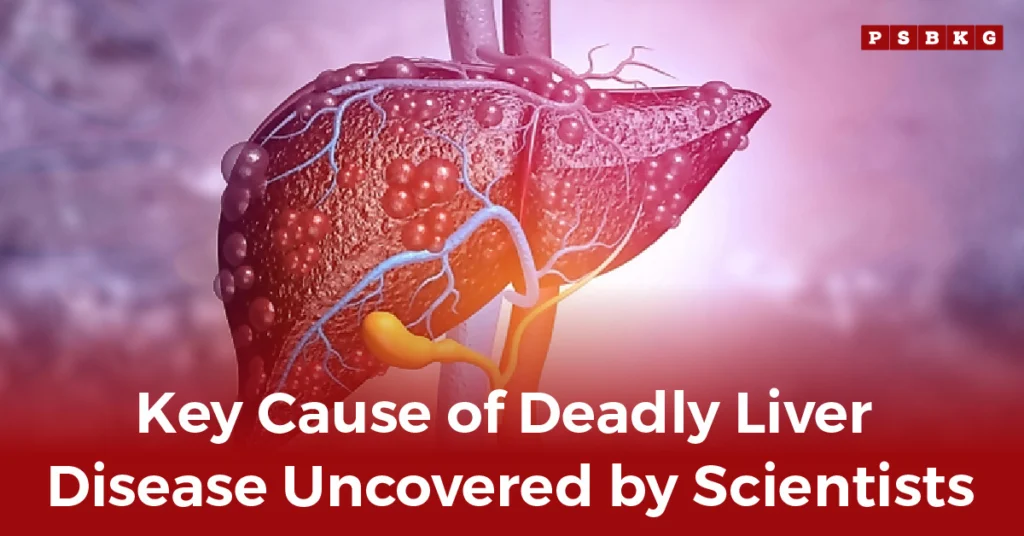
Harmful Gut Bacteria Linked to Liver Cancer Surge
Latest News: Scientists have revealed that harmful gut bacteria could be driving the rise in deadly liver disease and cancer, highlighting a new risk factor beyond alcohol consumption. Poor diets and obesity were found to significantly increase fat in the liver, escalating the threat of liver damage.
Death Rates Continue to Rise
According to the British Liver Trust, liver disease is the only major disease in the UK where death rates are still rising, with figures quadrupling over the past 50 years. Experts warn that without early detection and intervention, the crisis will worsen.
Breakthrough Study in Canada
In a study published in Cell Metabolism, Canadian researchers identified a molecule produced by gut bacteria that prompts the liver to generate excess sugar and fat. Lead author Professor Jonathan Schetzer from McMaster University called the discovery a “completely new way to treat metabolic diseases like fatty liver disease.”
The Role of D-Lactate
The study revealed that obese individuals have elevated levels of a gut microbe–derived molecule called D-lactate. Unlike the well-known L-lactate, D-lactate more aggressively raises blood sugar and liver fat, increasing the risk of serious damage and disease progression.
Innovative Gut Trap Treatment
To combat this effect, scientists developed a biodegradable “gut substrate trap” that binds to D-lactate and prevents its absorption. Tests on mice showed lower blood glucose, improved insulin resistance, and reduced liver inflammation and fibrosis, without changes in diet or body weight.
Rising Threat of MASLD
One of the most common forms of liver disease, metabolic dysfunction-associated steatotic liver disease (MASLD), affects about one in five people in the UK. Caused by fat buildup in the liver, MASLD can progress to cirrhosis, liver failure, or cancer if left untreated.
Experts Urge Early Action
Health experts stress that liver damage is not only caused by alcohol, but also by poor diet and uncontrolled blood sugar. Symptoms are often silent until late stages, making early testing vital. Last year alone, over 11,000 people died from liver disease in the UK—many cases preventable with lifestyle changes and timely treatment.