
Pakistan Urges UN Action Over Israeli Aggression in Qatar
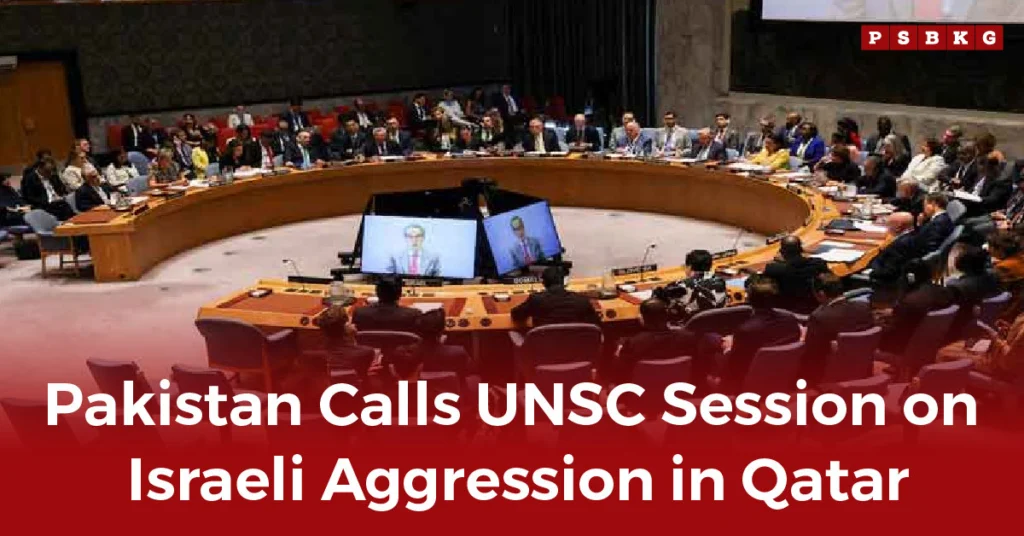
Latest News: In a decisive move, Pakistan UNSC session was called for by Pakistan following what it described as Israel’s unprovoked and illegal aggression in Qatar. Deputy Prime Minister and Foreign Minister Ishaq Dar emphasized the seriousness of the situation, stressing that immediate attention from the Security Council is needed.
Coordinating with Algeria and Somalia, Pakistan pushed for this urgent session, reflecting concern not just for regional stability but also for upholding international law. Dar reiterated Pakistan’s full solidarity with Qatar, promising unwavering support to the government and its people during this tense period.
Prime Minister Expresses Solidarity
The government’s response came swiftly. Prime Minister Shehbaz Sharif personally contacted the Emir of Qatar, condemning the attacks and conveying complete solidarity. In times like these, diplomatic gestures can have a tangible impact, helping reassure affected nations and signaling that the international community is paying attention. While words alone cannot prevent conflict, they can pave the way for dialogue, and Pakistan has consistently positioned itself as a voice for restraint and diplomacy.
Strengthening UN Peacekeeping Missions
Beyond reacting to immediate events, Pakistan also highlighted the importance of effective United Nations peacekeeping. Ambassador Asim Iftikhar Ahmad, Pakistan’s permanent representative to the UN, stressed that peacekeeping missions must be strengthened, better equipped, and given clear, achievable mandates.
Peacekeeping: A Tool for Dialogue and Stability
Ambassador Ahmad stressed that peacekeeping is one of multilateralism’s most effective instruments. Missions should not only sustain ceasefires but also deter escalation and foster dialogue. The Secretary-General’s good offices and preventive diplomacy are vital in this regard.
Pakistan’s message was clear: the international community cannot afford inaction. A robust peacekeeping system isn’t just desirable, it is essential for resolving disputes and maintaining global stability. Strengthening these missions is as much about preventing wars as it is about building trust and cooperation among nations.
Multilateral Responsibility
This call to action also reflects a broader vision. Pakistan underscored that every member state has a stake in the success of peacekeeping. Ambitions for regional or global stability cannot rest on a few countries alone. Shared responsibility is necessary to make peacekeeping not just reactive, but proactive and fit to handle future challenges in a rapidly changing world.