
A Quiet Shift With Big Economic Meaning
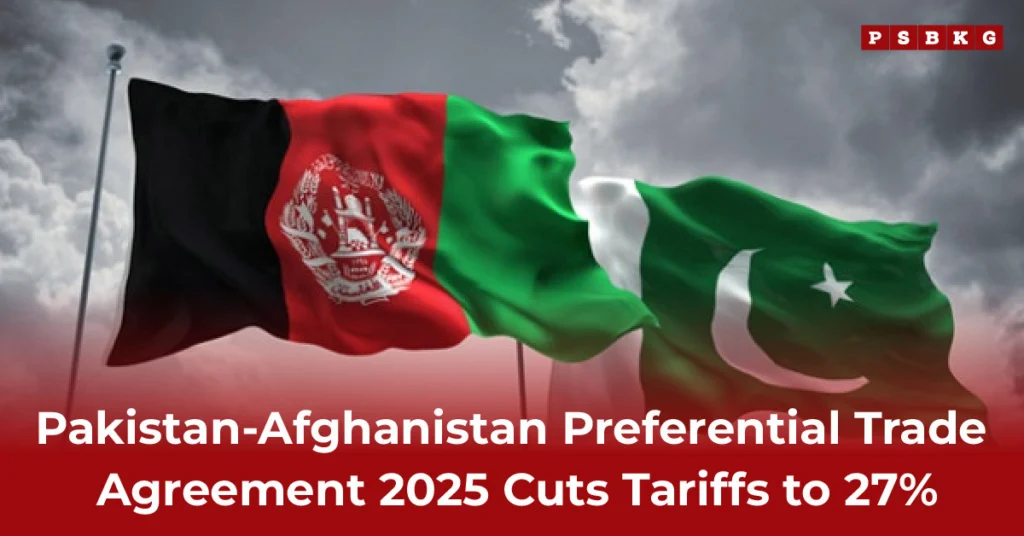
You wouldn’t have found loud headlines about it, but something meaningful happened between Pakistan and Afghanistan this week. In Islamabad, during a relatively low-key meeting, both sides put pen to paper on a new Preferential Trade Agreement. The deal falls under the broader Pakistan Afghanistan Trade Agreement 2025, and though it might sound like another bureaucratic announcement, it directly affects farmers, traders, and even your local fruit seller.
Eight Fruits, One New Tariff: 27%
Let’s get straight to the point. The two countries have decided to reduce import tariffs on eight fruits to 27%.
These include:
Apples, Grapes, Pomegranates, Melons, Peaches, Plums, Apricots, and Persimmons
Most of these are grown in Afghanistan and usually find their way into Pakistani markets, often through unofficial means. That may change now.
Ending the Smuggling Route?
It’s no secret that cross-border fruit trading hasn’t always followed legal pathways. Before the Pakistan Afghanistan Trade Agreement 2025, high tariffs made smuggling more appealing than going through customs.
But a 27% duty changes the game. Legal trade is now cheaper, faster, and safer, for both Afghan exporters and Pakistani importers.
That means more trucks going through proper checkpoints, more revenue for both governments, and perhaps fewer under-the-table deals.
Why This Matters to Ordinary People
Farmers in Afghanistan often don’t have the resources to deal with multiple checkpoints or informal costs. The Pakistan Afghanistan Trade Agreement 2025 gives them a cleaner, more direct route to the market.
For fruit wholesalers in cities like Peshawar and Quetta, this change could be a relief. With lower tariffs now in place, buying and storing imported fruit may become easier, with fewer surprise costs, smoother border crossings, and more consistent pricing.
The Bigger Picture: Regional Stability Through Trade
In a region often defined by tension, every signed agreement is a small win. Officials hope this trade pact won’t just reduce smuggling, but also create jobs, improve transparency, and increase trust between the two countries.
You might say it’s fruit diplomacy in action.
More on the Way? Probably
Although the current focus is just on eight fruit items, insiders believe this is only Phase One. Talks are already underway about extending tariff relief to other agricultural products, possibly even textiles or processed foods.
If both sides stay committed, the Pakistan Afghanistan Trade Agreement 2025 could grow into something far more powerful: a true economic corridor.