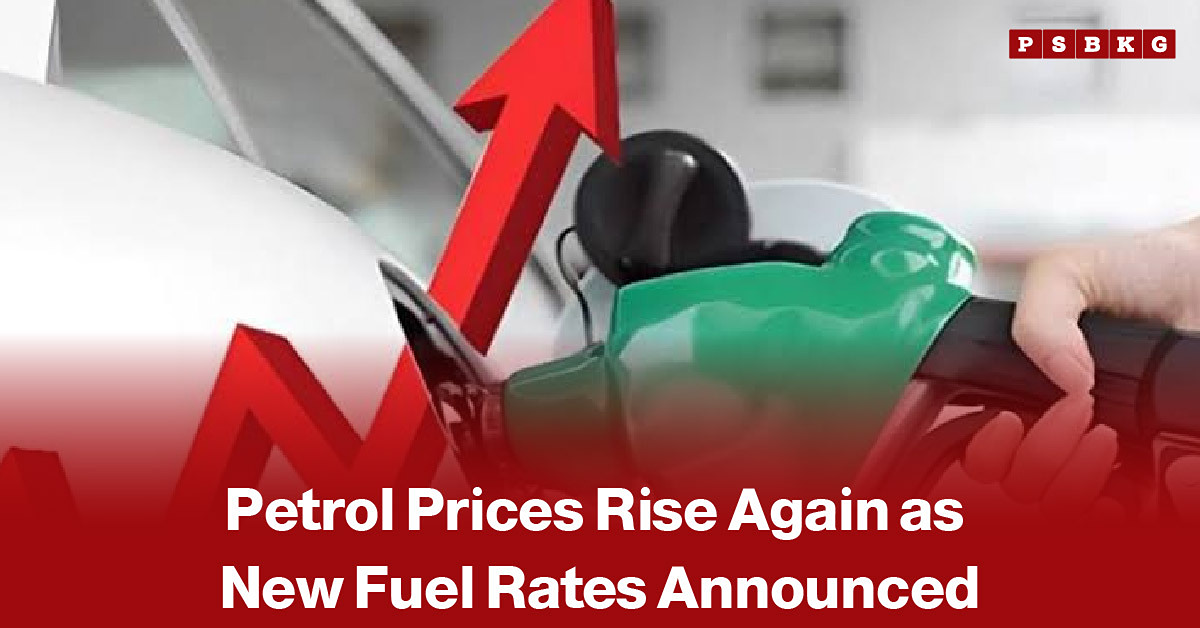



The federal government of Pakistan collected Rs1,126.34 billion in petroleum levy during the first nine months of 2026, from January to September. The amount is more than Rs1,100 billion and represents an increase of over 8% compared with the same period last year. According to official figures reported on November 23, 2026, the government collected Rs1,042.41 billion in petroleum levy during January to September 2025. This means the latest collection was Rs83.93 billion higher than last year’s figure.
Total Collection Reaches Rs1,173 Billion
Apart from the petroleum levy, the government collected another Rs46.93 billion through the Climate Support Levy during the same nine-month period. When both collections are combined, the total revenue from these two levies reached Rs1,173.27 billion between January and September 2026. The figures show how much revenue the government is generating through charges on petroleum products, including petrol and diesel.
Petroleum Levy Collection Increases by 8%
The petroleum levy collection increased by 8.05% compared with the corresponding period in 2025. The government received Rs1,126.34 billion in the first nine months of 2026, compared with Rs1,042.41 billion during the same period last year. Petroleum levy is an important source of non-tax revenue for the federal government. Unlike some other federal tax collections, this revenue remains with the federal government and is not distributed to provinces through the National Finance Commission formula.
How Much Levy Are Consumers Paying?
According to the latest reported rates, the government is charging a petroleum levy of Rs80 per litre on petrol and high-speed diesel. For petrol, Rs62.94 per litre is collected from consumers, while refineries contribute the remaining Rs17.06 per litre. The petroleum levy on high-speed diesel is also Rs80 per litre. Consumers are also paying a separate Climate Support Levy of Rs5 per litre on both petrol and diesel. These charges add to the overall cost of fuel.
Government Sets Higher Revenue Target
The federal government has set a target of collecting around Rs1,727 billion through petroleum and climate support levies during the current fiscal year. For comparison, petroleum levy collection reached Rs1,567.45 billion during the 2025-26 fiscal year. The government also collected Rs50.16 billion separately through the Climate Support Levy during that period. The latest figures indicate that petroleum-related charges continue to play a major role in meeting the government’s revenue targets.
Impact on the Public
Petroleum levies increase the amount consumers pay when purchasing fuel. Higher fuel costs can also affect transport fares, goods delivery, agricultural activities and business operations. People who depend on motorcycles, cars and public transport can feel the impact of changes in fuel prices and related charges. Businesses may also face higher operating and transportation expenses. The latest collection figures highlight the government’s reliance on petroleum-related revenue, while consumers continue to face pressure from fuel costs and the wider cost of living.