

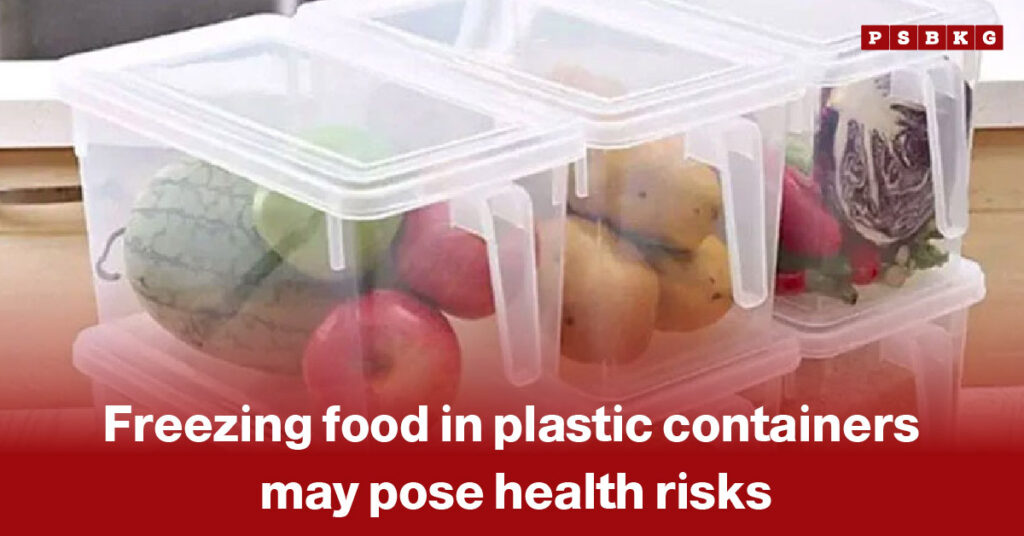
Latest News: Health experts have raised concerns that freezing food in certain types of plastic containers may pose potential health risks, especially when low-quality or non-food-grade plastics are used for long-term storage.
Why Plastic Containers Are Under Review
Plastic food containers are widely used for freezing and storing meals due to their convenience and low cost. However, experts say not all plastics are designed to withstand very low temperatures or repeated freezing conditions.
Possible Chemical Leaching Risks
One of the main concerns is the potential for chemicals to leach from plastic into food over time. When exposed to freezing and thawing cycles, some plastics may degrade, increasing the chance of contamination. Experts warn that this risk may be higher when containers are old, scratched, or not labeled as freezer-safe.
Impact of Temperature Changes
Repeated freezing and reheating can weaken plastic structures. This may cause microscopic cracks that allow substances from the container to mix with stored food, particularly fatty or acidic foods.
Importance of Food-Grade Materials
Health specialists recommend using containers that are clearly labeled as “food-grade” or “freezer-safe.” These are designed to withstand low temperatures and reduce the risk of harmful chemical transfer. Glass and stainless steel containers are often suggested as safer alternatives for long-term storage.
Misuse of Single-Use Plastics
Experts also caution against reusing single-use plastic containers for freezing food. These materials are not designed for long-term durability and may break down more quickly under extreme conditions.
Safe Food Storage Practices
To reduce risks, experts recommend:
Using freezer-safe containers
Avoiding overfilling containers
Letting hot food cool before freezing
Labeling and rotating stored food regularly
These steps help maintain food safety and quality.
Growing Awareness of Plastic Safety
Concerns about plastic use in food storage are part of a broader global discussion on environmental safety and human health. Researchers continue to study how everyday plastic exposure may affect long-term health.
Conclusion
While freezing food in plastic containers is common and generally safe when done correctly, experts advise choosing high-quality, freezer-safe materials to minimize potential health risks.