
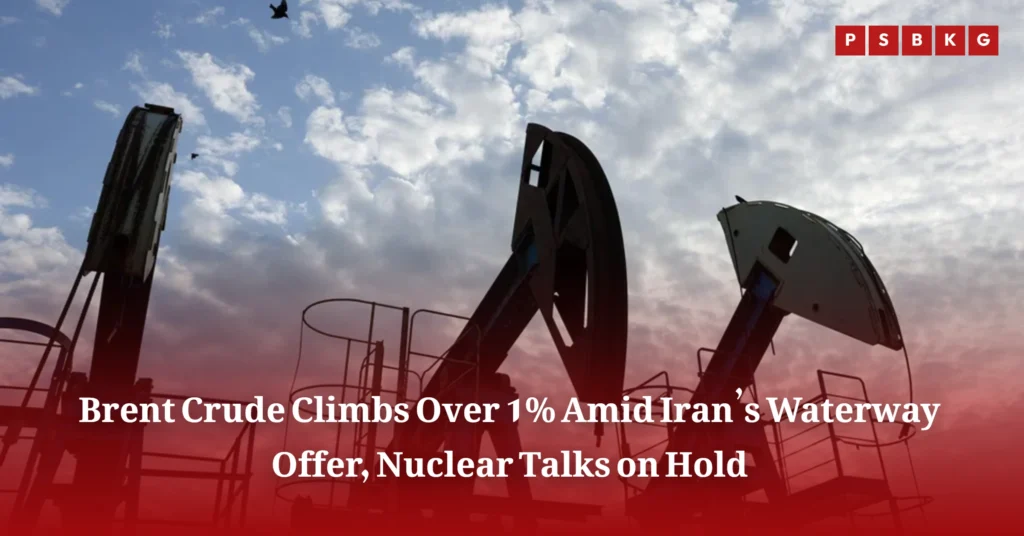
Brent Crude Prices Rise Despite Iran’s Diplomatic Overture
In a surprising turn of events, Brent crude prices rose more than 1% on Tuesday, despite Tehran’s latest diplomatic overture to the international community. Iran has offered to reopen the strategically vital Strait of Hormuz, a key maritime corridor for global oil shipments, in exchange for a deferral of nuclear negotiations with the Joint Comprehensive Plan of Action (JCPOA) partners.
Unexpected Market Reaction
The news came as a shock to market watchers, who had expected a decline in oil prices following Iran’s proposal. Instead, Brent futures ticked up, reflecting traders’ reassessment of geopolitical risk and the potential impact on supply disruptions should tensions flare again. Analysts note that the market’s reaction underscores a broader sentiment that, while diplomatic initiatives can reduce immediate flashpoints, the underlying structural uncertainties in the Middle East remain.
Oil Market Dynamics and Ongoing Uncertainty
PSBKG News reports that the oil market has been on a rollercoaster this week, with OPEC+ maintaining its production cuts and global demand gradually easing amid the ongoing pandemic. However, the renewed focus on Iran’s waterway offer has injected a layer of complexity into the market dynamics.
Strait of Hormuz Reopening and Future Implications
Industry experts argue that the reopening of the Strait of Hormuz would alleviate a significant choke point, but the deferral of nuclear talks could prolong the political stalemate, potentially leading to future disruptions. The oil market’s positive response to the waterway offer may also be a reflection of traders’ optimism that a diplomatic breakthrough could eventually ease sanctions and lift trade restrictions.
Long-Term Outlook and Geopolitical Stability
In conclusion, while Brent crude’s rise signals a temporary market confidence boost, the long-term trajectory will hinge on the evolution of Iran’s nuclear negotiations and the geopolitical stability of the region. PSBKG News will continue to monitor developments closely, providing timely updates on how these geopolitical shifts influence global energy markets.