
Diplomacy Takes Centre Stage
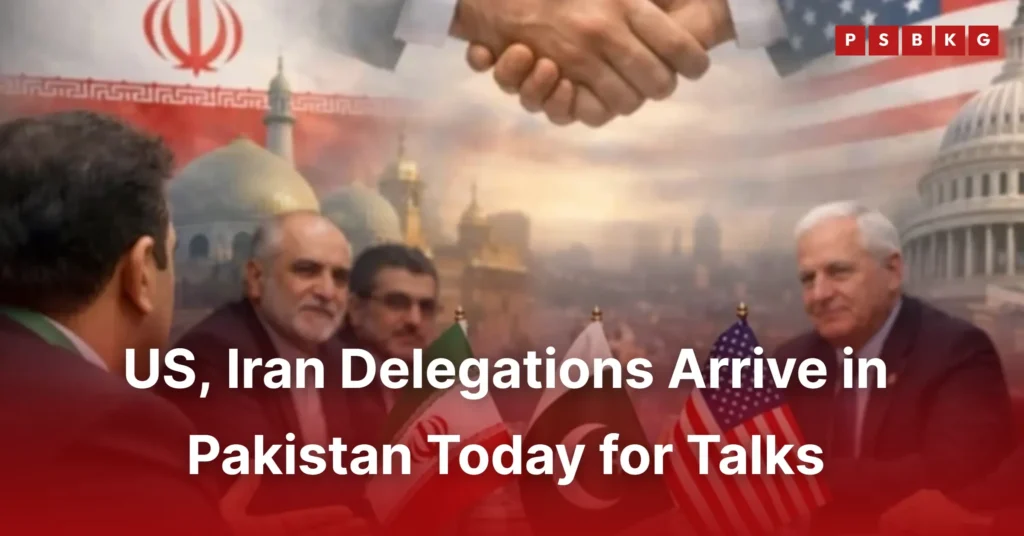
Latest News: Today marks a rare moment in regional diplomacy as delegations from the United States and Iran are set to arrive in Islamabad, Pakistan, for face‑to‑face talks. It’s the first time in weeks that both sides will meet directly after a fragile ceasefire was announced. Pakistan, playing a mediator role, is preparing to host this dialogue at a critical juncture. Leaders hope that this could help solidify a pause in hostilities.
A Historic Invitation
Prime Minister Shehbaz Sharif confirmed that both delegations will come to Pakistan today. This follows a ceasefire brokered by Islamabad that paused fighting between Washington and Tehran. It reflects Pakistan’s unusual role as a facilitator, given its complex relations with both countries. Officials say stability in the region depends on finding common ground.
Who Is Coming to Islamabad?
According to sources, the US team will include Vice President J.D. Vance along with senior envoys and advisers. On the Iranian side, strong figures such as Parliament Speaker Mohammad Bagher Ghalibaf and Foreign Minister Abbas Araghchi are expected to arrive. Security and diplomatic aides are already in Pakistan preparing for the meetings, which are scheduled for Saturday.
What This Talk Aims For For
These discussions are focused on reinforcing the recent ceasefire and exploring ways to expand it into a broader agreement. Both sides have stressed the importance of easing tensions, though their objectives differ. Islamabad hopes the talks will pave the way for a more durable peace one that could prevent future escalations and safeguard regional trade routes like the Strait of Hormuz.
A Ceasefire, Not a Peace Treaty
It’s important to note that today’s talks come after a two‑week ceasefire, not a full peace agreement. Both Washington and Tehran have shown willingness to sit down, but there are still deep disagreements, especially over sanctions, security guarantees, and terms of disengagement. The ceasefire is a first step, and today’s engagement may test how seriously both sides are committed to diplomacy.
Public and Political Reaction
Across Pakistan, reactions are mixed. Many welcome the diplomatic move as a positive use of Pakistan’s geopolitical standing. Others caution that peace negotiations are delicate and could easily falter if expectations on either side are not met. Regional observers are watching closely especially in neighboring countries and global capitals that feel the economic and strategic ripple effects.
Security and Expectations
Hosting delegations of this nature isn’t easy. Islamabad has ramped up security measures, not just for the talks themselves but for the larger implications of such high-stakes diplomacy. There’s hope; hopes this could mark a turning point yet analysts remind us that peace processes are long, with many twists and turns.
What Comes Next
If today’s arrivals lead to substantive dialogue on Saturday, the world could be watching Islamabad closely. Success here could ease global market jitters and open the door for further negotiations. If talks stall, however, tensions might resurface. For now, delegates are in Pakistan, and a fragile hope hangs in the air.