
War Hits Digital Wires
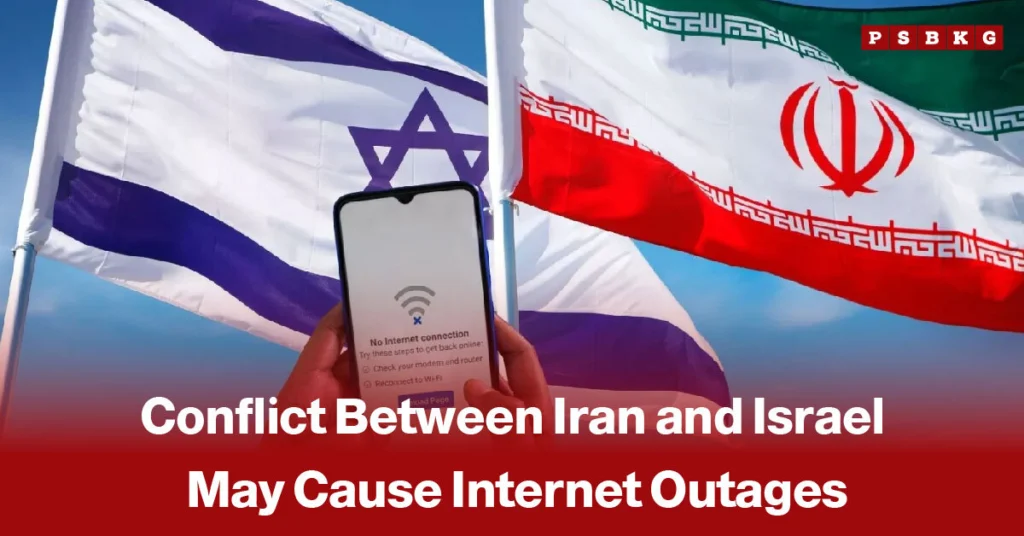
Latest News : The ongoing conflict involving Iran and Israel is not just shaping battlefield headlines. It’s now raising fears about internet infrastructure, too. Experts and tech observers are pointing out that rising tensions could spill over into digital networks. These concerns cover everything from local shutdowns to far‑reaching outages. It’s a reminder that modern wars can affect more than missiles and borders, they can affect your connection.
Iran’s Current Internet Strain
Iran itself has been experiencing serious internet disruptions in recent weeks. Some regions have had partial outages and slowdowns, and at times access outside the country has been heavily limited. Officials there have sometimes cut communications, either as a security measure or to control information flow internally. These interruptions show how fragile internet systems can become during conflict.
Undersea Cables at Risk
Beyond internal blackouts, experts worry about critical undersea internet cables. A number of major global data cables run through key waterways like the Red Sea and the Strait of Hormuz. If these were damaged, by accident or as a deliberate strategy in a wider conflict, it could interrupt global internet traffic for days or even weeks. Analysts say the scale of such disruption would depend on which cables are affected and how quickly repairs can be made.
The Global Ripple Effect
The internet isn’t just local; it’s a global network of interlinked systems. Many countries, especially in South Asia and Europe, get a large share of their connectivity through cables passing near the Middle East. Any serious hit to these links could slow down or cut communications for everything from banking apps to social media platforms. It’s not that the whole internet would vanish, but parts of it could feel much slower or spotty.
Cyberattacks Make It More Complex
The conflict has also seen a rise in cyber operations. Hackers with ties to various sides have targeted infrastructure and digital platforms in recent weeks. These cyberattacks can add to instability in networks and make outages more likely or prolonged. When war intersects with cyber tools, the lines between military targets and civilian systems get blurry.
Governments and Public Safety
Governments everywhere monitor internet stability closely because outages don’t just cut off entertainment. They disrupt emergency services, medical communication, financial systems, and everyday life. Even short interruptions can cause confusion and economic impact, especially for individuals who depend on online services daily. Officials are watching the situation carefully.
What Analysts Are Watching
Tech observers are looking at both physical and digital infrastructure. It’s not just about cables under the sea, but also satellite connections, national data centers, and routing networks that move traffic around the world. Any disruption in these key nodes can ripple outward. The tension is high because modern life runs on continuous connectivity.
What Can Go Wrong, and Not
It’s unlikely that the entire global internet would shut down, that’s an extremely resilient system. But targeted disruptions, slowdowns, or regional blackouts are real possibilities if conflicts spread or escalate near key infrastructure. Repairing undersea cables in a conflict zone is far more difficult than fixing them in peacetime. That’s why these warnings aren’t taken lightly.
Staying Connected in Uncertain Times
For ordinary users, the chances of total blackout are still low. But people in affected regions, or those who rely on routes through the Middle East, may notice disruptions or slow performance. In a world where digital life is nearly as essential as electricity, even brief outages can be jarring.