
Tehran Says No to US Plan
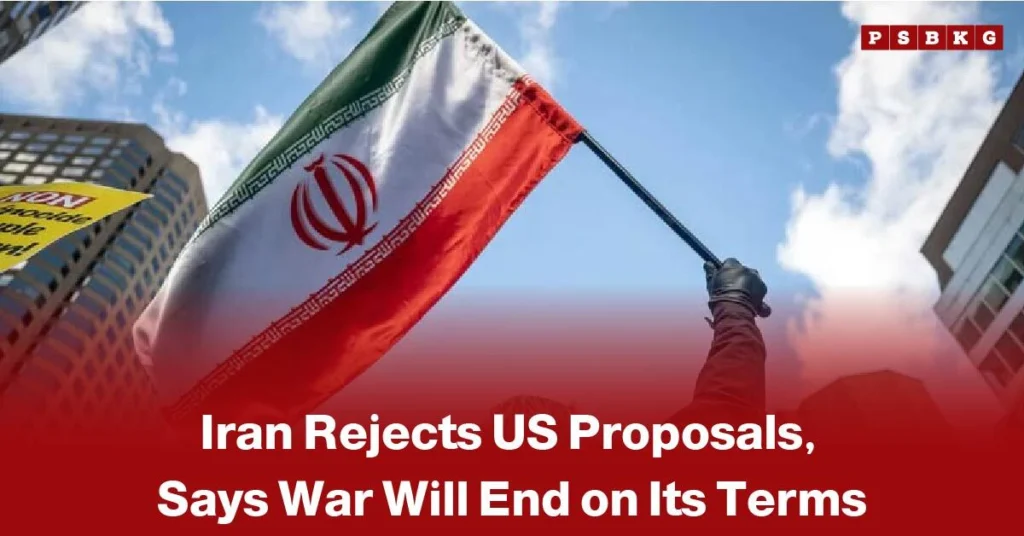
Latest News: Iran rejects US proposal to end the ongoing conflict in the Middle East. Tehran officials say they will not accept any ceasefire unless it meets their conditions. Senior political leaders delivered this message directly, and state media broadcast it. Their stance makes it clear that Iran wants control over how and when the war ends. Their language shows firmness few expected.
What the US Proposed
International reports say Washington sent a 15‑point peace plan to Tehran. Diplomats delivered it through intermediaries, with Pakistan and Turkey suggested as possible hosts for talks. The plan aimed to find a diplomatic path out of the escalating conflict. Tehran dismissed it, calling parts of the proposal extreme and unreasonable. Sources say Iran rejects US proposal because it seems disconnected from the realities on the ground.
Tehran’s Five Conditions
Rather than accept the US plan, Tehran set its own conditions for ending the war. One demand calls for a complete halt to what they term aggression and targeted attacks by opposing forces. Another requires solid guarantees that the conflict won’t resume. Iran also wants reparations for war damages, an end to fighting across all fronts, and international recognition of its authority over the Strait of Hormuz, a strategically critical waterway. These terms highlight why Iran rejects US proposal, making them difficult for Washington to accept.
Talk of Talks, But Not Yet
Even though Iran rejects US proposal, it isn’t closing the door on talks entirely. Iranian leaders emphasize that any negotiations must respect their sovereignty and security interests. At the same time, top officials say they will not engage in direct talks with the United States unless those conditions are met. This creates a narrow but possible diplomatic opening.
Messaging and Public Mood
The tone from Tehran is firm, almost defiant. Through government broadcasts and statements, officials show strength and resolve. The message emphasizes that Iran rejects US proposal and will decide its own fate, not let any foreign power dictate it. This stance resonates domestically, where sovereignty and independence carry weight, but it complicates efforts to shape diplomatic solutions internationally.
The US Response
Washington has pushed back, saying Iran must accept certain realities, including stepping back from the conflict. Officials describe Iran rejects US proposal as a sign that Tehran is being unreasonable. At the same time, US spokespeople say discussions continue through various channels, even if offline. These mixed signals show a complicated negotiation atmosphere. Both sides are talking, but publicly they emphasize opposing positions.
Wider Diplomatic Efforts
Beyond Washington and Tehran, other countries are trying to play a role. Middle powers in the region and beyond act as potential mediators. Pakistan and Turkey, for example, could host talks if both sides agree. Still, these efforts haven’t led to a breakthrough, and Iran rejects US proposal continues to shape the tense situation. The region and the world remains on edge.
What It Means for the War
The rejection underscores how complicated this war has become. Neither side is willing to cede ground easily, and both seem prepared to hold out for terms they consider acceptable. The conditions Iran has set are high and politically sensitive, especially issues like control of the Strait of Hormuz. That waterway handles a large share of the world’s oil shipments, so international interests run deep there. Whether diplomacy can bridge such opposing stances is still far from certain.