

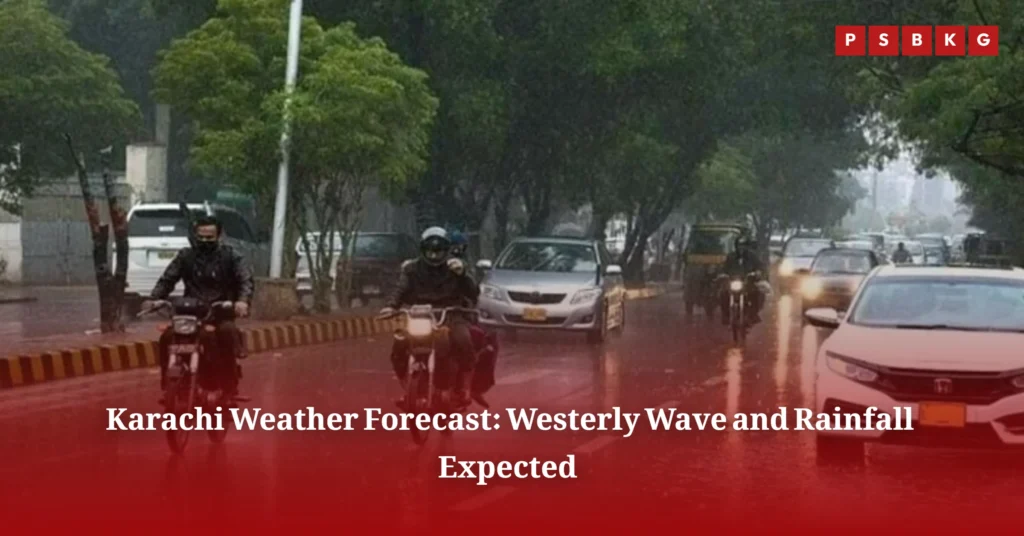
Karachi to Receive Sporadic Rain as Westerly Wave Arrives
According to the Pakistan Meteorological Department (PMD), Karachi will experience the arrival of a westerly wave starting Tuesday evening, bringing a mix of sunshine and showers into the city. PSBKG News reports that the storm system is expected to bring sporadic rainfall tomorrow (Wednesday) with brief bursts that could last from 15 to 30 minutes. Residents should keep an eye on local weather bulletins for real‑time updates.
Westerly Wave Arrival
The westerly wave, a common feature in the region during the monsoon season, will bring moist air from the Arabian Sea. As the system moves over Karachi, it will lift the surface air, creating cloud cover and intermittent showers. The wave is predicted to bring a steady wind speed of 15–20 km/h, which will help disperse heat but also increase the chance of localized flooding.
Rainfall Outlook
PSBKG News reports that Karachi will see light to moderate rainfall, with some parts of the city receiving up to 5 mm. Although the showers won’t be heavy, their frequent bursts could briefly disrupt traffic, especially on the main highways and Jinnah International Airport road.
Temperature and Humidity
The city will remain partly cloudy to cloudy today, with temperatures climbing to a maximum of 33°C. Humidity levels could reach 88%, creating a muggy atmosphere that makes the heat feel even more oppressive. The combination of high humidity and warm temperatures underscores the importance of staying hydrated and avoiding outdoor activities during peak noon hours.
Impact on Daily Life
Commuters may experience delays as the intermittent showers can cause sudden road slickness. Businesses in commercial districts should protect outdoor signage and displays from moisture. School authorities should monitor the weather closely and prepare for possible short closures.
What Residents Should Do
Stay informed by checking PSBKG News alerts and the official PMD website. Keep an umbrella or raincoat handy, avoid driving through puddles, and keep valuables secured in waterproof bags. If you live in low‑lying areas, consider checking drainage systems and have a plan in case of unexpected flooding.