

Stylized logo showcasing "Breaking News" in bold red and black text, emphasizing urgency and importance of current events. latest news
We Will Achieve Victory in Iran Very Soon, Claims Donald Trump Pakistan Railways to Launch New Trains on 9 Punjab Routes

High Cholesterol: A Silent Risk Preventable with Timely Care

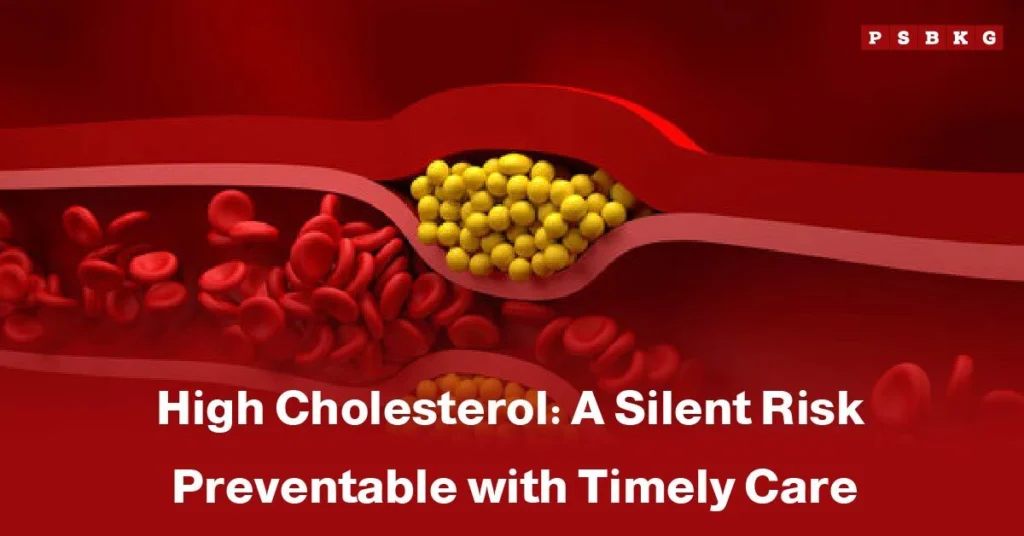
Illustration of blood vessels with red blood cells and yellow cholesterol deposits, highlighting high cholesterol as a silent risk.

Latest News: High cholesterol is often called a high cholesterol silent risk because many people don’t realize they have it until complications appear. It usually shows no obvious symptoms, yet it can quietly damage arteries, the heart, and overall circulation. Doctors warn that without timely attention, high cholesterol can lead to serious problems like heart attacks, strokes, and peripheral artery disease. The good news is that most of these risks are preventable with early detection, lifestyle changes, and medical guidance.

Understanding Cholesterol and Its Types

Cholesterol is a fat-like substance naturally produced by the liver, essential for making hormones, vitamin D, and cell membranes. However, high levels of LDL, or “bad” cholesterol, can accumulate in the arteries and restrict blood flow, making it a high cholesterol silent risk. Conversely, HDL, or “good” cholesterol, helps remove excess LDL from the bloodstream. Maintaining a healthy balance between LDL and HDL is crucial for reducing cardiovascular risks.

Why High Cholesterol Often Goes Unnoticed

One of the biggest dangers of high cholesterol is that it rarely causes symptoms, making it a high cholesterol silent risk. Many people may feel fine, eat normally, and remain unaware of the growing plaque in their arteries. Doctors call this a silent condition because it quietly raises the risk of heart attacks and strokes. Routine blood tests are the only reliable way to detect abnormal cholesterol levels.

Risk Factors You Should Know

Several factors contribute to high cholesterol, making it a high cholesterol silent risk, including an unhealthy diet, sedentary lifestyle, obesity, smoking, and genetics. Age and gender also play a role: men often develop high cholesterol earlier, while women’s risk rises after menopause. Family history is especially important if parents have experienced heart disease or high cholesterol, individuals should monitor their levels more closely.

Lifestyle Changes Can Make a Difference

Lifestyle interventions are often the first line of defense against the high cholesterol silent risk. Reducing intake of saturated and trans fats, eating more fiber-rich foods, and maintaining a healthy weight can all help. Regular exercise, such as brisk walking, cycling, or swimming, boosts HDL levels and lowers LDL. Quitting smoking and limiting alcohol further reduces cardiovascular risks.

When Medications Are Necessary

For some, lifestyle changes alone may not be enough to address the high cholesterol silent risk. Doctors may prescribe statins or other cholesterol-lowering medications to help control levels. Medication is usually combined with lifestyle modifications for the best results. Regular check-ups ensure that treatment remains effective and can be adjusted as needed.

Monitoring and Early Detection

Regular blood tests are crucial for detecting the high cholesterol silent risk early. Adults are generally advised to check cholesterol every 4–6 years, but those with risk factors should test more frequently. Early detection allows timely intervention, helping prevent serious complications before they develop.

The Heart-Health Connection

High cholesterol doesn’t just affect blood vessels; it is a high cholesterol silent risk that directly impacts heart health. Plaque buildup can narrow arteries, raise blood pressure, and put extra strain on the heart. Over time, this can lead to heart attacks or strokes, which can be fatal if not treated promptly. Maintaining healthy cholesterol levels is essential for long-term cardiovascular health.

Preventive Care Saves Lives

High cholesterol may be silent, but it’s not invincible. Awareness, routine screening, healthy lifestyle choices, and timely medical care are powerful tools to prevent serious complications. Individuals who take control early can significantly reduce their risks, live longer, and maintain a better quality of life. Remember, prevention is always better than cure.


Share With Others

Popular Posts

Advertisement

Black Friday

Social Share

Facebook
Twitter
LinkedIn
Pinterest
WhatsApp
A smiling woman with long hair, wearing a pink cap and purple shirt, promotes a 50% off discount on new fashion styles. latest news

Related Articles: