
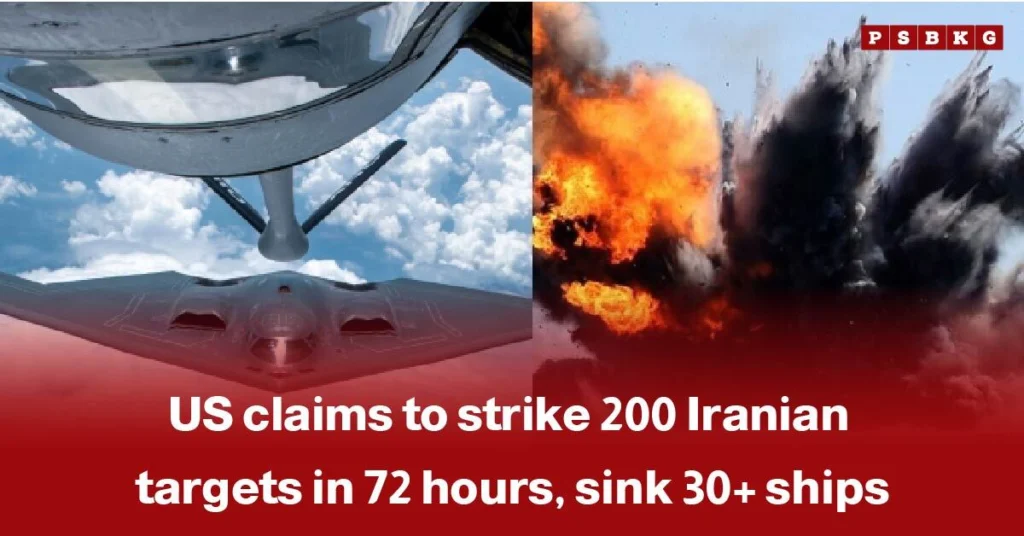
The U.S. military says it has carried out extensive strikes on Iranian territory and naval forces over the past few days, part of an escalating campaign known as Operation Epic Fury. According to officials, American bombers and other forces have struck close to 200 targets inside Iran in just 72 hours. They also say more than 30 Iranian naval vessels have been sunk or destroyed in recent operations. These claims come amid the wider conflict between U.S./Israeli forces and Tehran that has gripped global attention.
Nearly 200 Targets Hit Deep Inside Iran
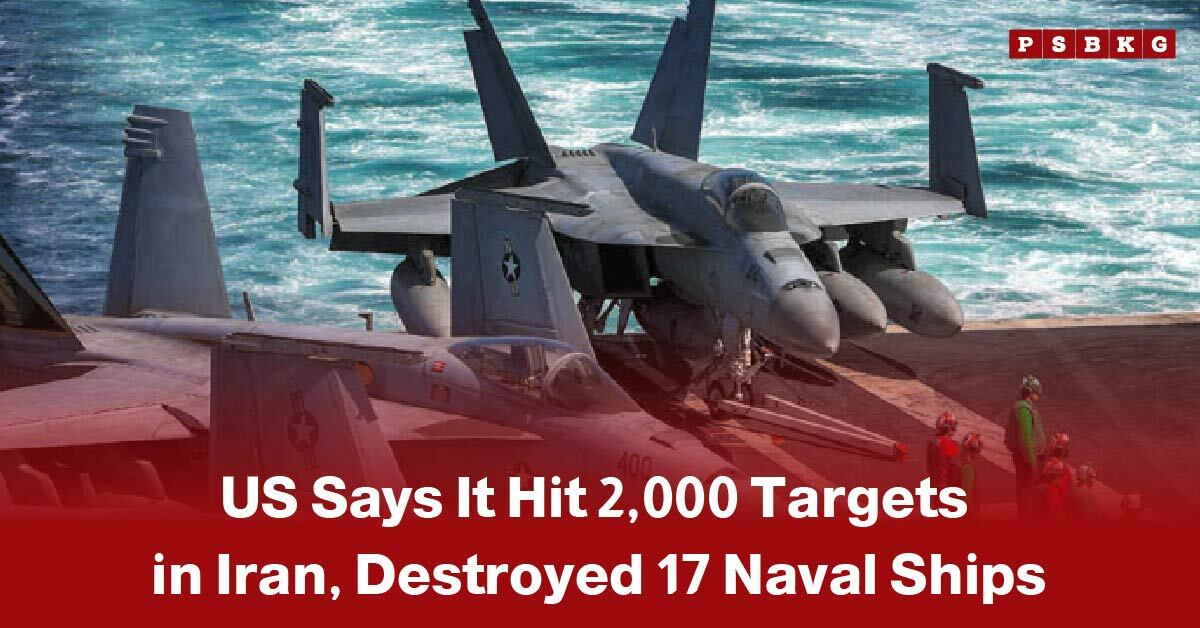
Top commanders have described a rapid pace of U.S. strikes deep into Iranian territory. In multiple press briefings, CENTCOM Commander Admiral Brad Cooper said bomber aircraft, including B‑2 Spirits, hit a range of military infrastructure such as missile launchers and air defence sites. The strikes, they say, are not just tactical but also aimed at degrading Iran’s longer‑term ability to wage war. Officials reported that ballistic missile and drone attacks coming from Iran have dropped sharply since the campaign began.
Naval Forces Targeted and Destroyed
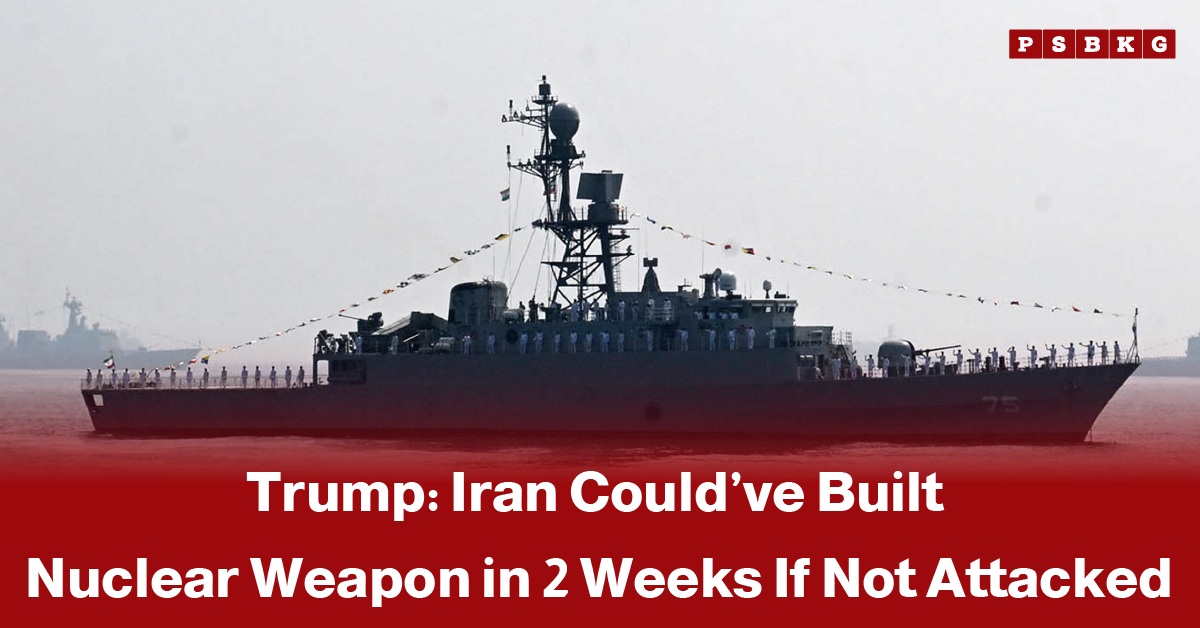
U.S. commanders have also highlighted success against Iranian naval forces. Recent announcements claim that over 30 Iranian ships have been sunk or destroyed, including smaller warships and a large drone‑equipped vessel described as the size of a World War II carrier. Some reports also speak of strikes against submarines and corvettes, although Tehran has not confirmed these details. The U.S. campaign says this is part of an effort to neutralise Iran’s ability to challenge allied naval power in the Gulf and Indian Ocean.
Operation Epic Fury: Strategic Aims
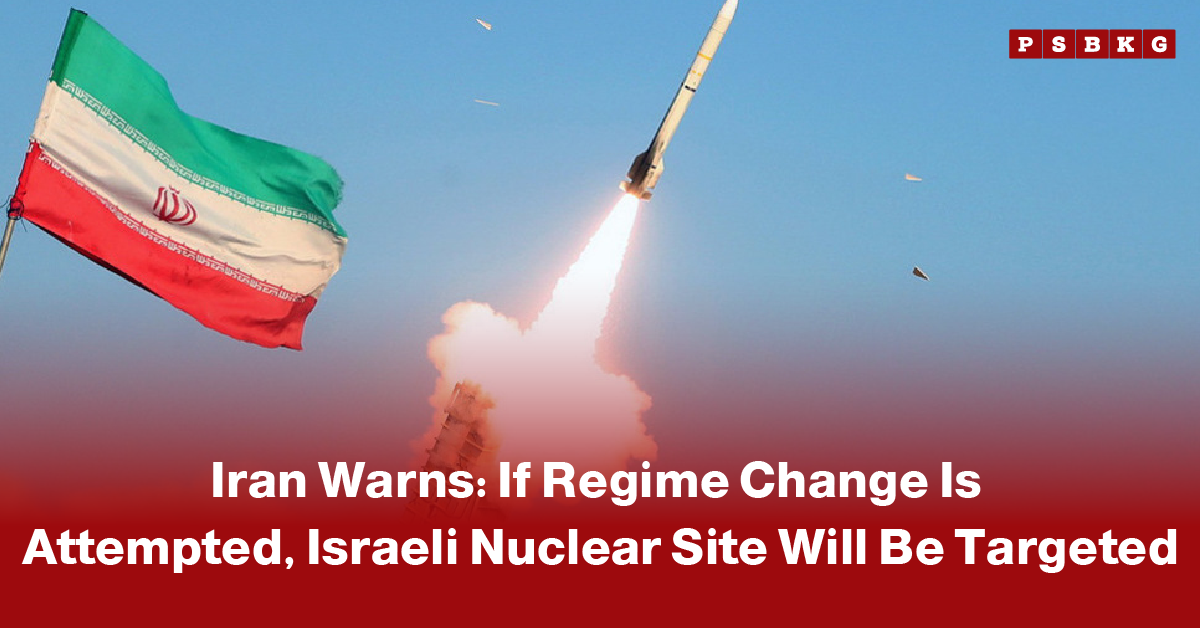
Officials describe Operation Epic Fury as targeting key aspects of Iran’s military capability — its missiles, drones, and navy. The strikes are intended to limit Iran’s ability to project power both internally and beyond its borders. The strategy, they say, includes striking deeply buried infrastructure as well as more visible targets closer to ports and bases. The U.S. maintains that degrading these capabilities will reduce threats to its forces and regional partners.
Sharply Reduced Iranian Retaliatory Strikes
According to the same U.S. briefings, Iranian retaliatory missile and drone attacks have declined since the initial phase of the operation. Officials claim a significant drop — as much as 90 % for missile strikes and more than 80 % for drone attacks — since hostilities began. Whether these figures reflect a true reduction or temporary lull is debated among analysts.
Regional Fallout and Reactions
The escalating conflict has drawn reactions from around the world. Some governments have urged restraint and called for a return to diplomacy, warning that continued violence could draw in neighbouring countries. Allied nations appear to be divided on supporting U.S. actions, with some focusing on defence cooperation and others expressing concern about broader war escalation. Media coverage has highlighted both strategic concerns and humanitarian impacts in the region.
Civilian Impact and Global Concerns
While military leaders focus on targets and tactical success, human rights and humanitarian organisations are sounding alarms about civilian harm. Reports of damage in populated areas and disruption to daily life have raised concerns. Global markets have reacted too, with spikes in oil and shipping insurance costs tied to instability in the Gulf. Observers warn that prolonged conflict could strain economies far from the region.
Debate Over Verification
While the U.S. military is making bold claims, independent verification is limited. Some analysts caution that the number of ships sunk or targets struck may be counted differently depending on military definitions. Satellite imagery, third‑party reporting, and independent monitoring groups often lag behind official announcements, leaving parts of the narrative unverified in real time.
What’s Ahead
With no sign of a complete ceasefire yet, both tactical and diplomatic responses are likely to continue. Military planners are watching for shifts in strategy, while diplomats seek avenues to ease tensions. Many say that if the conflict deepens, it could have long‑lasting implications for regional security, global energy supplies, and international relations. For now, the focus remains on the next moves by both Tehran and Washington.