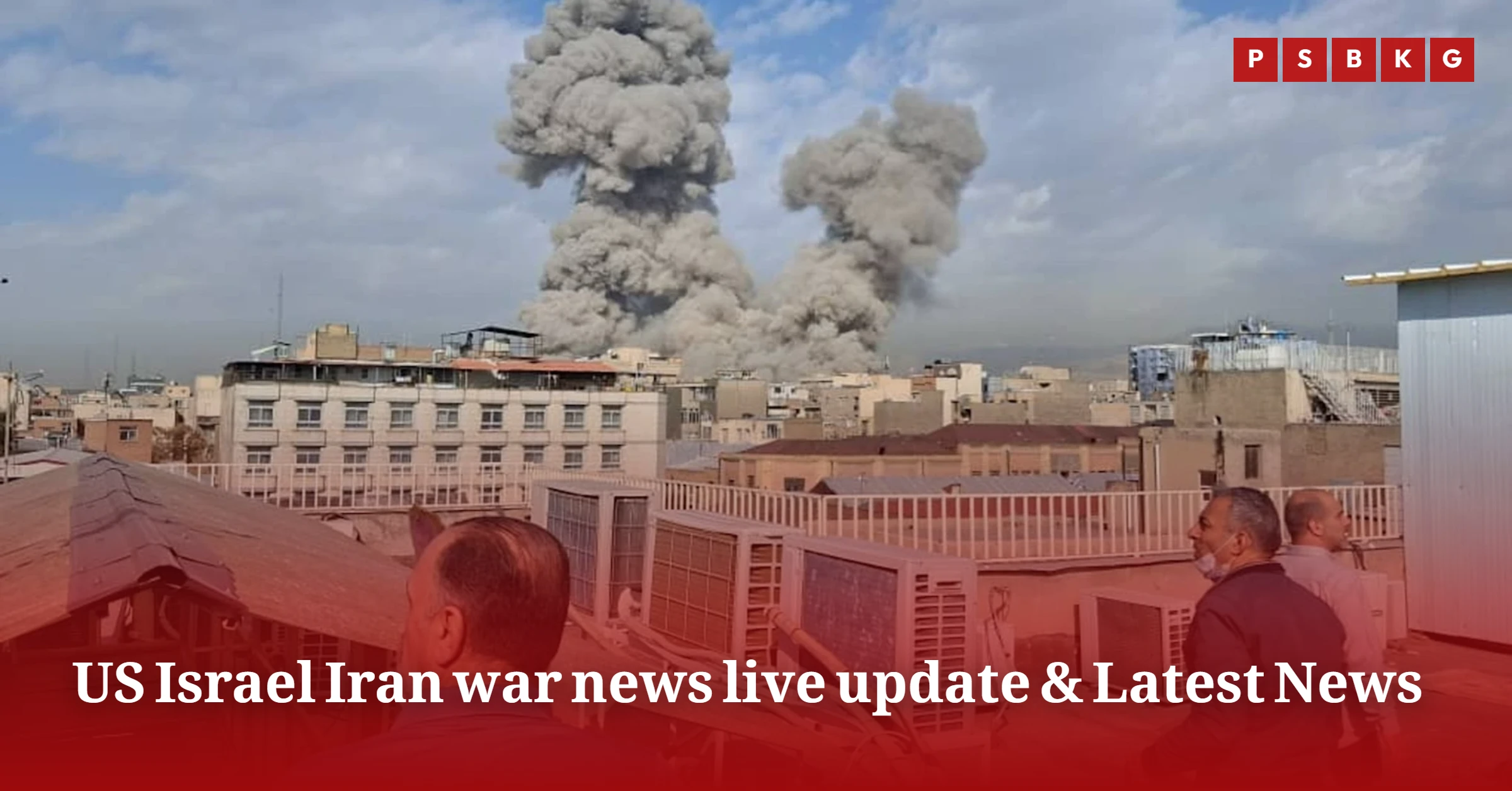

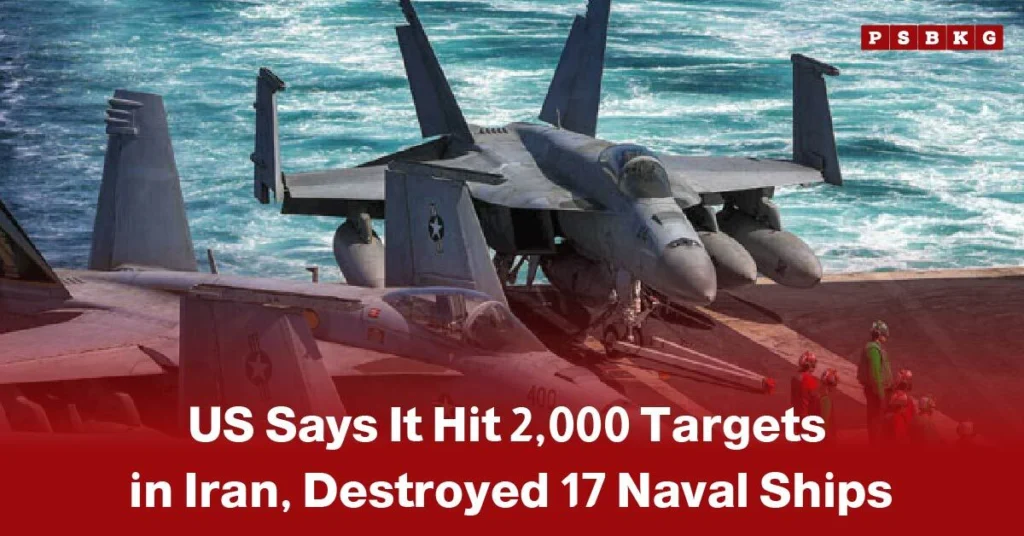
US Says It Hit 2,000 Targets in Iran
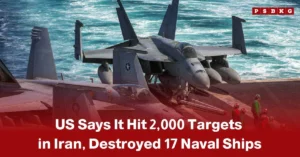
The United States military says it has struck nearly 2,000 targets inside Iran since the recent escalation in hostilities began, including missile infrastructure, air defence systems, and other military positions. Senior commanders also say that 17 Iranian naval vessels — including at least one submarine — have been destroyed, effectively sinking Iran’s navy in Gulf waters. The announcement comes amid one of the most intense regional confrontations in years, with widespread retaliation and global concern.
Massive Air and Sea Strikes Underway
According to U.S. Central Command chief Admiral Brad Cooper, American forces have carried out a sweeping range of attacks across Iranian territory, from aerial bombardments to precision naval strikes. He described the campaign as unprecedented, surpassing even the scale of the “shock and awe” campaign used in Iraq decades ago. The strikes have targeted ballistic missiles, launchers, air defences, and naval assets.
Iranian Navy Reportedly Wiped Out
In what U.S. officials describe as a major blow to Tehran’s defence capabilities, all 17 reported Iranian naval ships — including a submarine previously considered operational — have been sunk or disabled. CENTCOM says there are “no Iranian warships underway” in the Arabian Gulf, Strait of Hormuz, or Gulf of Oman as a result of these efforts. Such a development marks a dramatic shift in maritime balance and underscores the intensity of the strikes.
What “Targets” Mean in This Campaign
The U.S. military’s broad definition of “targets” includes fixed military infrastructure, mobile missile launchers, radar and air defence sites, supply depots, and command-and-control nodes. Officials also say ballistic missile launchers and drones have been destroyed in large numbers. While many targets sit deep inside Iran, others are closer to border zones and key facilities that would threaten coalition forces or shipping lanes.
Tensions Fuel Regional Escalation
The strikes have not gone unanswered. Iran and allied groups are reported striking back with ballistic missiles and drone attacks in Gulf states and against U.S. positions. Recent reports describe hundreds of missile and drone launches in retaliation, adding to the volatility of a wider Middle East conflict. The cycle of strikes and counter-strikes has raised alarm in capitals around the world.
Civilian Impact and Casualties
Beyond military objectives, these operations have reportedly resulted in significant civilian casualties and infrastructure damage. Various humanitarian reports suggest heavy shelling and bombardment have hit populated areas inside Iran. The broader humanitarian toll — including displaced individuals and families caught in the crossfire — remains a major concern for aid organisations and international observers.
Calls for De-escalation Grow
As global reactions mount, many nations and international organisations are urging restraint and diplomatic engagement. Leaders have warned that continued escalation could spiral into a broader war, with devastating consequences for regional stability, energy markets, and global security. Some foreign governments are pushing for back-channel talks to reduce tensions before further irreversible damage is done.
Strategic and Shipping Concerns
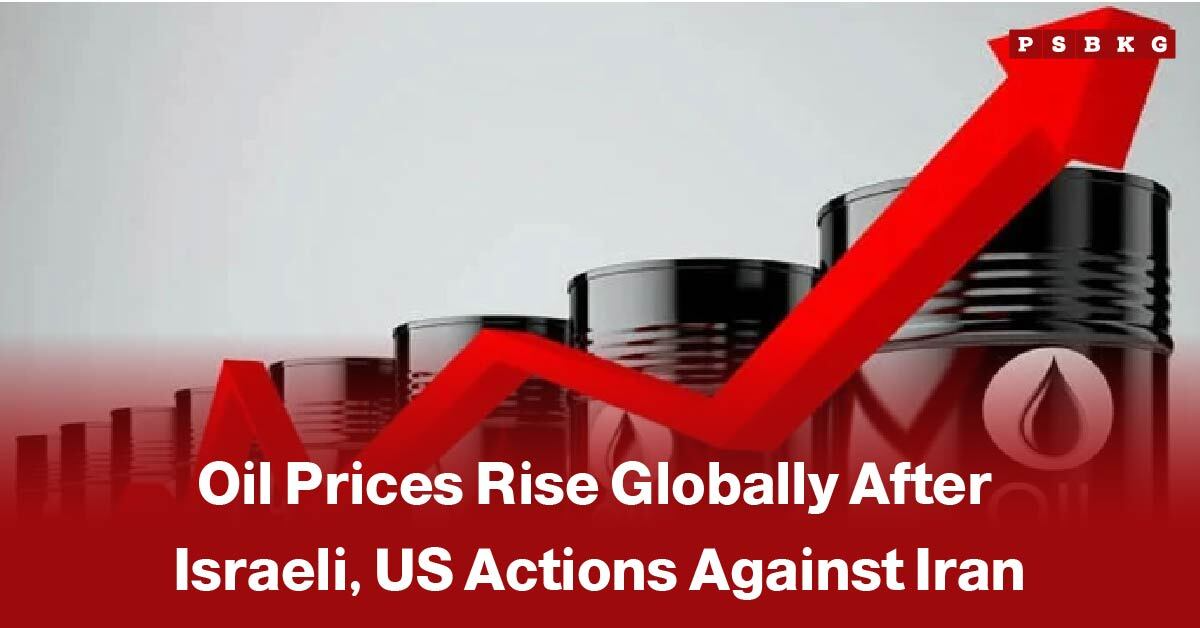
One of the biggest fears among analysts is the risk to shipping and energy flows through the Strait of Hormuz, a vital artery for global oil transport. With naval forces on edge and maritime routes threatened, several states have called for protective convoys and insurance guarantees for commercial vessels. The economic ripple effects of continued military action are already visible in global markets.
What Happens Next
With both sides showing no signs of stopping, the near-term future looks uncertain. U.S. officials claim the strikes aim to degrade Iran’s ability to threaten its allies and interests, while Tehran and its partners continue to respond forcefully. The coming days could see diplomatic pressure intensify, or further military actions widen the conflict. For now, the international community watches closely — and nervously — as the situation unfolds.