

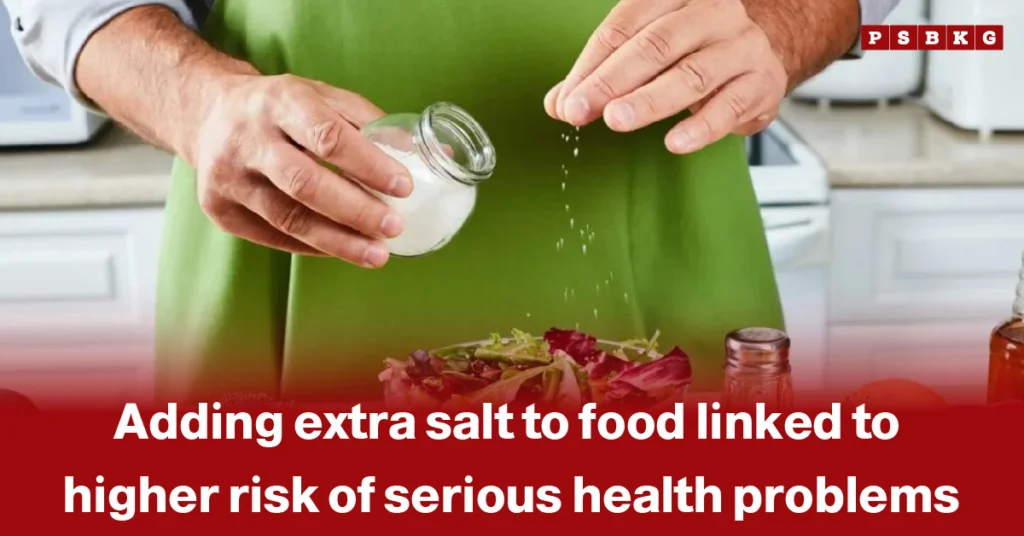
Extra Salt in Food Linked to Health Risks
Latest News : Health experts are increasingly warning that adding extra salt to meals may not be as harmless as many people think. Recent studies highlight the extra salt health risks, linking excessive salt intake to higher chances of hypertension, heart disease, and other serious conditions. While salt is essential for body functions, overconsumption can strain the cardiovascular system. Doctors advise that most people already get sufficient sodium from processed and restaurant foods, so extra salt at the table only compounds the problem. Understanding the extra salt health risks can help people make better dietary choices.
Why Salt Matters
Sodium is vital for nerve function, muscle contraction, and fluid balance. But consuming more than recommended amounts can lead to serious issues. Health authorities recommend limiting daily sodium intake to around 2,300 milligrams. Many people exceed this without realizing it because processed foods and ready meals contain hidden salt. Adding extra salt at home is an easy habit to overlook. Experts emphasize moderation, not complete elimination. Awareness is the first step toward healthier eating habits.
Link to High Blood Pressure
Excessive salt intake has a direct impact on blood pressure, highlighting the extra salt health risks. High sodium levels cause the body to retain water, increasing pressure in blood vessels. Over time, this can lead to chronic hypertension. Studies show that people who regularly add extra salt are more likely to develop elevated blood pressure. Doctors say this is a leading risk factor for strokes and heart attacks. Reducing table salt is a simple but effective preventive measure, and small changes in daily habits can have long-term benefits.
Other Health Concerns
Beyond hypertension, high salt intake is associated with kidney disease, osteoporosis, and even stomach cancer. The body’s organs are strained when processing excess sodium. Researchers suggest that salt reduction can lower the risk of heart failure and kidney complications. Nutritionists point out that flavoring foods with herbs and spices can reduce the need for added salt. Public health campaigns increasingly focus on educating citizens about hidden sodium. Awareness can prevent lifestyle-related diseases.
Salt Consumption Habits
Many people develop a taste for salty food early in life. Children who grow up consuming high-salt diets often continue the habit into adulthood. Restaurant meals and packaged snacks contribute heavily to overall intake. Experts advise checking nutrition labels carefully and avoiding adding salt before tasting. Gradually reducing salt can help retrain the palate. Simple behavioral changes can significantly cut daily sodium consumption.
Recommendations from Experts
Health organizations recommend focusing on fresh, whole foods. Fruits, vegetables, lean proteins, and unprocessed grains naturally contain less sodium. Using herbs, lemon, or spices can enhance flavor without adding salt. Medical professionals also encourage monitoring blood pressure regularly. Education and awareness are essential, especially for populations at higher risk. Simple steps like reducing table salt can improve heart health and longevity.
Public Awareness Efforts
Governments and NGOs are increasingly promoting salt reduction campaigns. Labels on packaged foods now often include sodium content. Media coverage highlights the risks of overconsumption. Some countries have introduced guidelines for restaurants to limit salt in meals. Public engagement is crucial for changing dietary behaviors. Awareness initiatives aim to reduce preventable diseases linked to high sodium.
Small Lifestyle Changes Matter
Cutting back on added salt can reduce extra salt health risks without making meals bland. Experimenting with alternative seasonings helps maintain taste, and gradual reduction allows the palate to adjust over time. Combining salt reduction with other healthy habits, such as regular exercise, supports cardiovascular health. Experts suggest mindful eating as a long-term strategy, emphasizing that small, consistent efforts can make a significant difference.
Looking Ahead
The link between excess salt and serious health risks is now well-documented. Public education, healthier food options, and personal awareness can all contribute to prevention. Individuals are encouraged to rethink their table habits and cooking practices. Healthcare providers emphasize moderation, not complete elimination. With awareness and small changes, people can enjoy flavorful meals while protecting their health.