
Minister Calls for HIV Screening
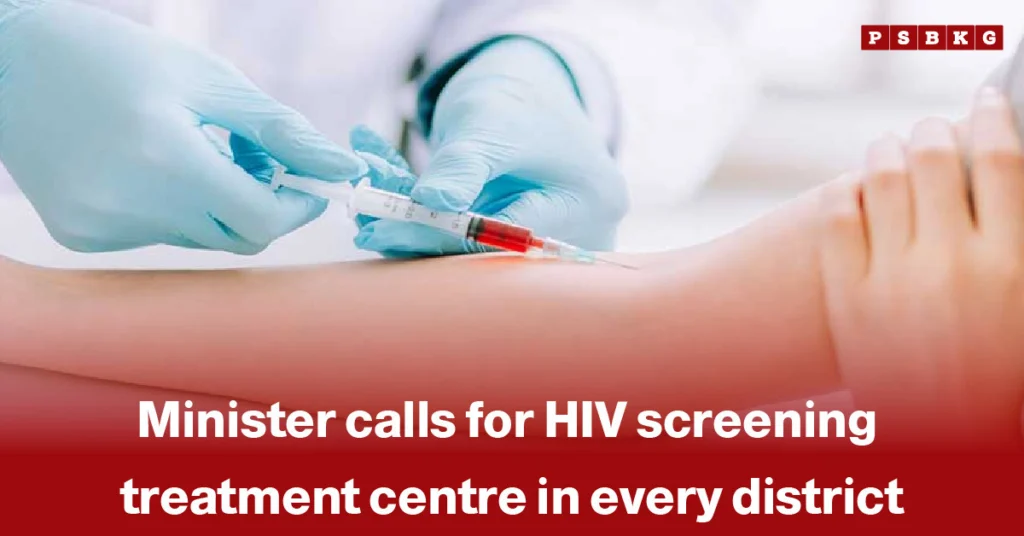
Latest News: The health minister Health Minister of Pakistan has urged the government to establish HIV screening and treatment centres in every district of Pakistan. The statement comes amid rising concern over undiagnosed HIV cases in rural and urban areas. Officials highlighted that early detection and treatment are essential to prevent the spread of the virus. The minister emphasized that accessible healthcare facilities are key to tackling the disease. Experts say that proper screening and timely treatment can drastically reduce new infections. The announcement has been welcomed by public health advocates. It signals a renewed focus on proactive healthcare measures nationwide.
Importance of HIV Screening
The minister stressed that regular HIV screening is crucial for public health. Many cases go undetected because people do not have access to testing facilities. Early diagnosis allows for prompt treatment, improving quality of life and reducing transmission. Experts say awareness campaigns must accompany screening programs. Rural communities are particularly vulnerable due to limited healthcare infrastructure. Authorities hope that increased access will encourage more people to get tested. Experts consider screening, combined with education, the first step in controlling the epidemic.
Treatment Centres in Every District
The proposal calls for dedicated HIV treatment centres across the country. Each district will have facilities for testing, counseling, and treatment. The minister emphasized that easy access to medical care is vital. Experts note that district-level centres can prevent patients from traveling long distances for treatment. Staff will be trained to handle HIV-related cases sensitively and professionally. The aim is to integrate these centres into existing public health networks. Authorities hope the initiative will save lives and reduce stigma.
Reducing Stigma and Promoting Awareness
The health minister also highlighted the need to reduce stigma surrounding HIV. Many people avoid testing due to fear of discrimination. Public awareness campaigns will be crucial in changing perceptions. Experts suggest engaging communities and religious leaders to promote understanding. Educational programs in schools and workplaces are also recommended. Reducing stigma encourages more people to seek help. Authorities aim to make HIV a manageable health issue rather than a taboo topic.
Early Detection Saves Lives
Officials emphasize that early detection can dramatically improve patient outcomes. Patients diagnosed early can access antiretroviral therapy to live longer, healthier lives. Experts say early intervention also reduces the risk of transmitting HIV to others. Screening campaigns will target high-risk populations first. The initiative aims to identify cases before serious complications develop. Authorities hope timely treatment will reduce mortality rates. Public cooperation will be essential for the program’s success.
Collaboration with NGOs and Health Experts
The minister encouraged collaboration with non-governmental organizations and healthcare experts. NGOs have experience in community outreach and patient support. Their involvement can improve accessibility and awareness. Health experts will guide treatment protocols and training programs. The partnership is expected to strengthen the overall response to HIV. Authorities said coordinated efforts are key to achieving measurable results. Experts consider public-private collaboration a model for addressing other health challenges as well.
Funding and Resource Allocation
The government plans to allocate funds for infrastructure, staff, and medical supplies. Officials stressed that adequate resources are necessary for sustainable operations. Health departments are expected to monitor implementation closely. Funding will also support awareness campaigns and mobile testing units. Experts argue that consistent investment ensures long-term impact. Authorities hope proper planning will prevent service gaps. The initiative is part of a broader strategy to improve healthcare nationwide.
Public Response and Expectations
The announcement has received attention from media and civil society. Many health advocates praised the minister’s call for accessible screening and treatment. Citizens expressed hope that the initiative will reach rural areas quickly. Some experts caution that training and supervision are critical for effectiveness. Overall, public sentiment favors proactive healthcare measures. Experts urge authorities to move swiftly from announcement to action. The program will strengthen Pakistan’s fight against HIV.
Looking Ahead
The government will roll out district-level HIV centres in phases and will continuously monitor and evaluate progress to meet targets. The government plans to expand outreach programs to educate the population. Experts say combining treatment, awareness, and early screening will create a lasting impact. The initiative demonstrates a commitment to equitable healthcare access. Citizens should participate in awareness campaigns and get tested for HIV. The government expects this step to reduce infections and save lives across the country.